Top-rated plaster repair specialists.

Get matched with top plaster repair specialists in Seneca, MI

Enter your zip and get matched with up to 5 pros

Need a pro for your plaster repair project in Seneca, MI?

Select your specific project to find the pro for you.

Find Plaster repair specialists in Seneca

Avatar for RED CONSTRUCTIONN
RED CONSTRUCTIONN
New to Angi
Plaster - InstallPlaster - Repair

Serving Seneca, MI and surrounding areas

Approved

Emergency services offered

Warranties offered

Small jobs welcome

Hello im Christian. It will be our pleasure to help bring your ideas to life. 🏠✨\nI specialize in high-quality construction and remodeling services, including flooring, stairs, carpentry, and complete home renovations.\n📍 LIMA OH 🇺🇲\nWE DO:\n🪵 Hardwood Flooring Installation\n🔲 Vinyl Flooring Installation\n🪜 Stair Installation\n✨️ Stair Renovation\n🪟 Windows \n🚪 Doors \n🪚 Carpentry\n🛠 And more\n\nPlease tell us a little about your project: 📍 Job location\n📸 Photos of the area (if available)\n📏 Approximate measurements\n🛠️ Type of work you would like done\nWe provide professional service, fair pricing, and craftsmanship with attention to every detail. We are ready to help you create the space you envision! 😊\n\n📲🫡\n+1 (769) 281-6318

Done up
New to Angi
Plaster - InstallPlaster - Install - For BusinessPlaster - Repair+1 more

Serving Seneca, MI and surrounding areas

Approved

Free estimates

Emergency services offered

Warranties offered

I’m a one-stop shop for all your maintenance needs, with a knack for tech and a wide range of skills in various trades. Nothing too big to tackle and nothing too simple I won’t accept. Not to mention I can promise to beat larger companies and there estimates every single time\n\n

1 neighbors recently requested a quote
Quality Drywall
4.9(
9
)
Plaster - Install - For Business

Serving Seneca, MI and surrounding areas

In business since 2009

Free estimates

"This is the second time I contracted with Quality Drywall. My first job was smaller to get a sense for the workmanship. This was a significant project installing new drywall, repairing other drywall, taping and muding. As with my first experience, Larry and his team exceeded my expectations. They did quality work at a fair price, but more importantly I could trust them in my home. I would recommend Quality Drywall to anyone looking for a great job at a fair price. When is the last time you had the owner of the business stop back after being paid on a job just to clean up. These guys are simply the best."
Response time40 mins
Recommended by100%of homeowners
Showing 1-10 of 38
Plaster Repair questions, answered by experts

It’s not a good idea to plaster over broken plaster (unless by broken you’re referring to cracked, in which case that’s perfectly fine). However, broken plaster can be a sign of a larger underlying issue like foundation damage or severe damage to the lath holding up the plaster, so it’s worth investigating before you simply plaster on top of the damage.

Both plaster and drywall are durable wall finishes, but they differ significantly in installation, cost, performance, and aesthetics.

Installation & Cost: Drywall installation is faster and more affordable, typically costing $1.50 to $3 per square foot. It uses premade sheets, making it a more accessible DIY project. Plastering is a labor-intensive craft that requires specialized skills, pushing costs to $2 to $10 per square foot. It involves applying a wet paste over a lath framework.

Durability & Performance: Plaster is generally more durable, longer-lasting, and provides superior soundproofing. It is also a better insulator, which can help reduce energy costs. Drywall is easier to remove for future renovations.

Aesthetics: Drywall provides a smooth, uniform surface ready for paint or texture. Plaster offers a high-end, naturally textured look that can hide imperfections and is often preferred for achieving a classic or historic aesthetic.

Which is better? The choice depends on your priorities. Drywall is ideal for those prioritizing a lower upfront cost, faster installation, and DIY potential. Plaster is the better option for a higher-end project where durability, soundproofing, and a unique, premium finish are more important than the initial cost.

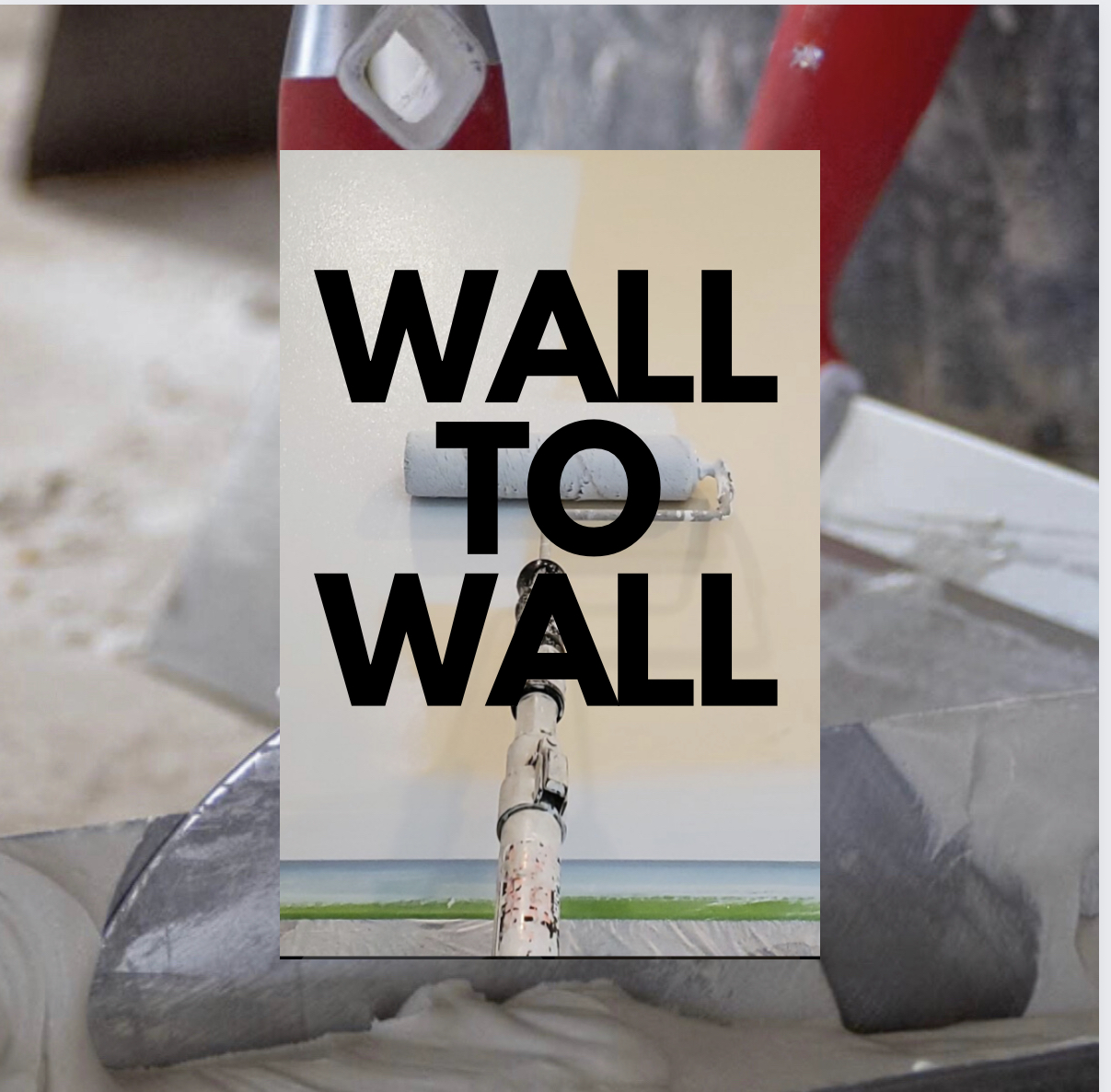
Although they have similar applications, spackle and joint compound are not the same. Their primary differences lie in their composition, consistency, and ideal use cases.

Spackle is composed of gypsum and binding agents, making it thicker than joint compound. It dries quickly and is easy to sand, which makes it ideal for small wall repair projects like filling nail holes or patching minor damage.

Joint compound, also known as drywall mud, consists of limestone and gypsum. It is primarily used for large-scale projects, such as taping and finishing the seams on newly installed drywall. It tends to shrink more than spackle and can be more difficult to spread.

While both products can be used to fill small depressions and cracks, spackle cannot replace joint compound for taping and mudding new drywall. Conversely, you can often use joint compound for small patching jobs typically done with spackle.

Plastering lasts for around 15 to 20 years without needing repairs or maintenance in most cases, and with proper upkeep, plastering can last a lifetime—sometimes more than 100 years. Plaster repair costs between $1 and $3 per square foot, and you may need these services once every 15 to 20 years or so unless you have a harsh climate where humidity changes are a constant issue. You can also opt to skim-coat plaster for between $0.90 and $1.30 per square foot, which may serve you better in the long run.

Yes, you can apply new plaster over an existing plaster surface, such as a wall or ceiling, provided the old plaster is in good condition. Before you begin, check the stability of the existing plaster. The surface must be clean, free of loose material, and have no peeling paint. It is also recommended to roughen the surface slightly to promote adhesion. For older plaster, applying a base coat like a PVA emulsion or a specific bonding agent or primer is crucial. This step makes the existing plaster less porous and ensures the new and old layers adhere properly for a smooth, long-lasting finish.

The Seneca, MI homeowners’ guide to plaster repairs

From average costs to expert advice, get all the answers you need to get your job done.