






Top-rated lead testing and removal specialists.

Get matched with top lead testing and removal specialists in Grand Rapids, OH

Enter your zip and get matched with up to 5 pros

Need a pro for your lead testing and removal project in Grand Rapids, OH?

Select your specific project to find the pro for you.

Find Lead testing and removal specialists in Grand Rapids

Avatar for DYNASTY REMODELING LLC
DYNASTY REMODELING LLC
2.6(
18
)
Toxic Lead - AbatementToxic Lead - Testing

Serving Grand Rapids, OH and surrounding areas

In business since 2004

Free estimates

Emergency services offered

"Bad!!!!over priced. Sub all thier work out. Dynasty did not do a single thing. Short on materials. Did not pay the sub contractors that did the work. Poor attitude. Bad estimate on materials and price. Very pushy. Said they were bbb accredited and they are not. Anytime u call the Secretary knew nothing or where brian wilcox the owner or steve the supervisor was. 1 story ranch took amonth to due. Very pushy 3 weeks in i went to the office to see when it will be done. Said dont worry about it there is no end date. Just all out poor company. The subcontractor that did the work was superb but unfortunately dynasty refused tonpay them after all thier hard work. They are scam artist and beware!!!"
Before
After
Additional Photos
Additional Photos
Additional Photos

+3

Recommended by53%of homeowners
Lead Testing and Removal questions, answered by experts

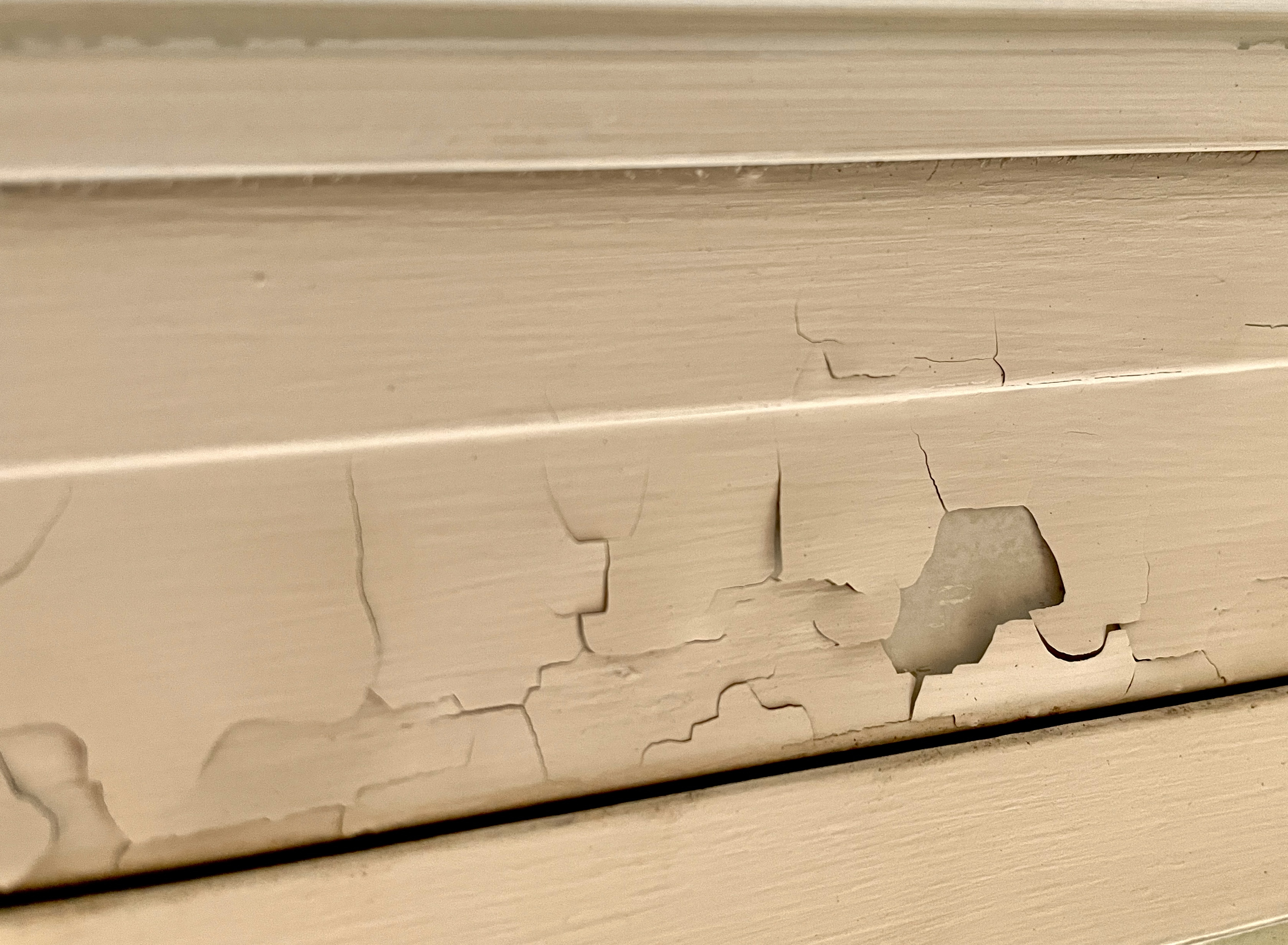
You can paint over lead paint, or “encapsulate” it with a special paint that includes an ingredient called an encapsulant. The EPA approves encapsulation as a lead paint removal method as long as the paint remains undisturbed. Standard types of paint without an “encapsulant” from the big box stores or hardware stores do not meet EPA standards for remediation of lead-based paint.

Properties should be tested for lead every 2-3 years, especially if they are older, have undergone renovations, or show deterioration of paint or interior finishes.

When a surface that contains lead dust is disturbed, the dust can float about in the air for roughly an hour before settling again. Since you cannot see the dust, it is important always to wear protective gear when working with any materials that may contain lead paint and to keep children, pets, and others away from the area for as long as possible

According to the Environmental Protection Agency (EPA), hazardous waste is generally classified into four main categories:

1. Characteristic Wastes: These exhibit at least one of four hazardous traits: ignitability (flammable, like gasoline), corrosivity (can rust or decompose materials, like car batteries), reactivity (unstable and can explode, like aerosol cans), or toxicity (harmful when ingested, like lead-based paint).

2. Listed Wastes: These are specific wastes from manufacturing and industrial processes that the EPA has officially designated as hazardous. They include byproducts from processes that use solvents, pesticides, and other chemicals.

3. Universal Wastes: These are commonly generated hazardous items that are subject to streamlined regulations. Examples include batteries, pesticides, mercury-containing equipment (e.g., bulbs), and some lamps.

4. Mixed Wastes: This category includes waste that contains both hazardous and radioactive components, making it subject to regulation by both the EPA and the Nuclear Regulatory Commission.

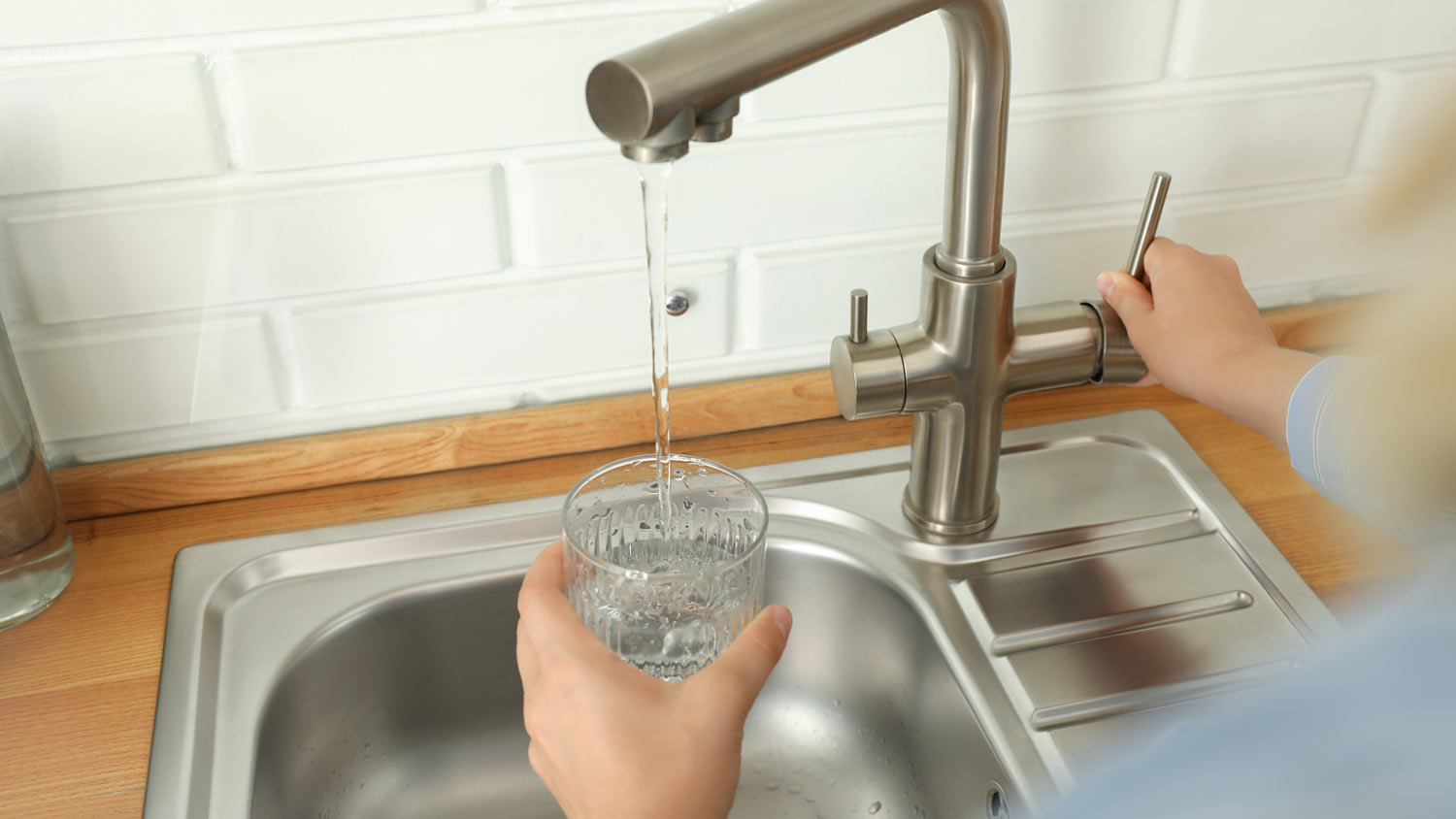
According to the EPA, there is no safe level of lead in the blood, and so the maximum contaminant level goal (MCLG) for lead in water is zero. Even at low levels, lead is harmful to human health. It can also remain in the body and build up over time with repeated exposure.

The Grand Rapids, OH homeowners’ guide to lead testing and removal services

From average costs to expert advice, get all the answers you need to get your job done.