


Top-rated lead testing and removal specialists.

Get matched with top lead testing and removal specialists in Bowling Green, OH

Enter your zip and get matched with up to 5 pros

Need a pro for your lead testing and removal project in Bowling Green, OH?

Select your specific project to find the pro for you.

Find Lead testing and removal specialists in Bowling Green

Avatar for DYNASTY REMODELING LLC
DYNASTY REMODELING LLC
2.6(
18
)
Toxic Lead - AbatementToxic Lead - Testing

Serving Bowling Green, OH and surrounding areas

In business since 2004

Free estimates

Emergency services offered

"Bad!!!!over priced. Sub all thier work out. Dynasty did not do a single thing. Short on materials. Did not pay the sub contractors that did the work. Poor attitude. Bad estimate on materials and price. Very pushy. Said they were bbb accredited and they are not. Anytime u call the Secretary knew nothing or where brian wilcox the owner or steve the supervisor was. 1 story ranch took amonth to due. Very pushy 3 weeks in i went to the office to see when it will be done. Said dont worry about it there is no end date. Just all out poor company. The subcontractor that did the work was superb but unfortunately dynasty refused tonpay them after all thier hard work. They are scam artist and beware!!!"
Before
After
Additional Photos
Additional Photos
Additional Photos

+3

Recommended by53%of homeowners
Lead Testing and Removal questions, answered by experts

According to the Environmental Protection Agency (EPA), hazardous waste is generally classified into four main categories:

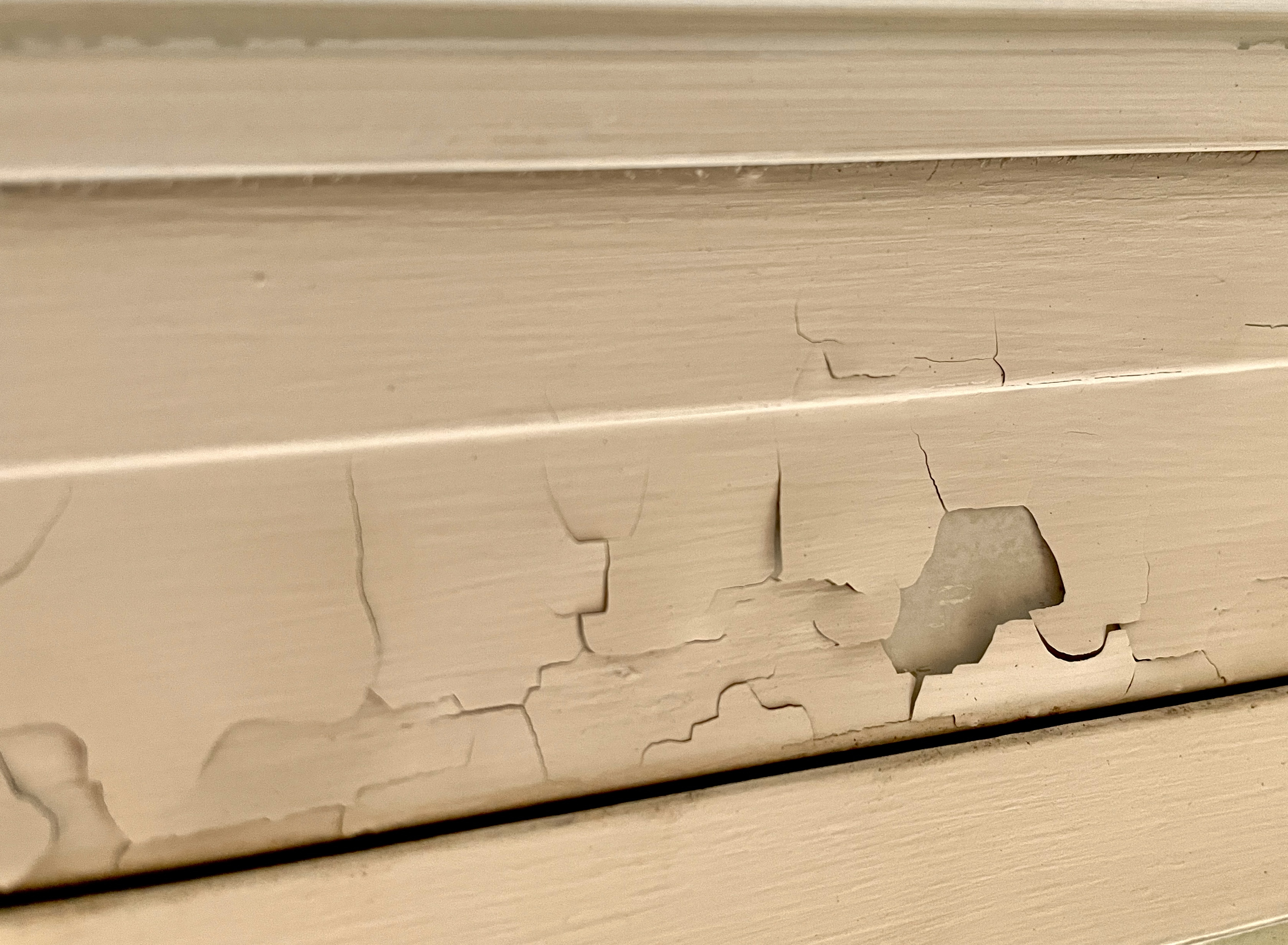
1. Characteristic Wastes: These exhibit at least one of four hazardous traits: ignitability (flammable, like gasoline), corrosivity (can rust or decompose materials, like car batteries), reactivity (unstable and can explode, like aerosol cans), or toxicity (harmful when ingested, like lead-based paint).

2. Listed Wastes: These are specific wastes from manufacturing and industrial processes that the EPA has officially designated as hazardous. They include byproducts from processes that use solvents, pesticides, and other chemicals.

3. Universal Wastes: These are commonly generated hazardous items that are subject to streamlined regulations. Examples include batteries, pesticides, mercury-containing equipment (e.g., bulbs), and some lamps.

4. Mixed Wastes: This category includes waste that contains both hazardous and radioactive components, making it subject to regulation by both the EPA and the Nuclear Regulatory Commission.

Structural problems with the foundation or roof, water damage, and significant plumbing or electrical issues are all considered major red flags in a home inspection. Of these, a structural problem related to the foundation is often the most severe. Foundation repairs are typically the most expensive and intrusive to carry out, averaging around $5,000 but sometimes reaching up to $16,000. Because these problems can pose safety risks and be costly to fix, you should ask your inspector detailed questions about any identified issues. You will need to carefully consider how major problems affect what you’re willing to pay for the home, or if you want to proceed with the sale at all.

A lead paint inspection is a thorough examination and assessment of a building or structure to determine the presence of lead-based paint. Lead-based paint was commonly used in buildings before 1978 when its health hazards were fully understood. Lead is toxic and can pose health risks, particularly to young children and pregnant women. Getting a lead paint inspection means finding a lead paint inspector to examine the surfaces of the building—such as walls, ceilings, doors, windows, and other painted areas—and identify the presence of lead-based paint.

Results from professional lead testing are typically available within a few days to a week (2-7 days), depending on factors like laboratory processing times and the volume of samples being analyzed. Expedited services may also be available for urgent situations.

The average cost of a lead paint inspection is about $600, but it can cost as low as $150 or as much as $800, depending on the size of the area, geographic location, and the inspection methods. Some of the most common lead paint inspection methods include:

  • Visual inspection: $150–$400

  • Paint sampling: $200–$600

  • X-ray fluorescence (XRF): $250–$700

  • Risk assessment: $300–$800

The Bowling Green, OH homeowners’ guide to lead testing and removal services

From average costs to expert advice, get all the answers you need to get your job done.