Top-rated lead testing and removal specialists.

Get matched with top lead testing and removal specialists in Holland, OH

Enter your zip and get matched with up to 5 pros

Need a pro for your lead testing and removal project in Holland, OH?

Select your specific project to find the pro for you.

Find Lead testing and removal specialists in Holland

Avatar for DYNASTY REMODELING LLC
DYNASTY REMODELING LLC
2.6(
18
)
Toxic Lead - AbatementToxic Lead - Testing

Serving Holland, OH and surrounding areas

In business since 2004

Free estimates

Emergency services offered

"Bad!!!!over priced. Sub all thier work out. Dynasty did not do a single thing. Short on materials. Did not pay the sub contractors that did the work. Poor attitude. Bad estimate on materials and price. Very pushy. Said they were bbb accredited and they are not. Anytime u call the Secretary knew nothing or where brian wilcox the owner or steve the supervisor was. 1 story ranch took amonth to due. Very pushy 3 weeks in i went to the office to see when it will be done. Said dont worry about it there is no end date. Just all out poor company. The subcontractor that did the work was superb but unfortunately dynasty refused tonpay them after all thier hard work. They are scam artist and beware!!!"
Before
After
Additional Photos
Additional Photos
Additional Photos

+3

Recommended by53%of homeowners
Lead Testing and Removal questions, answered by experts

Professional testing for lead paint costs about $300, ranging from about $250 to $700, depending on the square footage, accessibility, and location. However, testing for lead paint with a DIY home-testing kit costs about $25, but doesn’t guarantee accurate results. The U.S. Environmental Protection Agency (EPA) recommends using a lead test kit that complies with the Lead Renovation, Repair, and Painting (RRP) Rule, which has strict criteria for ensuring a more accurate reading.

Common home surfaces to test for lead include:

  • Walls

  • Windows

  • Doors

  • Molding and trim

  • Railings

Costs depend on the number of samples, testing method, lab fees, and whether on-site inspections are required.

According to the Environmental Protection Agency (EPA), hazardous waste is generally classified into four main categories:

1. Characteristic Wastes: These exhibit at least one of four hazardous traits: ignitability (flammable, like gasoline), corrosivity (can rust or decompose materials, like car batteries), reactivity (unstable and can explode, like aerosol cans), or toxicity (harmful when ingested, like lead-based paint).

2. Listed Wastes: These are specific wastes from manufacturing and industrial processes that the EPA has officially designated as hazardous. They include byproducts from processes that use solvents, pesticides, and other chemicals.

3. Universal Wastes: These are commonly generated hazardous items that are subject to streamlined regulations. Examples include batteries, pesticides, mercury-containing equipment (e.g., bulbs), and some lamps.

4. Mixed Wastes: This category includes waste that contains both hazardous and radioactive components, making it subject to regulation by both the EPA and the Nuclear Regulatory Commission.
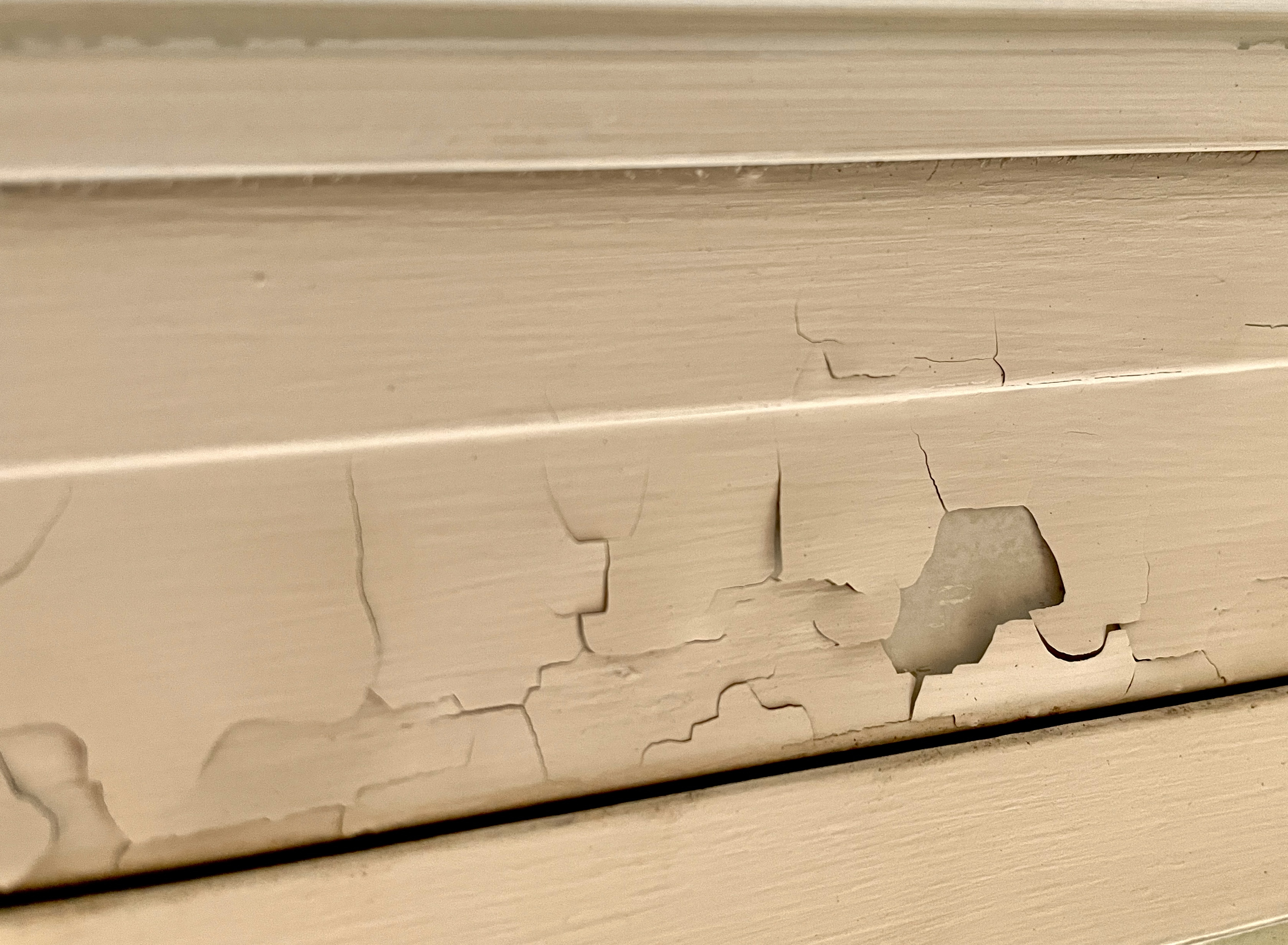

Properties should be tested for lead every 2-3 years, especially if they are older, have undergone renovations, or show deterioration of paint or interior finishes.

If the lead paint is in a place that is not easily disturbed and is not flaking or deteriorating, you do not necessarily need to remove it. Lead is toxic when dust particles or flakes from peeling lead paint are ingested. If people are not in the area with the lead paint, it may be safe to leave it in place. You still may want to consider encapsulation with a paint formulated for covering lead-based paint, just for an added layer of protection.

The Holland, OH homeowners’ guide to lead testing and removal services

From average costs to expert advice, get all the answers you need to get your job done.