
Top-rated drywall pros.

Get matched with top drywall pros in Glouster, OH

Enter your zip and get matched with up to 5 pros

Need a pro for your drywall service project in Glouster, OH?

Select your specific project to find the pro for you.

Find Drywall pros in Glouster

HHC Construction
4.8(
65
)

Serving Glouster, OH and surrounding areas

Approved

In business since 1996

Emergency services offered

Warranties offered

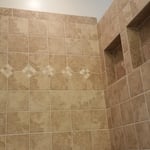
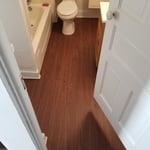
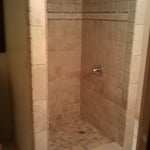
"Awesome, awesome, awesome! Rob and his team(Brian and Trevor) completed my bathroom makeover in a timely manner. I feared starting a construction project, but they made it a smooth process. The design was impeccable and extremely cost efficient for all that was done. It meant so much to me to see the joy on my husband and daughter’s faces. You cannot go wrong with this company."
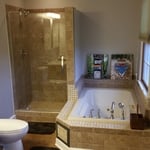
Bath improvement
Built in shower shelf
Bath room new flooring
Add upstairs shower
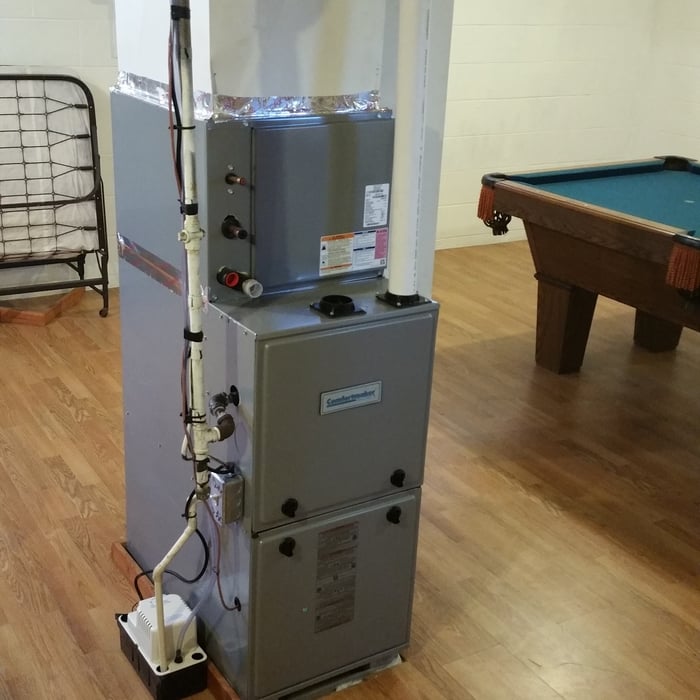
New Furnace

+8

Response time1 day
21 neighbors recently requested a quote
Recommended by90%of homeowners
Avatar for Creative Painting and Design
Creative Painting and Design
5.0(
2
)

Serving Glouster, OH and surrounding areas

Approved

In business since 1990

Free estimates

Customers say: Quick response

Creative Painting & Design is your go to for all of your painting and drywall service needs. Servicing Washington County, there is no job too big or too small. We pride ourselves on our quality work and can guarantee our customers satisfaction 100% of the time. Give us a call today to get your project started!

Gallery
Response time4 hrs
7 neighbors recently requested a quote
Recommended by100%of homeowners
...
Showing 1-10 of 72
Drywall questions, answered by experts

Knowing what causes drywall damage can help stop it before it starts. Here are some of the most common causes of drywall damage: 

  • Water damage from roof leaks or leaky pipes. 

  • Small holes caused by doorknobs, minor accidents, and rodent infestations. 

  • Wall dents stemming from moving furniture and minor accidents. 

  • Wall cracks that form from a settling foundation or seismic activity. 

  • Nail pops from nails and screws in the walls. 

  • Large holes that are caused by accidents with heavy objects, children and pets, or sporting equipment.

Although they are used for similar tasks, spackle and joint compound are not the same. Joint compound, also known as drywall mud, consists of limestone and gypsum and is primarily used for large-scale projects like taping and finishing seams on new drywall. Spackle is composed of gypsum and binding agents, making it a thicker compound best suited for small wall repairs like filling nail holes or cracks, as it dries quickly and is easy to sand. For small repairs, either product can be suitable. However, you can use joint compound for small jobs in place of spackle, but you cannot use spackle for large-scale taping and mudding projects.

Only use spackle on plaster walls when the imperfection is small. It’s best used for nail holes or small dings in the plaster. Spackle dries quickly, allowing you to continue the repair process shortly after using it. Plaster can be tricky to repair, though, so if you run into issues, call a pro so that you don’t risk further damage.

Yes, applying a texture can hide minor imperfections and irregularities in drywall, but it will not cover significant damage like nail marks or screw holes. The best texture depends on the size of the flaws. For minor imperfections, popular choices like orange peel, sand, or popcorn texture are effective. For larger imperfections, you may need a more prominent style, such as a knockdown or trowel finish, to conceal them effectively.

Although they have similar applications, spackle and joint compound are not the same. Their primary differences lie in their composition, consistency, and ideal use cases.

Spackle is composed of gypsum and binding agents, making it thicker than joint compound. It dries quickly and is easy to sand, which makes it ideal for small wall repair projects like filling nail holes or patching minor damage.

Joint compound, also known as drywall mud, consists of limestone and gypsum. It is primarily used for large-scale projects, such as taping and finishing the seams on newly installed drywall. It tends to shrink more than spackle and can be more difficult to spread.

While both products can be used to fill small depressions and cracks, spackle cannot replace joint compound for taping and mudding new drywall. Conversely, you can often use joint compound for small patching jobs typically done with spackle.

The Glouster, OH homeowners’ guide to drywall services

From average costs to expert advice, get all the answers you need to get your job done.