







Top-rated energy efficiency auditors.

Get matched with top energy efficiency auditors in Forest, OH

Enter your zip and get matched with up to 5 pros

Need a pro for your energy efficiency auditing project in Forest, OH?

Select your specific project to find the pro for you.

Find Energy efficiency auditors in Forest

Avatar for Bradford Xteriors
Bradford Xteriors
4.5(
655
)
Energy Audit - For BusinessHome Energy Audit

Serving Forest, OH and surrounding areas

In business since 2007

Free estimates

Emergency services offered

"The owner called me very quickly after I put in a request on Angi and emailed a detailed and very reasonable estimate that same evening. He texted me the next day to make sure I got the estimate and I was able to talk to him about the work that day. While I have decided to put off the work for a while, I would definitely consider using his company for the work as he has provided excellent customer service so far."
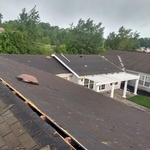
Nursing home Roof
Nursing home Roof
Bradford Xteriors
Bradford Xteriors
Bradford Xteriors

+1

Recommended by89%of homeowners

northshore pressure washing
New to Angi
Energy Audit - For BusinessHome Energy Audit

Serving Forest, OH and surrounding areas

In business since 2011

Free estimates

We are one of the largest energy consulting companies in the country. We offer Free Energy Forcasts to businesses across a wide variety of climate zones. When implemented, our recommendations can consistently save you 17-22% on your energy costs, in the first year. We offer a variety of products, from an all-inclusive fixed product, to a variable option and a hybrid. Call today to see what solutions we can offer you! References are available from very happy clients.

Energy Efficiency Auditing questions, answered by experts

Depending on the level of audit you choose, a home energy audit will at least include a walk-through of the home to determine visible inefficiencies, but may include testing and a highly detailed inspection and report laying out the home’s inefficiencies and providing recommendations to fix those issues. The audit may also include a review of utility bills and mechanical testing. Consult your home energy auditor about the types of services they provide before hiring.

You can save money on heating oil through a combination of improving home efficiency and smart purchasing strategies.

Home Efficiency and Usage:

  • Improve Insulation: Ensure your home, especially the basement and attic, is well-insulated and sealed against drafts to prevent heat leakage.

  • Manage Your Thermostat: Use a properly calibrated and programmable thermostat. Lower the temperature by a few degrees, particularly when you are away from home or asleep.

Purchasing Strategies:

  • Buy in the Off-Season: Order heating oil during the summer months when prices are generally at their lowest. This strategy is most effective if you have a large primary tank or a separate storage tank to accommodate bulk deliveries.

  • Consider a Delivery Contract: Some companies offer contracts with a set price for the term. This can lead to savings if market prices for oil increase, but you might pay more if prices drop.

While you can perform many routine home maintenance jobs yourself, it’s often a good idea to bring pros in for certain tasks. HVAC maintenance, fireplace and chimney inspections, foundation repairs, and roof inspections and repairs should be handled by professionals who know what to look for and can safely perform repairs. You may also find it helpful to hire a local house cleaning service to help with deep cleaning.

Attic and whole-house fans improve a home's energy efficiency and comfort. They ventilate hot air from the attic, which reduces peak cooling loads, lowers reliance on air conditioning, and decreases indoor temperatures. This improved air circulation and expedited heat exit helps lower cooling costs, balance moisture levels, and enhance overall natural airflow, contributing to the efficient operation of other home equipment.

To determine the right size generator for your house, you should calculate the total wattage of the appliances and devices you want to power during an outage. List all essential items, note their start-up wattages, and add them together.

Here are some typical wattage requirements for common appliances:

  • Refrigerator: 600 watts

  • Large dehumidifier: 700 watts

  • Large window air conditioner: 1,400 watts

  • Water heater: 3,000 to 4,500 watts

  • Electric furnace: 5,000 to 25,000 watts

A 7,500-watt generator might be sufficient for essentials like a refrigerator, freezer, well pump, and lighting circuits. However, for high-demand items like a water heater or furnace, a whole-home generator is a better choice. A portable generator may be enough if you only need to power a few critical items.

While home square footage can offer a rough estimate, it is not always a reliable indicator. For reference, here are some typical generator sizes based on square footage:

  • 1,000 sq ft: 6–9 kW

  • 1,500 sq ft: 7–10 kW

  • 2,000 sq ft: 10–14 kW

  • 2,500 sq ft: 12–16 kW

  • 3,000 sq ft: 16–20 kW+

For the most accurate sizing, consult a professional who can calculate your home's peak and average power consumption and recommend the optimal generator.

The Forest, OH homeowners’ guide to energy efficiency auditing services

From average costs to expert advice, get all the answers you need to get your job done.