




Top-rated fire pit installation pros.

Get matched with top fire pit installation pros in Dayton, OH

Enter your zip and get matched with up to 5 pros

Need a pro for your fire pit installation project in Dayton, OH?

Select your specific project to find the pro for you.

TRUSTED BY DAYTON, OH HOMEOWNERS

  • Average homeowner rating star icon4.5
    Average homeowner rating
  • Verified reviews icon70
    Verified fire pit installation services reviews

Find Fire pit installation pros in Dayton

Avatar for Tri State Complete Home Repair and Maintenance
Tri State Complete Home Repair and Maintenance
4.6(
62
)

Serving Dayton, OH and surrounding areas

Approved

Super Service Award Winner

In business since 1996

Free estimates

Emergency services offered

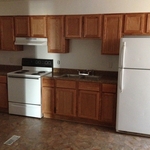
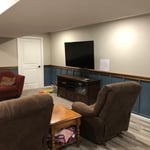
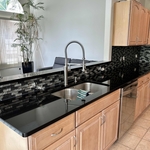
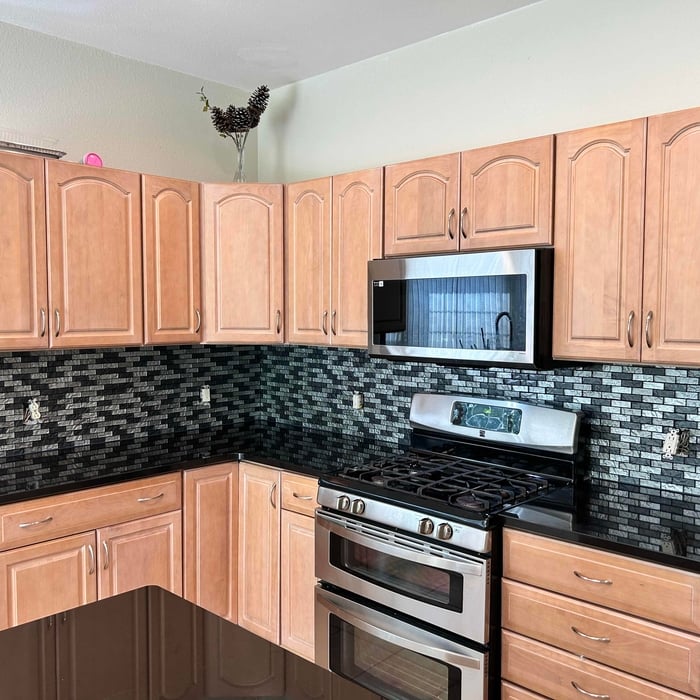
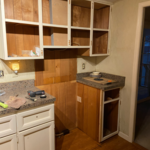
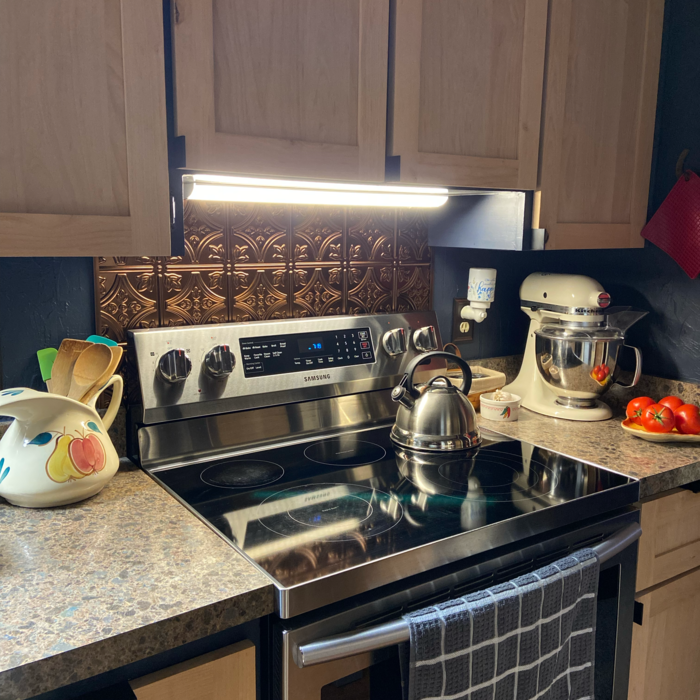
"Had to replace an ancient Jenn-Air drop-in range with downdraft (installed in 1979) with a new LG duel fuel gas stove/electric oven range slide in. Knew it would take some work. Randy and Dan were great during the installation. Tim was very responsive."
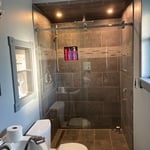
Remodeling - General Project
Before ☹️
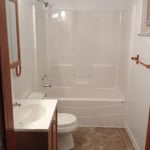
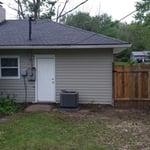
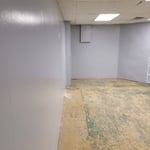
Remodeling - General Project
After! !
Additional Photos

+5

12 neighbors recently requested a quote
Recommended by60%of homeowners
Fire Pit Installation questions, answered by experts
Safety concerns with propane boilers include proper venting to prevent carbon monoxide buildup, secure gas line connections, and regular inspection of safety controls. Professional boiler installation and annual maintenance are essential to minimize risks. Having a carbon monoxide detector installed in your home is essential for early detection of any leaks or ventilation issues.

Start by checking the top or side edge of the door. Look for a certification label or metal tag stamped with details like the fire rating and information on the manufacturer. Even if it’s painted over, the tag should still be visible. Next, look along the edges for slim intumescent strips. They’re designed to swell up and seal gaps when exposed to heat. Finally, check if the door closes itself. Most fire doors have a self-closing mechanism, like an overhead closer or spring hinges. If none of these are obvious, contact a fire safety professional to help verify your door. 

The damper, located just above the firebox, can open or close the chimney flue. The damper should remain closed unless there’s a fire burning in the fireplace. Closing the damper prevents energy loss through the chimney and cold air from seeping into the home during the winter. Opening the damper helps maintain airflow when there is a fire and prevents smoke and gases from venting into the house.

You don’t have to put smoke detectors in every room. At a minimum, though, there should be one on every level of your home, one in every bedroom, and one in the hallways outside the bedrooms. If you have a floor without bedrooms, place a smoke detector in the living room or next to any stairs that lead to an upper level. Attics and basements should also have at least one smoke alarm.

Attics often contain a mix of insulation, electrical wiring, and other materials that can pose fire risks. That’s why furnaces should be installed in the attic with proper insulation and clearance from combustible materials. Additionally, the furnace should be equipped with proper ventilation and heat shields to prevent the buildup of excessive heat in the attic space. Regular inspections and maintenance are also crucial to identify and address any potential fire hazards.

The Dayton, OH homeowners’ guide to fire pit installation services

From average costs to expert advice, get all the answers you need to get your job done.