





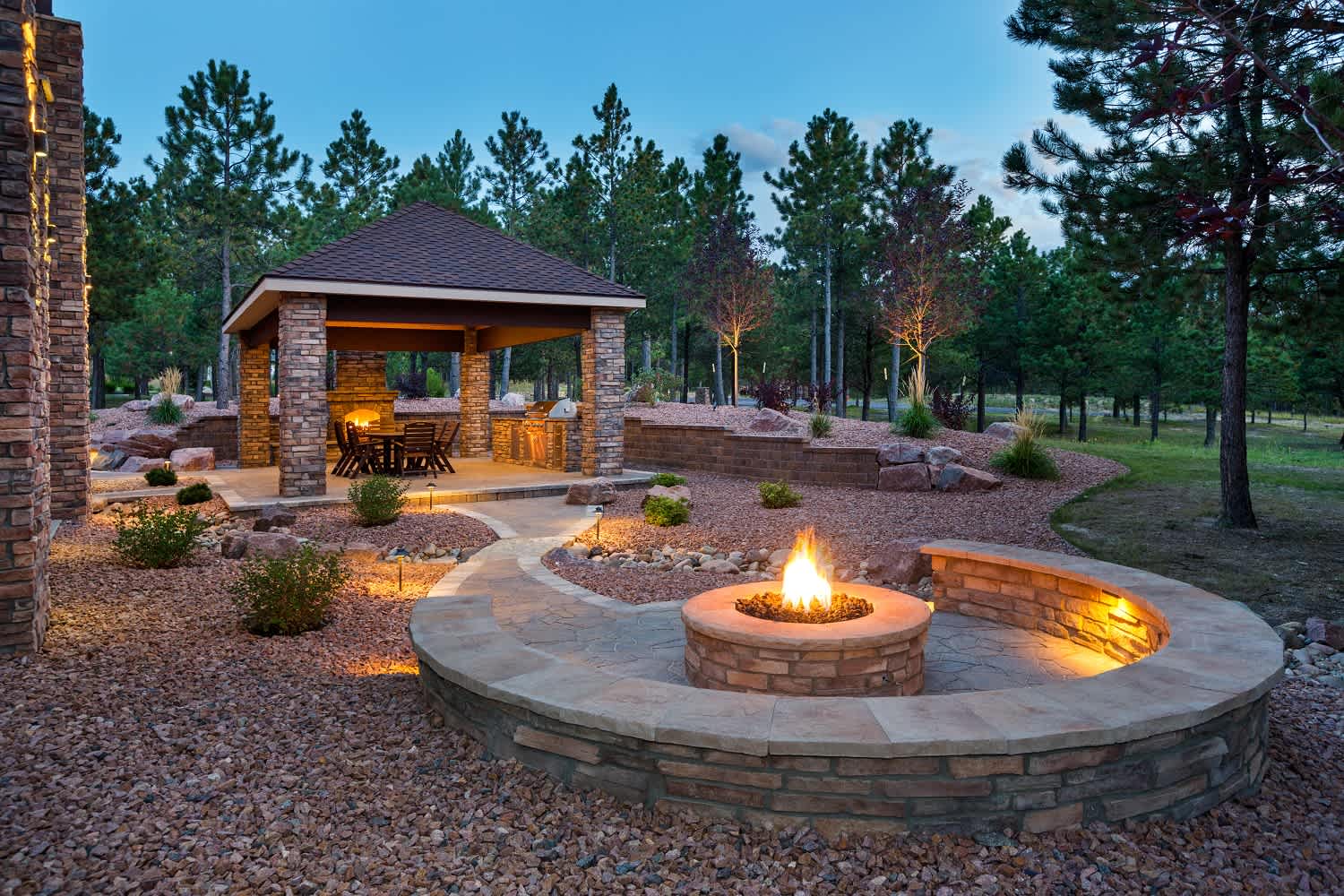
Top-rated fire pit installation pros.

Get matched with top fire pit installation pros in Baltimore, OH

Enter your zip and get matched with up to 5 pros

Need a pro for your fire pit installation project in Baltimore, OH?

Select your specific project to find the pro for you.

TRUSTED BY BALTIMORE, OH HOMEOWNERS

  • Average homeowner rating star icon4.4
    Average homeowner rating
  • Verified reviews icon422
    Verified fire pit installation services reviews

Find Fire pit installation pros in Baltimore

No results for Fire pit installation pro in

Try adjusting your search criteria.
Fire Pit Installation questions, answered by experts

According to the National Fire Prevention Association (NFPA), the leading cause of house fires is cooking accidents, followed by fires started by heating equipment. Electrical issues are the third most common cause of house fires. The best way to keep your home protected is to use caution when cooking and never leave a stove or oven unattended while in use. You can also keep up with chimney cleaning and avoid using space heaters to reduce the risk.
A spark arrestor is a simple metal mesh device that prevents flammable particles from escaping from a combustion source and causing a fire. You typically find these attached to gas or diesel engines on things like cars, generators, and garden tools (lawnmowers, chainsaws, etc.). Fireplace or wood-burning stove chimneys also have spark arrestors attached to or sitting under the chimney cap to capture burning embers.

Yes, dead palm tree fronds are a fire hazard. The leaves become highly combustible because the dead fronds don’t fall off the tree themselves, especially in hot, sunny climates. In fact, many wildfires start from dead palm fronds. Palm trees can also easily catch fire from lighting, electrical power lines, and fireworks. So, cutting off dead palm fronds before they become a fire hazard is important.

Regular inspections ensure no blockages, structural stability, prevention from fire hazards, and maintenance of optimal heat venting, safeguarding household safety.

Generally, an oil furnace is considered safer than a gas furnace for several reasons. While both types of furnaces can produce carbon monoxide, a leak in an oil furnace is easier to detect due to the smell. Oil furnaces also don't connect to a gas pipeline, which reduces the chance of a fuel leak. Most importantly, heating oil is not combustible, whereas natural gas is highly flammable. This means there is a much lower risk of combustion or explosion with an oil furnace. However, an oil furnace can still pose a fire hazard if it tips over.

The Baltimore, OH homeowners’ guide to fire pit installation services

From average costs to expert advice, get all the answers you need to get your job done.