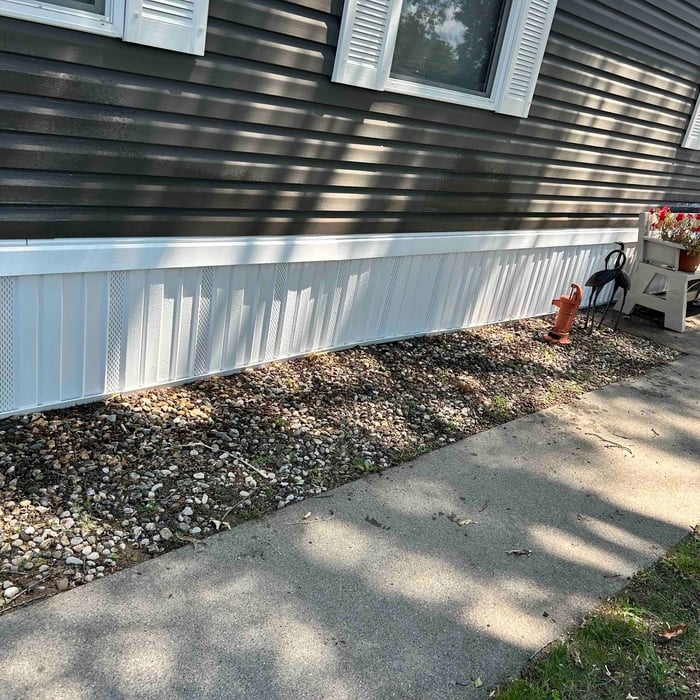
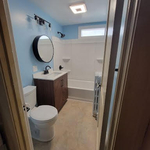
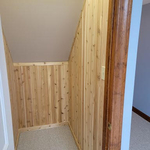
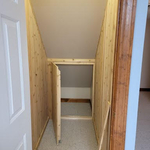
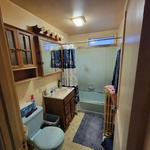
"They were fantastic!!!! Very efficient and meticulous!!!! I had several small projects they finished in no time, left everything clean I couldn’t have been any happier!!!! Definitely my go to from now on!!!!"
I'm a very handyman and no job to big or small.ive owned and operated 3 apartments and work in HVAC and electrical work as well as anything that needs to be done big or small.paimtimg to building projects as well.Hard working and always on time.Look forward to servicing all your needs.\nJoseph Chapman
Im 40 years old and ive been fixing thing doing landscaping and construction my entire life I offer my services with a promise that if I cant do it I wont. I offer fair work for fair pay
I’m a reliable, detail-oriented handyman with a strong work ethic and a focus on getting the job done right the first time. I bring a broad skill set across repairs, maintenance, and small renovations, along with clear communication and respect for your time and space. I take pride in quality workmanship, showing up when I say I will, and leaving every project clean, safe, and built to last.
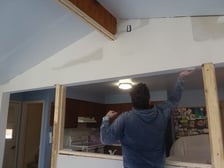
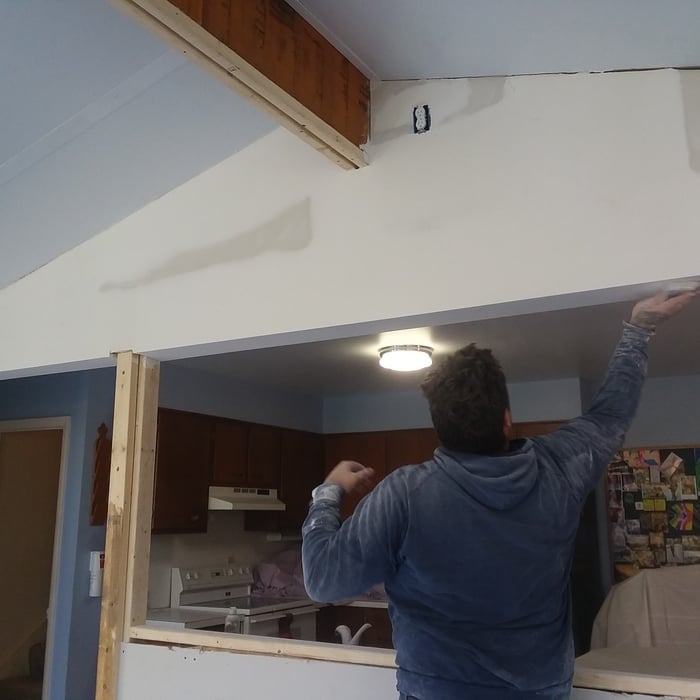
"Andrew is a great craftsman and a very hard worker. The drywall demolition and install job proved to be much more difficult than originally anticipated because of issues with the original construction of an old house. He and his team overcame the challenges with grit and positive energy. We are delighted with excellent work product at a reasonable cost."
Fire Pit Installation questions, answered by experts
One of the best ways to know your chimney is good to go on any given night is to simply look up into your flue with a flashlight. If you see a thick buildup of creosote—a shiny, dark substance that looks like tar—it’s best to have your fireplace professionally cleaned before you go ahead with the burn. Additionally, having your fireplace professionally inspected once per year can also help increase your peace of mind and keep your family and your home safe.
No, it is not safe to leave a propane heater on overnight. Even if you’re using the heater in a well-ventilated space, the heaters can emit carbon monoxide that can lead to fires. Be sure to fully turn off and secure the propane heater before clearing the area.
Yes. Even when it’s not in use, an outlet is still connected to wiring, and if the wiring is faulty or wet, a fire can occur. Broken outlets can also cause fires, for the same reasons; in fact, most broken outlets are broken due to damaged or worn-out wiring. It’s worth replacing outlets that are old or damaged with the help of an electrician.
No, but they both serve distinct life-saving purposes. Smoke detectors primarily sense the presence of smoke, typically caused by a fire, and emit loud alarms to alert occupants to evacuate. In contrast, carbon monoxide detectors monitor the levels of carbon monoxide gas, an odorless and colorless but deadly substance produced by incomplete combustion of fuels. When CO levels become dangerous, CO detectors sound alarms to warn inhabitants of potential poisoning risks.
Shiplap can be safe for a gas fireplace, but you should consult with a fireplace installation pro before proceeding. You need to make sure your project meets building and safety codes since shiplap is made from flammable wood. You may need to install another non-combustible material, like stone or brick, around the fireplace for a certain amount of space before you can add shiplap.
The Whitehall, NY homeowners’ guide to fire pit installation services
From average costs to expert advice, get all the answers you need to get your job done.
A fire pit installation costs $850 on average but can vary by size, fuel type, materials, and more. See how much you need to budget for a new fire pit.
Discover fire door cost data, including installation, materials, and tips to save. Learn what impacts fire door pricing and how to budget for your project.
Discover home fire sprinkler system costs, including installation, maintenance, and key cost factors. Learn how to budget and save on your home fire protection.
A fire pit adds attractive entertainment space to your backyard. Learn about standard fire pit dimensions and what factors contribute to fire pit size.