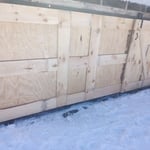
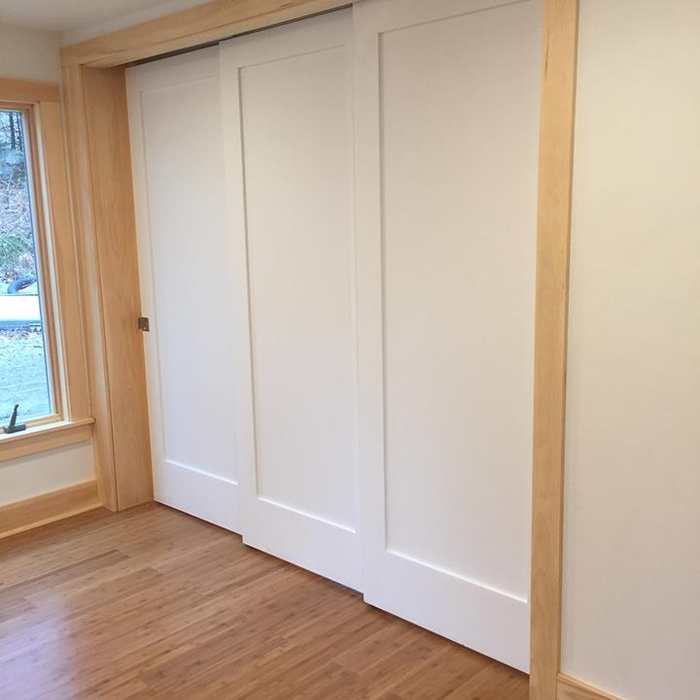
"Thx to Yumbla Master Builder LLC for the excellent siding wall repair. The work was completed w/ professionalism, quality & attention to detail. We?re very satisfied w/ the results & highly recommend their services."
I'm a very handyman and no job to big or small.ive owned and operated 3 apartments and work in HVAC and electrical work as well as anything that needs to be done big or small.paimtimg to building projects as well.Hard working and always on time.Look forward to servicing all your needs.\nJoseph Chapman
Im 40 years old and ive been fixing thing doing landscaping and construction my entire life I offer my services with a promise that if I cant do it I wont. I offer fair work for fair pay
I’m a reliable, detail-oriented handyman with a strong work ethic and a focus on getting the job done right the first time. I bring a broad skill set across repairs, maintenance, and small renovations, along with clear communication and respect for your time and space. I take pride in quality workmanship, showing up when I say I will, and leaving every project clean, safe, and built to last.
"I had areas of dry rot that Dana fixed. He found more areas while doing repairs and fixed all of it quickly and perfectly. When I called Dana to get a quote he was in the area and come to see me in 10 minutes. Other professionals either didn't return my call or told me my job was too small. They wanted to build houses. One told me he would do it in the fall when his large jobs were done. Very pleased with Dana and his work. I'll be hiring him again if I need more work done."
"Lee happened to be at my house when I got some bad news about my water heater. Though Iâ d asked him to handle a different and much smaller project he graciously offered to help me replace my water heater. Not only did he get it installed that day, his advice saved me more than a thousand dollars. And he got the dog run up! Really great service from a genuinely good guy. Canâ t recommend him highly enough!"
"Great workers. Everything was done perfectly. The guys were friendly and professional. Very reasonably priced. Very respectful of my house. Cleaned up afterwords and took the trash with them. Very happy with the work and will definitely hire them for any future projects. Highly recommend."
Fire Pit Installation questions, answered by experts
Lightning can cause massive damage, fires, and openings for other threats like bugs or fungal diseases. Barring any large fires or explosions, it’s difficult to tell how much damage a lightning strike has done until after a thorough inspection. Contact local authorities immediately if lightning strikes a tree in your yard and it causes a fire or explosion.
The primary disadvantage of a ventless fireplace is that it doesn’t have an exterior venting system. This means that the byproducts from combustion are emitted into your home, which raises some safety concerns. In addition, ventless gas fireplaces produce moisture as they burn—and if there’s no ventilation, you could end up with a mold problem.
A home fire sprinkler system reduces heat, flames, and smoke within seconds. Fire sprinkler systems hide in walls with sprinkler heads running along the piping throughout your home.
When the air surrounding a sprinkler reaches a specific temperature, the heads closest to the fire activate and release anywhere from 10 to 25 gallons of water per minute.
Beyond having an inspection, it’s important to do chimney maintenance at least annually to be certain the chimney is safe to use. Cleaning the flue of any built-up particles, creosote, and soot reduces the risk of fire. Fortunately, the cost of hiring a pro to do a chimney inspection often includes a chimney cleaning, so you may not have an extra expense for maintenance.
When a carbon monoxide alarm goes off, you should always take it seriously. Infrequent and occasional chirps often point to a low battery, a faulty device, or dust buildup (this usually affects smoke detectors and not standalone CO detectors). A continuous alarm signals an emergency, and you should immediately evacuate and call 911. When it comes to carbon monoxide in your home, it’s better safe than sorry.
The Pawlet, VT homeowners’ guide to fire pit installation services
From average costs to expert advice, get all the answers you need to get your job done.
A fire pit installation costs $850 on average but can vary by size, fuel type, materials, and more. See how much you need to budget for a new fire pit.
Discover fire door cost data, including installation, materials, and tips to save. Learn what impacts fire door pricing and how to budget for your project.
Discover home fire sprinkler system costs, including installation, maintenance, and key cost factors. Learn how to budget and save on your home fire protection.
A fire pit adds attractive entertainment space to your backyard. Learn about standard fire pit dimensions and what factors contribute to fire pit size.