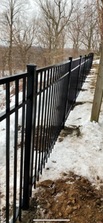
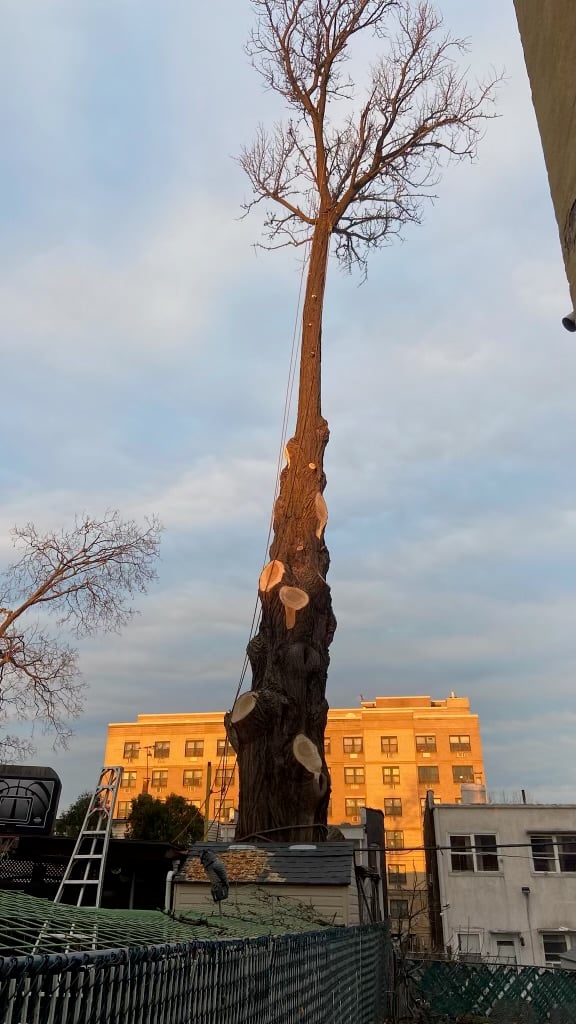
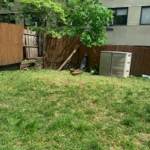
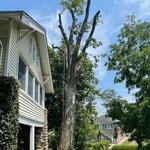
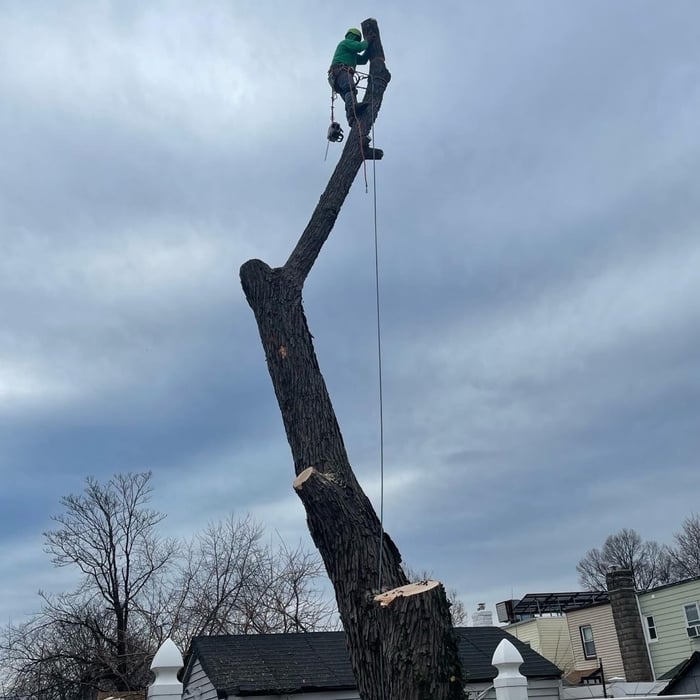
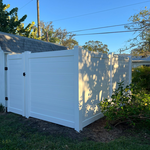
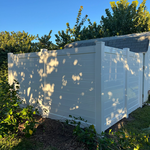
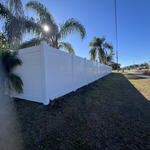
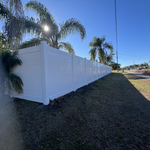
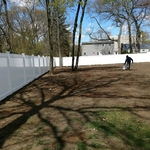
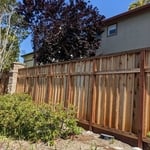
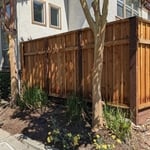
"Excellent. The tree roots had grown into the neighbor's fence which made the job more difficult. Raul was mindful of this and took care not to damage the fence. He was on time for the estimate appointment and for the removal of the stump. He is courteous and professional. I recommend him ."
"I had hurricane and tree damage to my fence. Garcia fence company gave me an estimate and the next day they repaired my fence. They are hard workers and did a great job. It only took them 1 day to do the work (I have a big yard). My dogs can finally run in the back yard. Thank you."
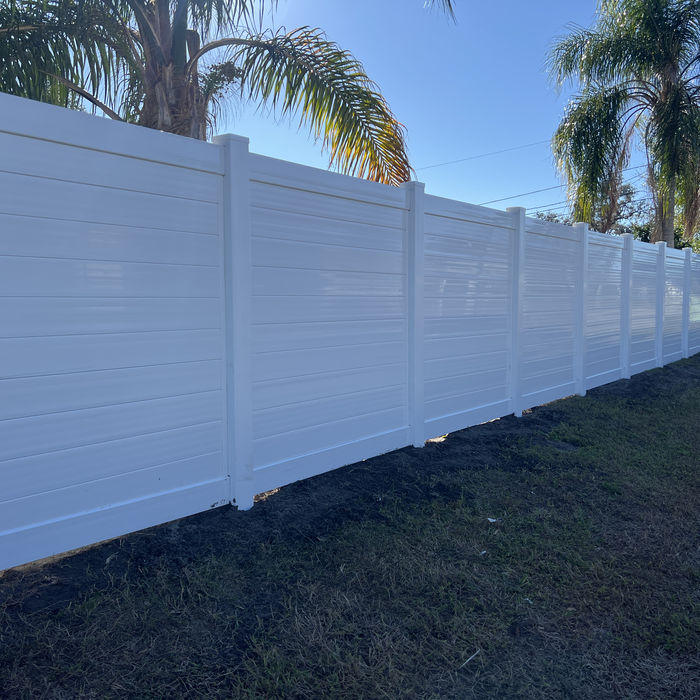
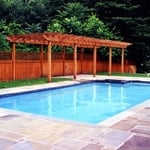
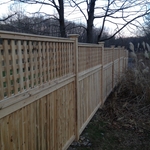
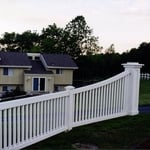
"Mr. Serrano’s son, Erick, and his workers did a fantastic job installing the fence. They were prompt and professional. The fence is beautiful and we are pleased with the outcome. We highly recommend Serrano Fence & Son, Inc."
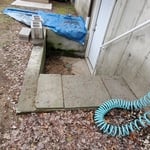
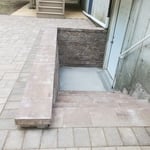
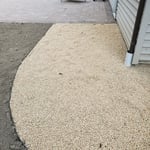
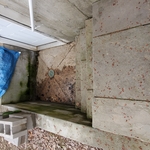
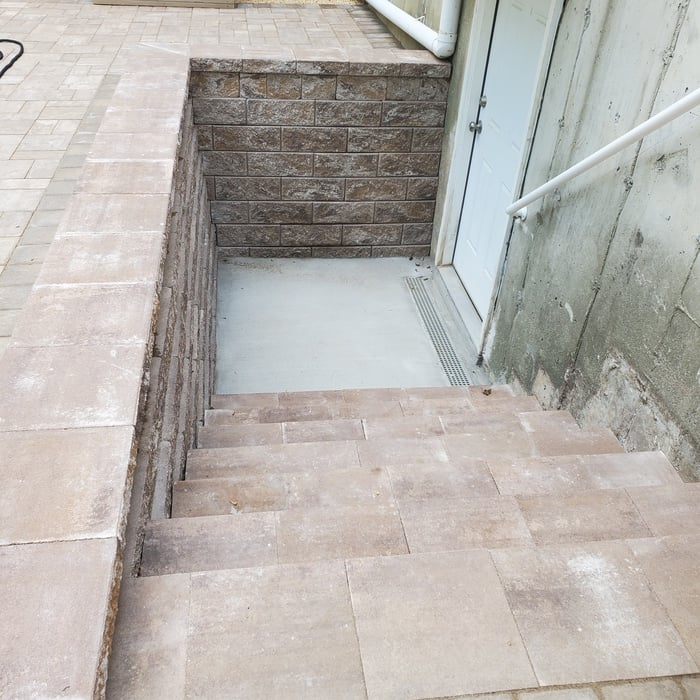
"We had an excellent experience with our walkway installation. Communication was clear and prompt throughout the entire process, and the team was professional, courteous, and reliable. The workmanship was outstanding, with great attention to detail and a beautifully finished walkway. We are very pleased with the results and would highly recommend them to anyone looking for quality work."
You’ll need to bury the garden fence about 1 foot underground. It’s tempting to save on materials by burying the fence just a couple of inches, but if you do so, determined pests will still be able to dig under the fence and access your plants. Burying your garden fence deep into the soil is an important step that allows you to attach a wire barrier to the fencing.
Burrowing animals (like voles, moles, rabbits, and gophers) can’t dig or chew through this wiring, meaning that you’ll be keeping your prized petunias or your robust veggie garden from being eaten.
Whether you need a permit to build or install a fence depends on several factors, including your location, the fence's height, its placement in your yard, and the materials used. In many cities and highly populated areas, a permit is required, especially for fences taller than 6 feet. Conversely, rural areas may have fewer restrictions. Typically, backyard privacy fences 6 feet or shorter do not require a permit, while front yard fences often have a lower height limit, sometimes as low as 3.5 feet. There can also be exceptions for properties in mixed residential-commercial zones. It's best to check with your local building inspection or zoning department to understand the specific requirements, height restrictions, and location rules for your area. A professional fence installer can help you navigate this process and often secure the necessary permits for you, though this may extend the project timeline.
A bamboo fence can last up to 20 years when properly installed and maintained. Bamboo is a durable material, but to get the most life out of it, you should clean and seal the fence every few years. Staining the bamboo can also restore the appearance if the color fades over time. Use screws to fasten the bamboo, rather than twine, to ensure the bamboo fence stays together longer.
Clean regularly, inspect for damage, and seal or paint wooden fences to protect against weather.
Ideally, your concrete should set slightly above ground at an angle sloping away from the fence post. This will add extra support and allow water to run away from the wood fence post. Keeping water out will help prevent wood rot. Additionally, you can add soil on top of the concrete for a seamless finish.
The Tuckahoe, NY homeowners’ guide to fencing services
From average costs to expert advice, get all the answers you need to get your job done.
How much a privacy fence costs in New York, NY depends on several factors, including the size of the fence and the material used. Our cost guide breaks down these and other factors.
Learn about fence installation costs in New York, NY. Compare materials such as wood, vinyl, and chain-link, get quotes from local pros, and plan your project budget.
The cost to build a wood fence in New York, NY depends on the size, material, add-ons, and more. Read this guide to learn how each cost factor impacts the price of a wood fence.
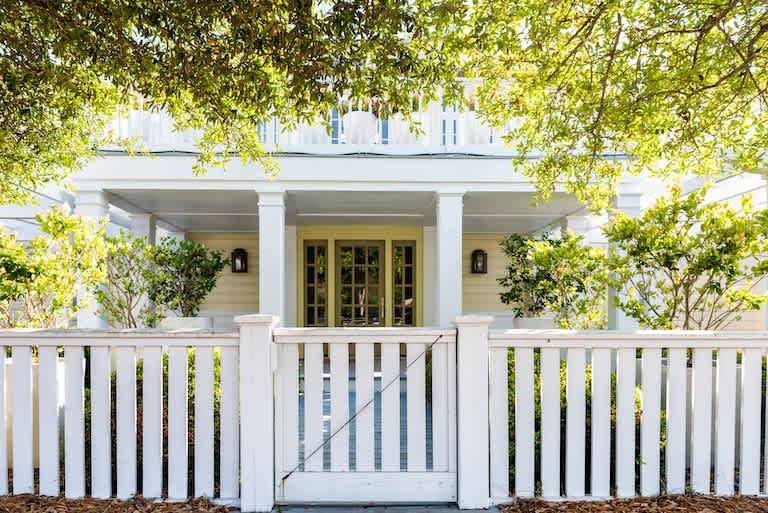
Is your front yard looking incomplete and in need of a finishing touch? Browse through these fence ideas for a picturesque and private enclosure for your yard.