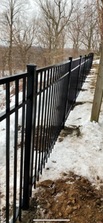
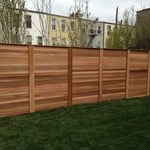
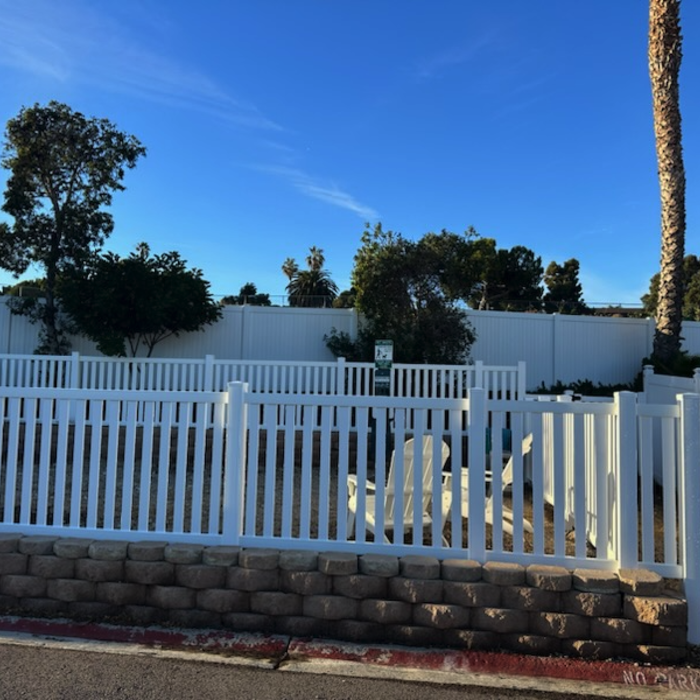
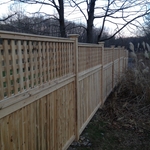
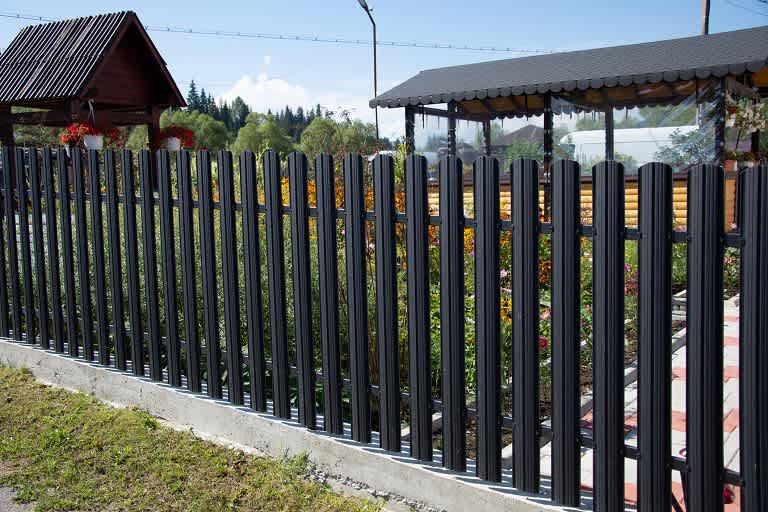
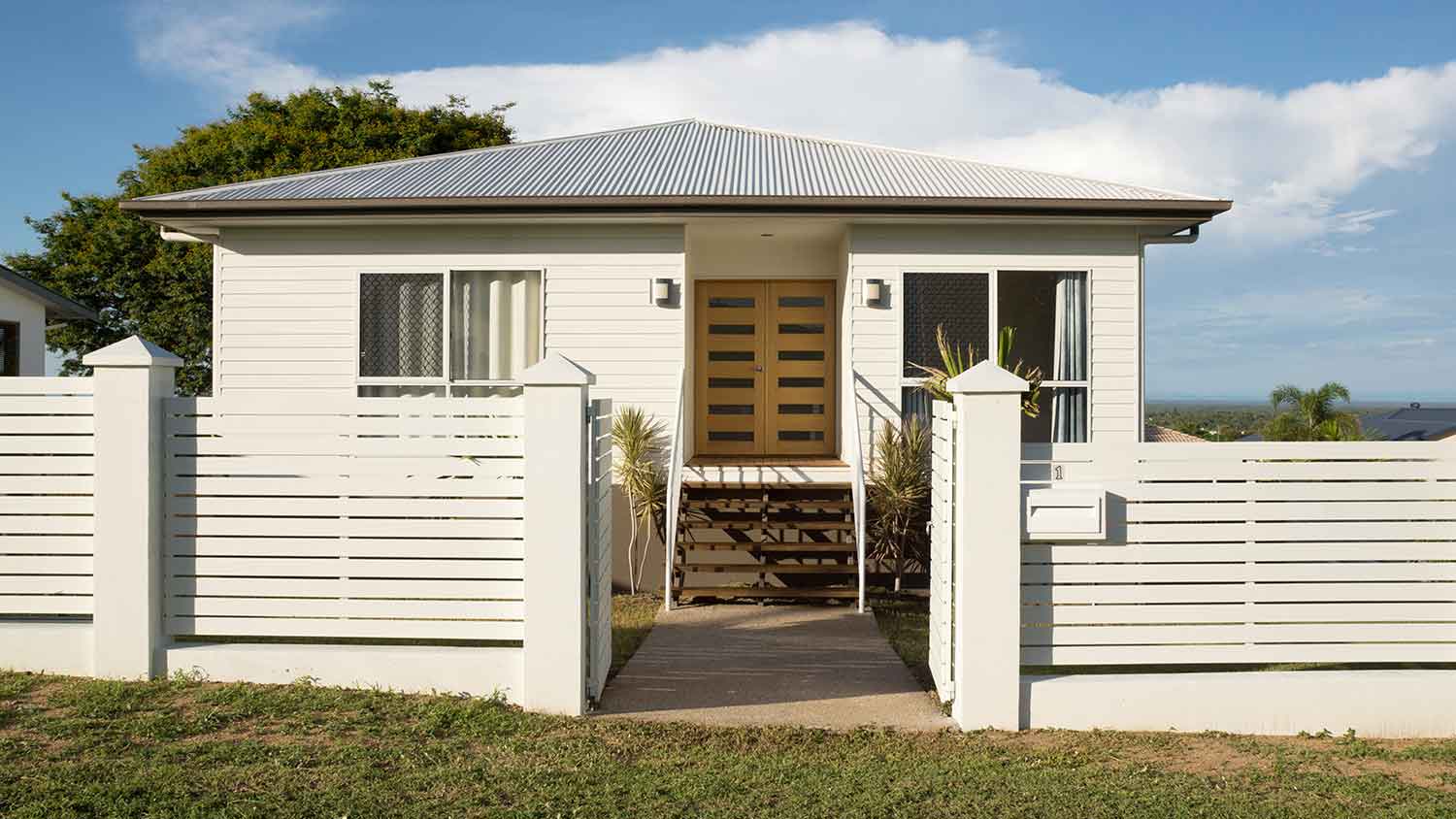
"There were some issues with my neighbors just two days before the fence was supposed to go up. Paul was very nice accommodating our issue. The fence looks great and we can now let our dog enjoy the backyard, as can we."
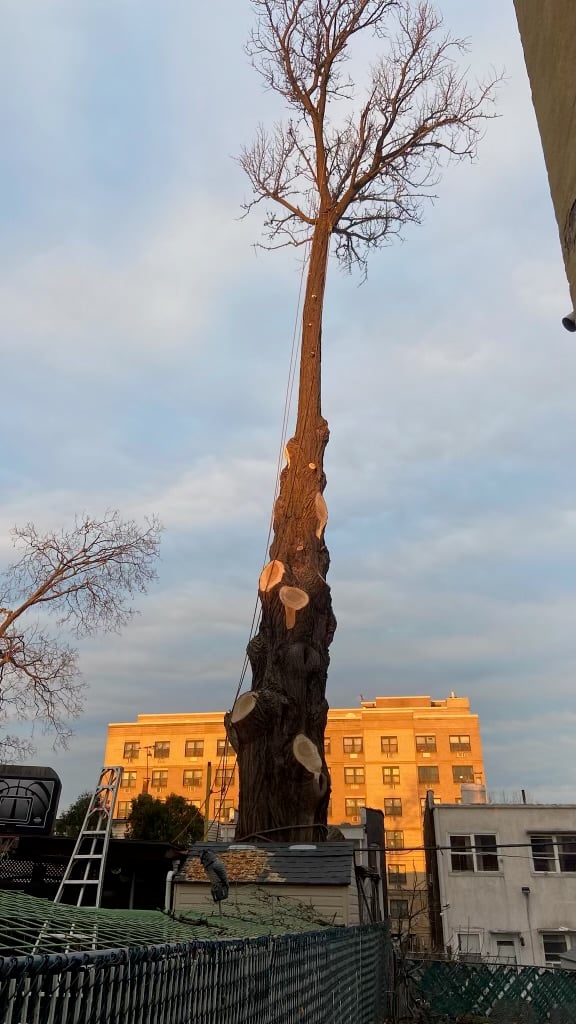
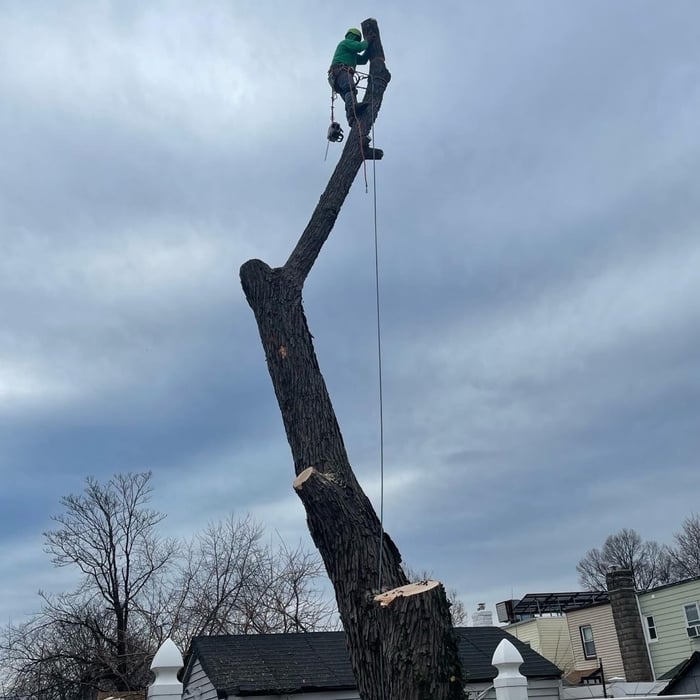
"Excellent. The tree roots had grown into the neighbor's fence which made the job more difficult. Raul was mindful of this and took care not to damage the fence. He was on time for the estimate appointment and for the removal of the stump. He is courteous and professional. I recommend him ."
"Mr. Serrano’s son, Erick, and his workers did a fantastic job installing the fence. They were prompt and professional. The fence is beautiful and we are pleased with the outcome. We highly recommend Serrano Fence & Son, Inc."
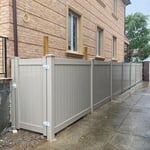
"Very responsive and came fast. Made me feel comfortable when they have a price quote. The most reasonable price quote that I got out of 4-5 other quotes. They did an excellent job installing the fence. They made all the right decisions when trouble shooting how to place the fence. The entire staff was polite and finished the job quickly. Would highly recommend them."
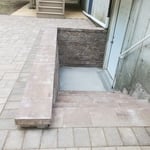
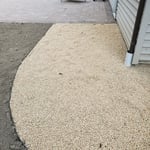
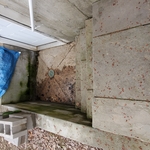
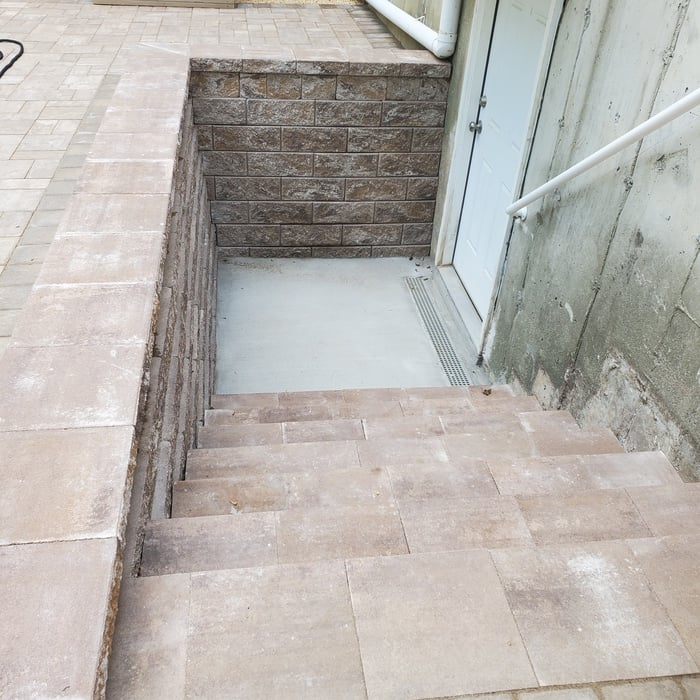
"We had an excellent experience with our walkway installation. Communication was clear and prompt throughout the entire process, and the team was professional, courteous, and reliable. The workmanship was outstanding, with great attention to detail and a beautifully finished walkway. We are very pleased with the results and would highly recommend them to anyone looking for quality work."
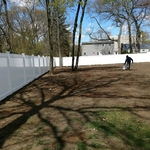
"Excellent service. Done on time and on budget. Installed a beautiful new fence around my yard in one day, took care of some necessary landscaping (cutting out tree stumps, trimming back trees and cutting roots to accommodate the fence), cleaned up thoroughly when they were done. Very good experience."
Yes, finding compatible materials and finishes for seamless fixes.
Your wooden gate post hole should be a third to a half of the height of the post. Also, note that the diameter of the post hole should be three times the diameter of the post. You should set the post in concrete to ensure a long-lasting and durable post that will withstand the test of time.
Ideally, when you replace a fence post, you should also replace the concrete footing. The concrete bonds to your new post, creating a secure base. If you install a new post into old concrete, it won’t be as sturdy.
That said, it is possible. Sometimes the post will lift right out of the concrete. If not, you can use a high-lift car jack to try and lift the pole out of the footing. Put the new post into the same hole and backfill it with fast-setting concrete. Keep in mind, this won’t work well for metal posts.
Both nails and screws are common in fence construction, including on pickets. Some builders prefer to use nails when connecting the pickets to the rails and screws when connecting the rails to the posts. However, the best option usually depends on the type of wood fencing and the variety of wood you choose.
In addition to the fence itself, several factors can impact the overall price of putting a fence in. Consider these add-ons and necessary expenses when building your project budget.
For example, additional cost factors may include:
How much a privacy fence costs in New York, NY depends on several factors, including the size of the fence and the material used. Our cost guide breaks down these and other factors.
Learn about fence installation costs in New York, NY. Compare materials such as wood, vinyl, and chain-link, get quotes from local pros, and plan your project budget.