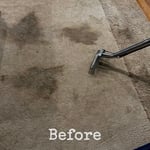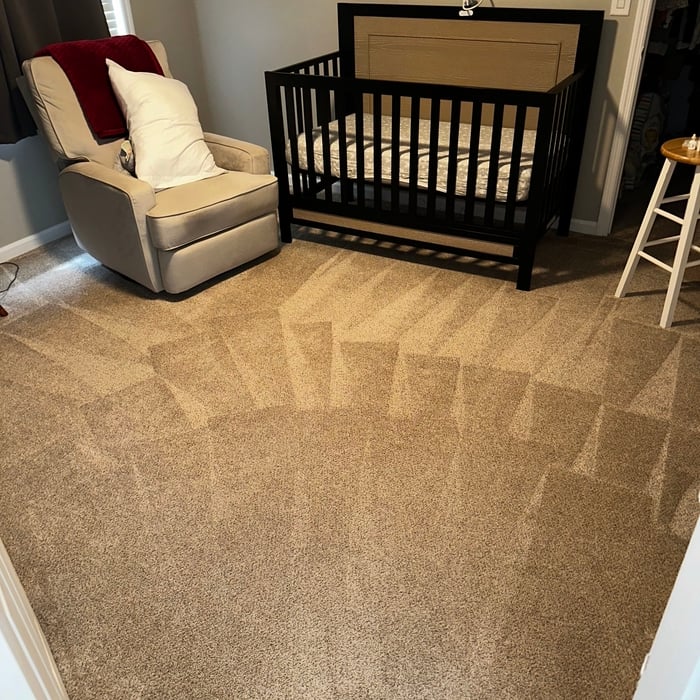


Top-rated carpet installation pros.

Best carpet installation pros near Schaghticoke, NY

Enter your zip and get matched with up to 5 pros

Need a pro for your carpet installation project in Schaghticoke, NY?

Select your specific project to find the pro for you.

TRUSTED BY SCHAGHTICOKE, NY HOMEOWNERS

  • Average homeowner rating star icon4.8
    Average homeowner rating
  • Verified reviews icon16
    Verified carpet installation reviews

Top-Rated Carpet installation pros in Schaghticoke - Updated Nov 2026

Oak and ivory cleaning co
New to Angi
Carpets or Rugs - Clean OffsiteCarpets or Rugs - Clean at Home

Serving Schaghticoke, NY and surrounding areas

Approved

Hi! I’m Shelbea, the owner of Oak & Ivory Cleaning Co. 🤍✨\n\nI started my cleaning business with one simple goal: to help make life a little easier by giving my clients a clean, comfortable, and welcoming space to come home to. I take pride in being dependable, detail-oriented, and treating every home as if it were my own.\n\nWhether you need a routine cleaning, deep clean, move-in/move-out service, or just some extra help getting your space back in order, I’d love the opportunity to help! 🧹🫧\n\nThank you for supporting my small business — I can’t wait to make your space shine! 🤍

2 neighbors recently requested a quote
...
Showing 1-10 of 87
Carpet Installation FAQs, answered by experts

In most cases, carpeting isn’t kind to the wood that it’s attached to. Most carpet installation uses adhesive or nailing strips, both of which will damage wood. Conversely, you can choose to use an adhesive designed to be removed from wood, in which case carpeting can actually protect your hardwood stairs.

It is normal to glue carpet down, though it’s not the only or the most popular method of installing carpet. Modern techniques include tack strips and stretching the carpet, but you might still find glued carpet in older homes or a home with a DIY’d past. Removing a glued-down carpet will be harder compared to other methods of installation.

When it comes to flooring installers, licensing laws vary from state to state. Even if your state doesn’t require your flooring installer to have a license, your municipality or city might, so it’s a good idea to check with your town before getting started. Be sure to check our state licensing tool to review the local general contractor guidelines. 

Hiring an unlicensed flooring installer could lead to poor quality work, costly future expenses, and potential code violations. 

As you browse our pro listings, take note of the “Angi Approved” badge. Angi Approved businesses meet our standards for certification which include:

  • The owner, principal, or relevant manager passed a criminal background check

  • Required to have applicable state and local licenses

  • Maintain an average star rating of 3.0 or better on our network, if they have at least one review

  • Paying to advertise their services

  • Meeting any other eligibility criteria required by Angi

Keep in mind licensing is different from certifications. A license is a legal requirement to operate a business, while certifications are voluntary.

A transition piece between carpet stairs and wood flooring isn't always necessary. A transition piece separates two types of flooring in between rooms and areas, like carpet and vinyl. Because the carpet on the stairs tucks into the seam, you can’t see the fringes, and there is no need to hide anything. However, you can use a stair cap if your stairs have a nose.

While it is possible to install carpet yourself, it is a challenging DIY project that requires precise measurement, proper cutting skills, and knowledge of correct installation techniques. The process involves multiple steps, including removing old flooring, installing underlayment and tack strips, and stretching the carpet to prevent wrinkles, which can take several days to complete.

Before starting, consider these factors:

  • Warranty: Many manufacturers' warranties are voided if the carpet is not installed by a professional.

  • Tools: You will need to buy or rent specialized equipment like a knee kicker, carpet stretcher, and seam roller.

  • Complexity: DIY installation is most suitable for simple, straightforward rooms. Projects involving stairs or floor vents are significantly more difficult.

  • Cost: While you can save on labor, the cost of tools plus the risk of expensive mistakes—which may require re-installation—can make hiring a professional more cost-effective in the long run.

Given the potential for errors, voided warranties, and the need for special tools, hiring a local carpet installer is often recommended to ensure the job is done correctly and safely.

The Schaghticoke, NY homeowners’ guide to carpet installation

From average costs to expert advice, get all the answers you need to get your job done.