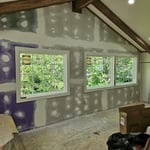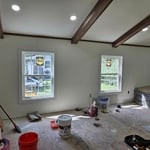



Top-rated drywall pros.

Get matched with top drywall pros in Philmont, NY

Enter your zip and get matched with up to 5 pros

Need a pro for your drywall service project in Philmont, NY?

Select your specific project to find the pro for you.

Find Drywall pros in Philmont

Avatar for Mr. K's Painting
Mr. K's Painting
4.7(
20
)
Drywall - InstallDrywall - Repair

Serving Philmont, NY and surrounding areas

Approved

In business since 2019

Free estimates

Emergency services offered

"Mr K is respectful and honest. He treats the project as if he was doing it for his home or for a family member. He keeps you updated on things and lets you know the planned steps. Also doesnâ t leave a mess and is respectful of your home."
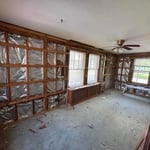
Apartment Kitchen
Apartment Kitchen 2
Custom stained trim board and pickled floor
Hallway
Living room

+9

Response time11 hrs
18 neighbors recently requested a quote
Recommended by95%of homeowners
JLR Construction
4.8(
17
)
Drywall - RepairDrywall - InstallDrywall - Install - For Business+1 more

Serving Philmont, NY and surrounding areas

Approved

Super Service Award Winner

In business since 2014

Free estimates

Offers commercial services

"Iâ ve Joe on 3 different jobs on two rental properties. He is top shelf all the way and is exceptionally good at keeping folks updated on project progress. Iâ ll use him when ever he is available!"
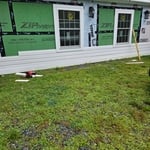
Siding prep
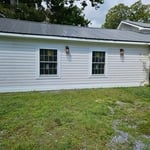
Siding finished
Prep work
Finished wall
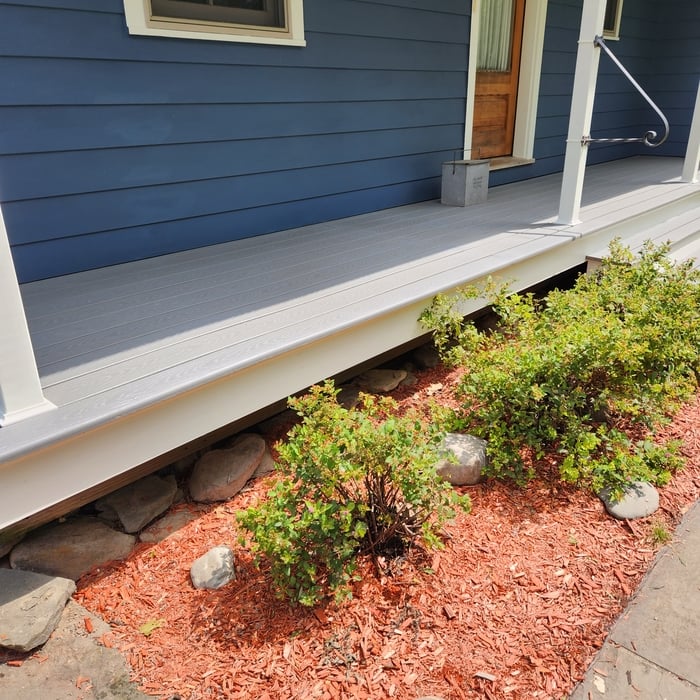
Front Porch

+8

Response time4 hrs
Response rate89%
1 neighbors recently requested a quote
White Stone Painting
4.9(
13
)
Drywall - RepairDrywall - Repair - For Business

Serving Philmont, NY and surrounding areas

In business since 2010

Free estimates

Warranties offered

"Andrew Wells has been a gift from God for my dire situation. I have an extremely old house which needs extensive repairs, and through Home Advisor's recommendation I hired Andrew Wells to repair numerous holes in the soffit to prevent bats and squirrels from entering my attic. So far, he has done an incredible job! I am so impressed by his honesty and devotion and reasonable prices that I intend to hire him for future repairs/work. He truly is a blessing to the field of contracting and I am most grateful that I found him through Home Advisor. Thank you!!!"
 Exterior and new porch
Commercial Expansion
 Den Refresh
  Exterior and new porch
Commercial Expansion

+27

Recommended by100%of homeowners
...
Showing 1-10 of 94
Drywall questions, answered by experts

You should always hang drywall from the top down. Starting at the top makes it easier to create a straight, tight line between the ceiling and the wall. Any gaps that occur will be at the bottom, where they are easier to manage. You can either cut the bottom piece of drywall to fit the remaining space or cover the gap with baseboard trim. Additionally, starting at the top is physically easier, as you won't have to fit the top sheet into a tight space between the lower sheet and the ceiling, or try to balance the upper sheets on the lower ones while securing them.

Plaster is denser, harder, and more porous than drywall, so it absorbs moisture differently. This means you’ll often need more prep work, such as thorough sanding, patching, and priming with a high-quality bonding primer. Additionally, you may need more coats of paint to achieve even coverage. While the process takes more time, it helps ensure a durable and professional-looking result.

If you only have tiny holes in your drywall (for example, dents or nail marks), you probably won’t need a patch kit. Instead, you can plug the hole with a small amount of spackle. Once the spackle dries, you can sand the area and paint over it—just like you would in the steps outlined above.

Although they have similar applications, spackle and joint compound are not the same. Their primary differences lie in their composition, consistency, and ideal use cases.

Spackle is composed of gypsum and binding agents, making it thicker than joint compound. It dries quickly and is easy to sand, which makes it ideal for small wall repair projects like filling nail holes or patching minor damage.

Joint compound, also known as drywall mud, consists of limestone and gypsum. It is primarily used for large-scale projects, such as taping and finishing the seams on newly installed drywall. It tends to shrink more than spackle and can be more difficult to spread.

While both products can be used to fill small depressions and cracks, spackle cannot replace joint compound for taping and mudding new drywall. Conversely, you can often use joint compound for small patching jobs typically done with spackle.

Yes, you can install drywall over plaster, but there are important factors to consider. While it can create a smooth, flat surface, it is often not the best approach. Installing drywall over plaster will increase the wall's thickness, which can cause issues with existing window and door frames that may no longer fit. You might also need to adjust power outlets to keep them accessible. A better, though more expensive, option is to remove the old plaster and lath entirely before installing new drywall. Drywalling directly over plaster seals in the old material, and if any problems arise later, you will need to remove both layers down to the structural beams for repairs. Given the potential complications, this job is best handled by professionals.

The Philmont, NY homeowners’ guide to drywall services

From average costs to expert advice, get all the answers you need to get your job done.