



Top-rated drywall pros.

Best drywall pros near Old Chatham, NY

Enter your zip and get matched with up to 5 pros

Need a pro for your drywall service project in Old Chatham, NY?

Select your specific project to find the pro for you.

TRUSTED BY OLD CHATHAM, NY HOMEOWNERS

  • Average homeowner rating star icon4.6
    Average homeowner rating
  • Verified reviews icon25
    Verified drywall services reviews

Top-Rated Drywall pros in Old Chatham - Updated Nov 2026

Avatar for Precision Drywall, Inc.
Precision Drywall, Inc.
5.0(
12
)
Drywall - InstallDrywall - Install - For Business

Serving Old Chatham, NY and surrounding areas

Approved

In business since 2013

Free estimates

Small jobs welcome

"We’ve had the pleasure of working with Precision Drywall for many years, and they continue to be an outstanding partner on every project. Their professionalism is evident from start to finish—they communicate clearly about scheduling, arrival times, and any issues they encounter along the way. They’re always willing to work through timing or coordination challenges with us, and we can count on them to complete their work efficiently and on schedule. The job site is consistently left clean and organized, which is a huge plus in keeping our projects running smoothly and our customer’s happy. This is truly a reliable, skilled, and well‑run business. We highly recommend them and look forward to continuing our partnership for many projects to come."
1 neighbors recently requested a quote
Recommended by50%of homeowners
Avatar for ALBYMAR Drywall treatment
ALBYMAR Drywall treatment
4.8(
17
)
Drywall - InstallDrywall - Repair

Serving Old Chatham, NY and surrounding areas

Approved

Free estimates

Emergency services offered

Warranties offered

"Great work, very professional, friendly, and overall a pleasant gentleman to work with. Hired him to drywall two full bedrooms. Unintentional made him have to some framing due to work I did (sorry about that). He took it in stride.. Wish I could do half stars, I would give him 4.5 stars out of 5. The reason being, there was a drywall that wasnt installed in an out of sight part of one closet. I will easily install myself, but for transparency I thought I mention it. Would 100% hire him again if I have the chance."
Camp House
Camp House
Camp House
Camp House
Camp House

+1

17 neighbors recently requested a quote
Avatar for 2M PROPERTY SOLUTIONS CORP
2M PROPERTY SOLUTIONS CORP
5.0(
11
)
Drywall - Install

Serving Old Chatham, NY and surrounding areas

Approved

Free estimates

Credit card accepted

Offers commercial services

"Did multiple projects for us…currently installing drainage system in front of my garage! Meticulous and thorough in every detail! Many more upcoming projects planned including retaining wall and flooring install Very hard worker!"
3 neighbors recently requested a quote
Avatar for Mr. K's Painting
Mr. K's Painting
4.7(
20
)
Drywall - RepairDrywall - Install

Serving Old Chatham, NY and surrounding areas

Approved

In business since 2019

Free estimates

Emergency services offered

"Mr K is respectful and honest. He treats the project as if he was doing it for his home or for a family member. He keeps you updated on things and lets you know the planned steps. Also doesnâ t leave a mess and is respectful of your home."
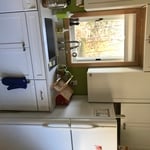
Apartment Kitchen
Apartment Kitchen 2
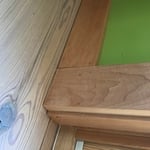
Custom stained trim board and pickled floor
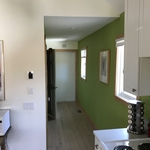
Hallway
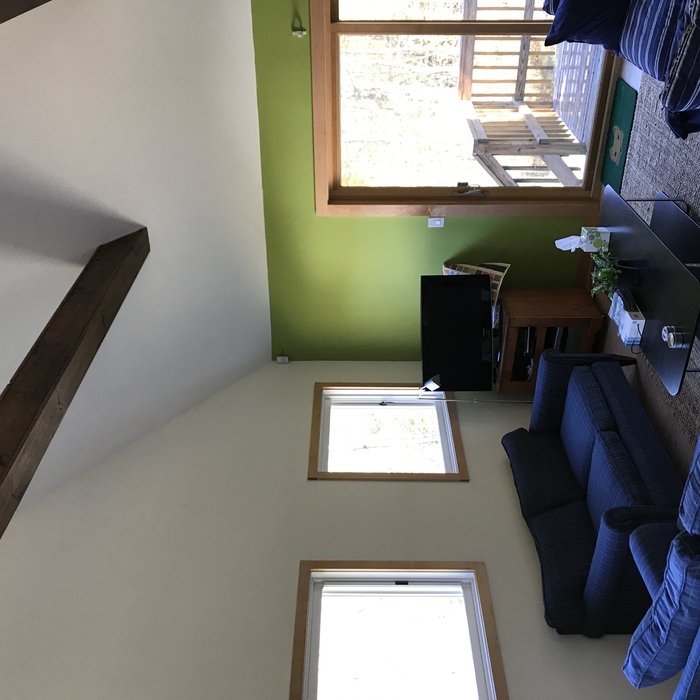
Living room

+9

Response time11 hrs
17 neighbors recently requested a quote
Recommended by95%of homeowners
...
Showing 1-10 of 109
Drywall FAQs, answered by experts

Although they have similar applications, spackle and joint compound are not the same. Their primary differences lie in their composition, consistency, and ideal use cases.

Spackle is composed of gypsum and binding agents, making it thicker than joint compound. It dries quickly and is easy to sand, which makes it ideal for small wall repair projects like filling nail holes or patching minor damage.

Joint compound, also known as drywall mud, consists of limestone and gypsum. It is primarily used for large-scale projects, such as taping and finishing the seams on newly installed drywall. It tends to shrink more than spackle and can be more difficult to spread.

While both products can be used to fill small depressions and cracks, spackle cannot replace joint compound for taping and mudding new drywall. Conversely, you can often use joint compound for small patching jobs typically done with spackle.

A common cause of separation between a wall and the ceiling is truss lift—this can happen to the ceiling of rooms directly under the attic when the seasons change and wood building materials dry out, shrink, and shift. Roof trusses often dry out at different speeds, and if the bottom pieces dry out faster than the top pieces, they can shrink and pull the attached drywall away from ceilings and walls, causing cracks. Fortunately, truss lift is only a cosmetic problem, not a structural problem, and you can fix it by separating the ceiling drywall from the roof trusses, and patching the cracks.

You do not need to drywall over most types of garage insulation. However, doing so can increase noise reduction, make the space more attractive, and keep children and pets from touching harmful fiberglass insulation. If you’re using cellulose or some other type of blown-in insulation (fiberglass and mineral wool are common), you will need drywall to contain the insulation material.

Whether a drywall anchor can be reused depends on its material, type, and the method of removal. Plastic anchors, including expansion and self-drilling types, are generally designed for single use as they tend to break or deform upon removal. Metal anchors, such as toggle bolts, are more durable and may be reusable if they are not damaged during extraction. However, with toggle bolts, the toggle piece can fall into the wall cavity when the bolt is removed, making it difficult to retrieve. If an anchor is damaged during removal, for instance by having its head cut off, it cannot be reused regardless of the material.

You should do a little bit of sanding between adding coats of mud. Knock down any ridges or significantly imperfect areas through sanding, which should help you apply the next coat of mud smoothly. If your first coat of mud is pretty smooth after it dries, a quick sanding is all you’ll need. Don’t forget to wipe away any dust after each sanding process.

The Old Chatham, NY homeowners’ guide to drywall services

From average costs to expert advice, get all the answers you need to get your job done.