




Top-rated radon detection and reduction specialists.

Get matched with top radon detection and reduction specialists in Norwich, NY

Enter your zip and get matched with up to 5 pros

Need a pro for your radon detection and reduction project in Norwich, NY?

Select your specific project to find the pro for you.

Find Radon detection and reduction specialists in Norwich

Avatar for Professional Home Inspection Service, Inc.
Professional Home Inspection Service, Inc.
5.0(
5
)
Radon Gas - AbatementRadon Gas - Testing

Serving Norwich, NY and surrounding areas

Approved

Super Service Award Winner

In business since 2020

Free estimates

Warranties offered

"The most friendly and professional people to work with. Excellent communication, prompt service, and high quality work. They are a generous business, and really know their stuff. Customer satisfaction is their top priority, and this is a very satisfied customer."
Response time1 day
56 neighbors recently requested a quote
Recommended by60%of homeowners
Qualtek Testing Group, LLC
5.0(
1
)
Radon Gas - Testing

Serving Norwich, NY and surrounding areas

Approved

Free estimates

Emergency services offered

Credit card accepted

At our company, your satisfaction is our top priority. We are committed to completing every job to the highest standards, ensuring exceptional quality and service. Discover our range of services and reach out today to book your free estimate. Let us show you the difference our dedication can make!

1 neighbors recently requested a quote
Recommended by100%of homeowners
Churchill Environmental, Inc.
5.0(
1
)
Radon Gas - Testing

Serving Norwich, NY and surrounding areas

In business since 2002

Free estimates

Emergency services offered

We specialize in Asbestos, Mold, & Lead paint Inspections, Assessments, Air Sampling, Bulk Sampling, and Hazardous Materials Surveys. We also perform OSHA onsite Safety Inspection Services to ensure your employees are working safely. We pride our company on reliability, great communication, integrity, and quality work. We are experts in our trade and have been in business since 2002. We look forward to earning your business! Book with us online or feel free to give us a call today!

Response time2 days
Recommended by100%of homeowners
Showing 1-10 of 11
Radon Detection and Reduction questions, answered by experts

Your radon fan needs to operate 24/7 to be effective. The only time the fan isn't operating is during its replacement. Radon levels in the home can increase within hours if the fan stops working or something obstructs the stack vent. Fortunately, radon systems require no downtime maintenance between fan changes.

The fan that pulls the radon out of the air needs to run continuously, so you may see an increase in your electric bill once you install the mitigation system. Additionally, you may see an increase in your heating or cooling bills, as the fan can cause some loss of hot or cool air.

The lifespan of a radon mitigation system depends on the type of system and its maintenance. With proper care, a system can last for many decades. Passive systems tend to last longer as they have fewer components that require replacement. Active systems, which have more moving parts like fans, generally have a shorter lifespan. For instance, water filtration devices and active pressurization systems require more frequent maintenance. While the system as a whole is durable, the radon fan in an active system typically has a lifespan of 5 to 10 years and will need to be replaced. As long as the fan is working, the mitigation system should function correctly.

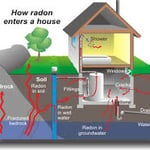
The soil beneath your house is most likely what’s causing an increased level of radon. This is because soil holds radioactivity for a long time and it’s also what most buildings are built on. Another common source of radon is water from a source that hasn’t been through periodic radon tests, such as well water. Over time, the radon from the soil can inhabit other parts of your house like the foundation or plumbing.

Keeping radon from getting into your home is much better than having to get rid of it once it's already indoors. While there may not be a way to fully prevent radon from getting into your home, there are things you can do to reduce the gas's ability to enter. 

Sealing foundation cracks and openings can help keep the gas from seeping inside. Improving air flow, such as by opening windows, can also be helpful. If you're building your home from scratch, talk to your contractor about using radon-resistant construction to keep the gas out.

The Norwich, NY homeowners’ guide to radon detection and reduction services

From average costs to expert advice, get all the answers you need to get your job done.