



Top-rated drywall pros.

Best drywall pros near North Collins, NY

Enter your zip and get matched with up to 5 pros

Need a pro for your drywall service project in North Collins, NY?

Select your specific project to find the pro for you.

Top-Rated Drywall pros in North Collins - Updated Nov 2026

Avatar for Canopy Home Projects
Canopy Home Projects
5.0(
4
)
Drywall - RepairDrywall - Install

Serving North Collins, NY and surrounding areas

Approved

Free estimates

Small jobs welcome

Credit card accepted

"I am still giddy over’s the job they did!!!!! I sincerely felt like a kid at Christmas when I looked at my yard!! They went way above and beyond, and even trimmed and pruned places I hadn’t asked them to do!! I would hire them again in a New York minute!! If you need anything done in your yard, and you don’t call this company, you are crazy!!!!!"
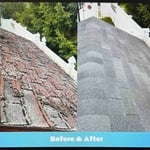
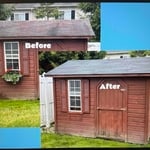
Shed Roof
Shed Roof
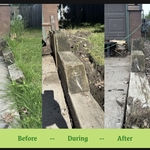
Stonescaping
Stonescaping
Stonescaping

+9

74 neighbors recently requested a quote
...
Showing 1-10 of 109
Drywall FAQs, answered by experts

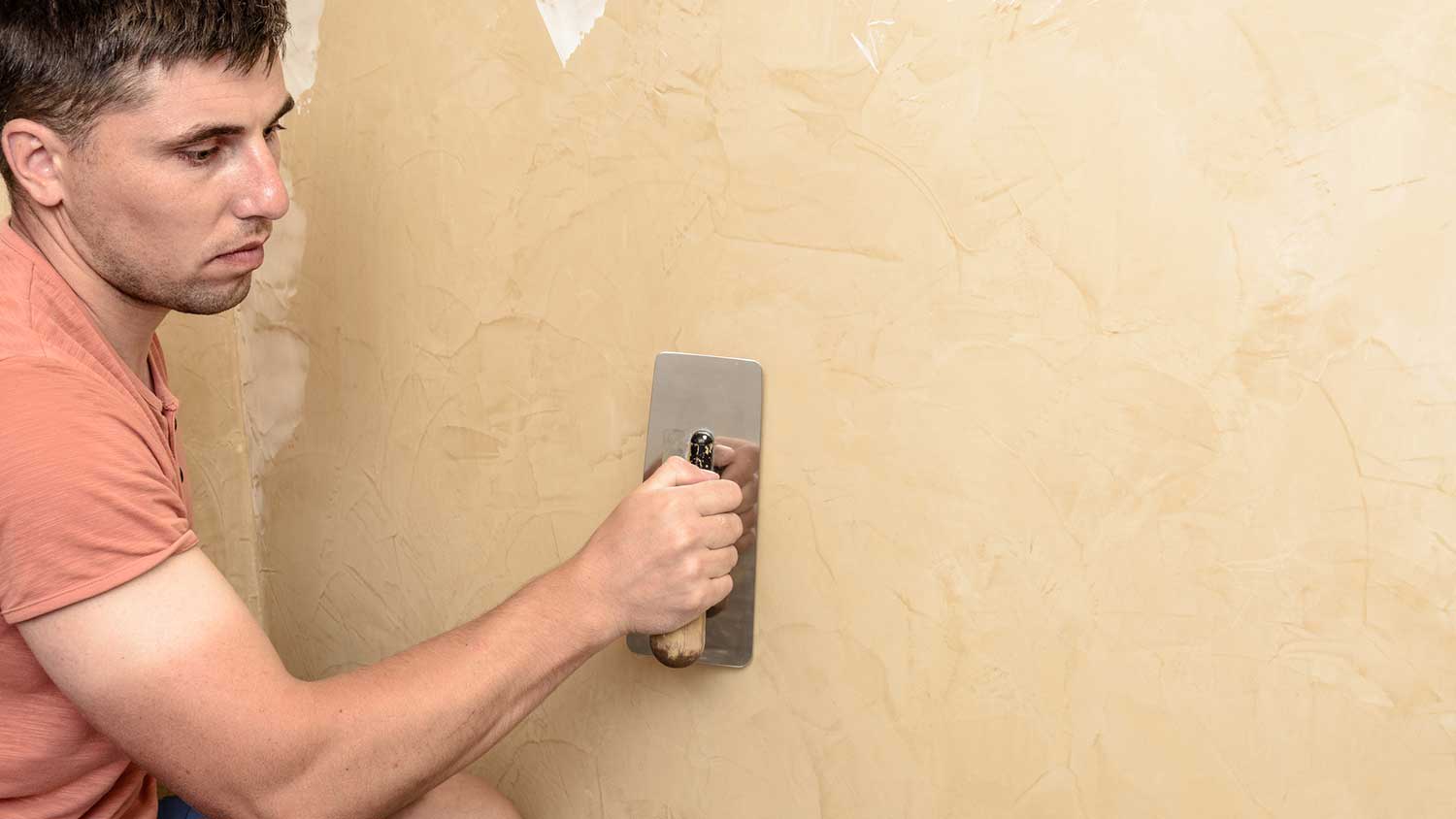
You can skim coat plaster, but it’s better to repair the plaster itself. A skim coat is a thin coat of drywall joint compound spread over the surface of a wall. The result is a flat finish that looks pleasing, but part of the appeal of plaster is its imperfections and aesthetic. Skim coating is best when limited to drywall applications.

Plastering and skimming are two different techniques for finishing walls. Plastering involves applying a thick layer of a plaster mixture—typically containing gypsum, lime, cement, sand, and water—to create a new surface. This process often requires multiple coats and is used for repairing significant damage or creating decorative textures. Skimming, on the other hand, is a technique that involves applying a thin layer of drywall compound or joint compound over an existing surface to smooth it out, covering minor imperfections, small cracks, or uneven textures for a polished look. Plastering is generally more costly and labor-intensive than skimming. Although some people use the terms interchangeably, they refer to different processes and materials.

While a normal moisture level for drywall is between 5% and 12%, replacement is recommended if you get consistent readings above 17%. At this level, the drywall is likely too compromised by extensive moisture damage to be considered safe. You can replace either the entire sheet or just the affected section. If you are unsure after a visual inspection, it is best to have a contractor or water restoration provider use a professional moisture meter to get an accurate reading.

The age of your home can clue you in to whether you have plaster or drywall ceilings. Homes built after the ‘70s are more likely to have drywall ceilings and walls, while older homes have plaster. You can also do the pushpin test: A pushpin will go into drywall, whereas it’s much harder to push one into a plaster wall. If you’re still unsure, ask a drywall professional to let you know which type of ceilings and walls you have.

The tool you use to sand plaster will depend on the size of the project. If you’re just working on a small section of your wall to get rid of an uneven spot on the surface, hand-sanding might work. However, for larger projects, a drywall sander can make a huge difference when it comes to both time and elbow grease—and an orbital sander can help for detailed areas such as around ceiling fans.

The North Collins, NY homeowners’ guide to drywall services

From average costs to expert advice, get all the answers you need to get your job done.