


Top-rated paving pros.

Get matched with top paving pros in Kendall, NY

Enter your zip and get matched with up to 5 pros

Need a pro for your paving service project in Kendall, NY?

Select your specific project to find the pro for you.

TRUSTED BY KENDALL, NY HOMEOWNERS

  • Average homeowner rating star icon4.5
    Average homeowner rating
  • Verified reviews icon37
    Verified paving services reviews

Find Paving pros in Kendall

Avatar for GB Paving, LLC
GB Paving, LLC
3.6(
9
)
Asphalt Paving - Install

Serving Kendall, NY and surrounding areas

Approved

In business since 2011

Free estimates

Credit card accepted

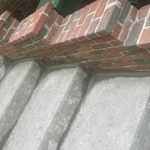
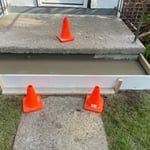
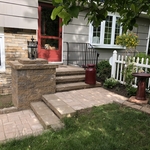
"My name is Michael, my front door steps to my home were crumbling ,discolored and badly need of repair ...someone may fall and sue my home insurance .I hired Mr.Greivin Vargas out of 4 contractors from Angie listing...Wow Greivin did a professional repair fortified the steps with rebar,use strong psi concrete 💪 the front door steps look beautiful my neighbors have complement the job done I extremely satisfied along with my wife.I would recommend Mr Greivin Vargas to do your next job on your home ...he's patient and listens to you ..I love that."
Response time1 day
29 neighbors recently requested a quote
Recommended by22%of homeowners
Showing 1-10 of 30
Paving Services questions, answered by experts

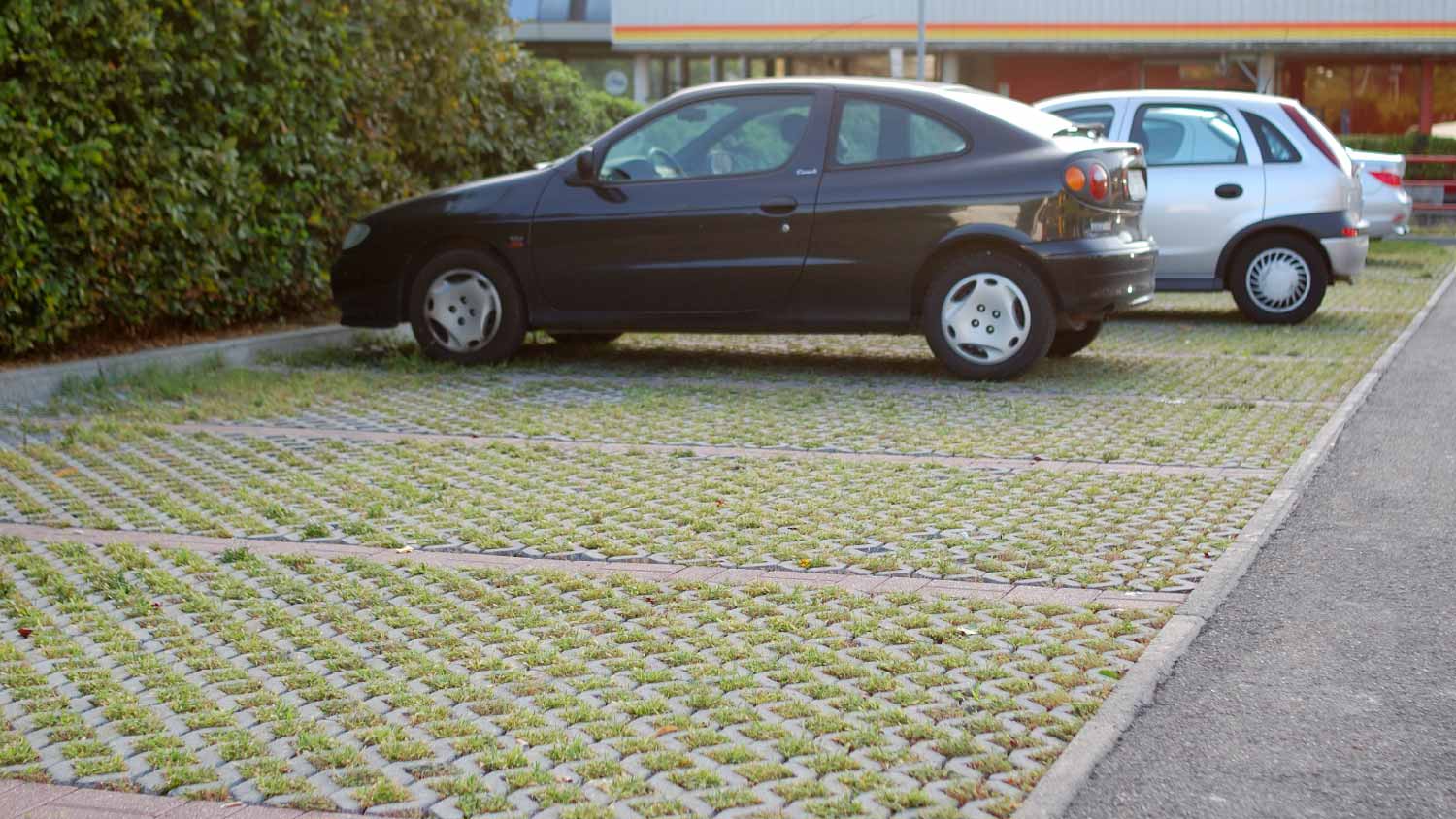
An example of permeable paving is a set of cinder blocks or natural stone pavers with room inside for natural materials, such as gravel, sand, or grass. You can also design these pavers with brick or plastic tiles.

In addition to these pavers, permeable pavement can be obtained by using a highly porous material, such as pervious concrete or pervious asphalt.

Generally speaking, tiles are for indoor use, while pavers are for outdoor use. The main difference between travertine tiles and pavers is their thickness. Tiles are around 1/2 inch thick, and pavers are 1 1/4 inches to 2 inches thick.

Pavers are more rugged and can handle different weather. The extra thickness on pavers also makes them ideal for high-traffic areas.

Professional installers often include a deep layer of crushed gravel under permeable pavers to allow more runoff to soak through into the soil below. Many installations will include multiple layers of gravel, with coarser aggregate at the base and finer aggregate that sits on top of that bottom layer. Above the gravel, you’ll often find coarse sand that helps reduce paver shifting over time. Some permeable paver designs include a water collection system set into the gravel layer to route runoff to a safe area for disposal.

Chip seal layers gravel and a liquid bitumen one at a time on-site, while asphalt directly pours a pre-combined mixture. Asphalt must be sealed, but it will last up to four times as long as chip seal driveways. Aesthetically, chip seal has a natural, rustic look compared to the traditional asphalt slab.

The ideal distance between stepping stones depends on your design preference. A general rule is to place them about 24 inches apart from center to center to match an average person's stride. Another common approach is to leave about 6 inches of space between the edges of each stone; this can be adjusted to fit the path's total length without cutting pavers. If you plan to plant between the stones, leave at least 6 to 8 inches of space to give the plants room to grow.

The Kendall, NY homeowners’ guide to paving services

From average costs to expert advice, get all the answers you need to get your job done.