





Top-rated fire pit installation pros.

Get matched with top fire pit installation pros in Hannibal, NY

Enter your zip and get matched with up to 5 pros

Need a pro for your fire pit installation project in Hannibal, NY?

Select your specific project to find the pro for you.

TRUSTED BY HANNIBAL, NY HOMEOWNERS

  • Average homeowner rating star icon4.6
    Average homeowner rating
  • Verified reviews icon12
    Verified fire pit installation services reviews

Find Fire pit installation pros in Hannibal

Avatar for A second set of hands
A second set of hands
New to Angi
Handyman for Multiple Small Projects

Serving Hannibal, NY and surrounding areas

Approved

Free estimates

Emergency services offered

Small jobs welcome

Reliable, detail-oriented, and committed to quality, I provide professional handyman services designed to make your home projects stress-free. With experience in a wide range of repairs and improvements—from small fixes to larger projects—I take pride in delivering workmanship you can trust.\n\nWhether it’s plumbing, electrical work, carpentry, painting, or general maintenance, I approach every job with care, precision, and respect for your home. I show up on time, communicate clearly, and make sure the job is done right the first time.\n\nMy goal is simple: to provide dependable service, fair pricing, and results that last. No project is too small, and your satisfaction is always my priority.\n

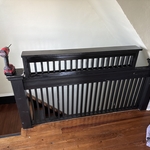
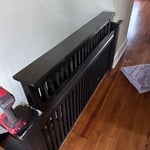
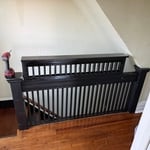
Naples NY railing
Naples NY railing
Naples NY railing
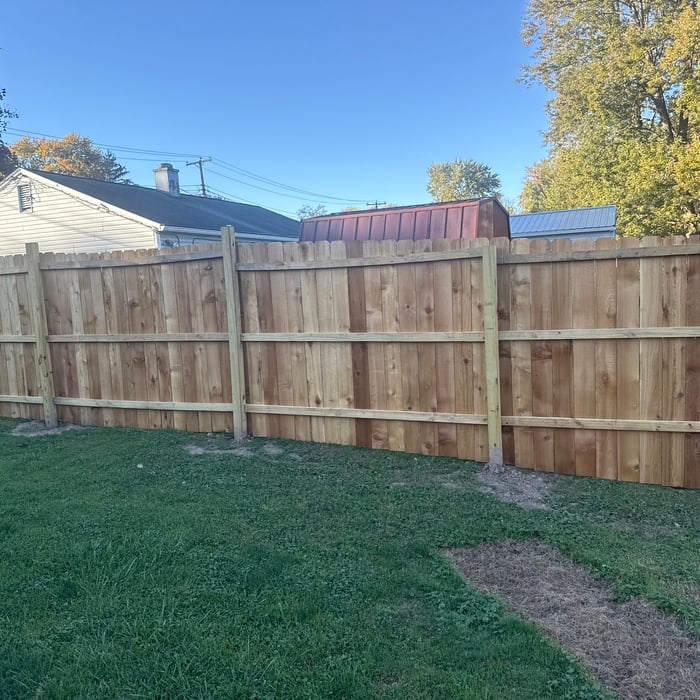
Fence
Fence

+7

...
Showing 1-10 of 79
Fire Pit Installation questions, answered by experts

While a hot fire can help heat up and loosen tar within your chimney, making it a recommended step before using a creosote log, it will not burn off significant existing buildup on its own. Attempting to remove built-up creosote with a hot fire is dangerous and can cause a chimney fire. For safe and effective removal of caked-on creosote, the best approach is to hire a professional chimney sweep.

A spark arrestor is not the same as a chimney cap. Both sit on the top of the chimney. However, the cap keeps debris from entering the chimney, and the spark arrestor’s primary function is to prevent burning embers from escaping. Some spark arrestors are integrated into the chimney cap, and others are installed separately.

Generally, an oil furnace is considered safer than a gas furnace for several reasons. While both types of furnaces can produce carbon monoxide, a leak in an oil furnace is easier to detect due to the smell. Oil furnaces also don't connect to a gas pipeline, which reduces the chance of a fuel leak. Most importantly, heating oil is not combustible, whereas natural gas is highly flammable. This means there is a much lower risk of combustion or explosion with an oil furnace. However, an oil furnace can still pose a fire hazard if it tips over.

Short circuits can cause fires, electrical burns, and electrocution, which can lead to serious injury or even death. That’s why it’s important to take preventative measures to prevent short circuits, like getting annual electrical maintenance and an electrical inspection every two to five years, depending on the age of your home.

No. Pellet stoves are specifically designed to burn manufactured wood or biomass pellets. Attempting to burn other materials, such as regular firewood or paper products, can damage the stove, compromise its efficiency, and even pose safety hazards due to inconsistent combustion and increased emissions. It's crucial to follow manufacturer guidelines and only use pellets that are specifically recommended for your pellet stove model to ensure safe and optimal performance over its life span.

The Hannibal, NY homeowners’ guide to fire pit installation services

From average costs to expert advice, get all the answers you need to get your job done.