


Top-rated arborists.

Best arborists near Fayette, NY

Enter your zip and get matched with up to 5 pros

Need a pro for your arboricultural service project in Fayette, NY?

Select your specific project to find the pro for you.

TRUSTED BY FAYETTE, NY HOMEOWNERS

  • Average homeowner rating star icon4.2
    Average homeowner rating
  • Verified reviews icon155
    Verified arboricultural services reviews

Top-Rated Arborists in Fayette - Updated Nov 2026

Avatar for Emmett Tree Service
Emmett Tree Service
5.0(
7
)
Tree RemovalTree Trimming

Serving Fayette, NY and surrounding areas

In business since 2024

Free estimates

Emergency services offered

"Great experience from start to finish. The team was professional, quick, and careful with my property. They did excellent work and cleaned everything up perfectly. Fair pricing and friendly service. Highly recommend!"
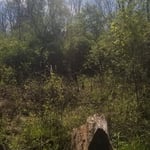
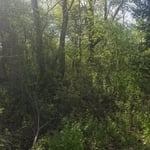
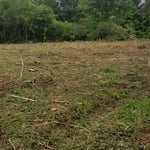
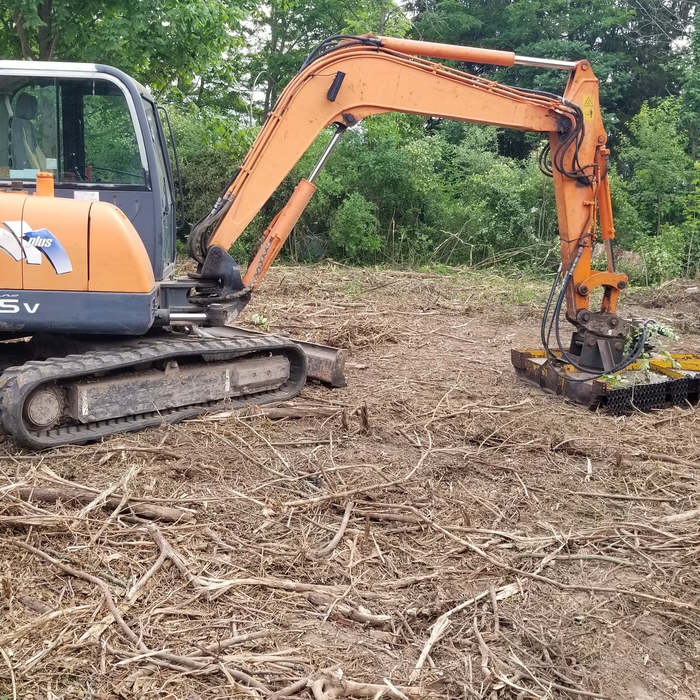
Land clearance
Land clearance
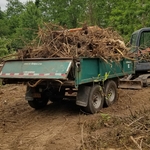
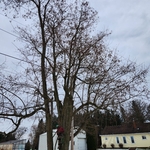
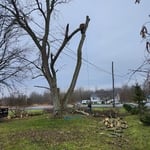
Tree removal
Tree removal
Response time10 mins
Response rate100%
Millers Remodeling
4.1(
17
)
Tree Stump - RemoveTree TrimmingTrees and Shrubs - Trim or Remove

Serving Fayette, NY and surrounding areas

In business since 1994

Free estimates

Emergency services offered

"I am happy to recommend Miller Remodeling for an excellent fence construction project done for us. They were dependable, courteous, thorough and hardworking. They gave us prompt and competent service even in trying weather conditions . We would definitely utilize their services again."
Before
Basement completed
Fence completed
after
Recommended by100%of homeowners
Showing 1-10 of 44
Arborists FAQs, answered by experts

Some trees, such as silver maples, birches, sycamores, and scotch pines, shed their bark naturally. If your tree is not one that does this, it might have fallen prey to pests, fungi, or diseases. It could also simply be suffering from an extreme weather change, such as a snowstorm or heat wave. If you’re still stumped, consulting with a pro can help you diagnose your tree’s specific problem.

Trees don’t usually grow back after being cut down. Some particularly robust tree species may start sending up new stems from a stump to recover, but those stems won’t become a “tree” like before. Generally, trees don’t recover from being entirely cut down, which is why it’s important to be careful when making a decision. When you cut down a tree, it’s a good idea to make plans to remove the stump, even if it’s unlikely to grow back.

After a big storm, you may not be sure if a tree was struck or not. Look for the telltale long scars, like strips or gouges in the bark of the tree, running in sometimes jagged lines down the length of the trunk. These scars will often show vulnerable living wood inside the tree. It’s also common to see scorched or wilted leaves on the side or top of the tree where lightning struck.

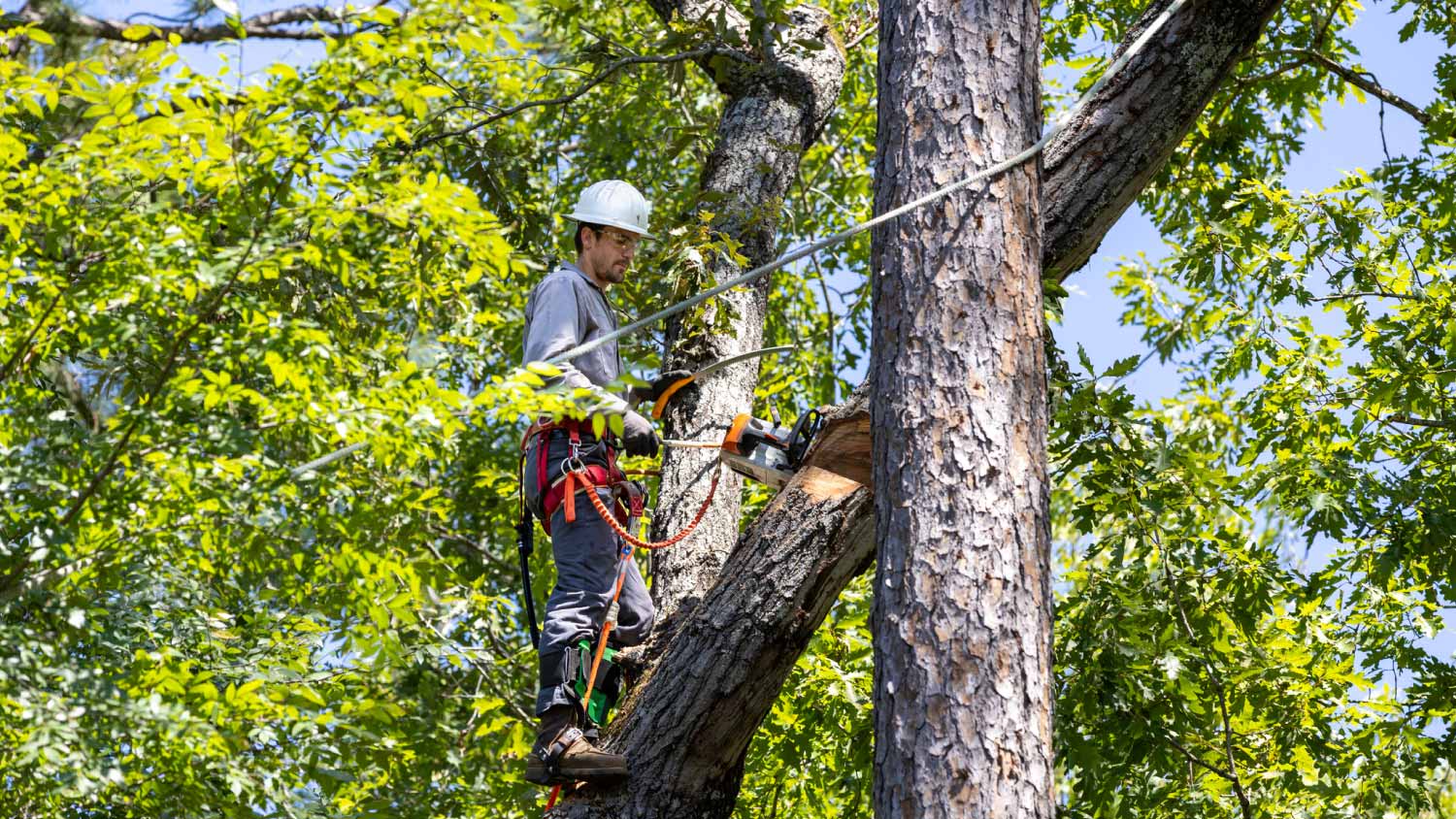
The best tools for tree removal include a chainsaw for large trees, an ax for notching and cutting down small trees, and a wedge to help control the direction a tree falls in. A hatchet can be useful for very small trees, but won’t be effective for medium to large trees. 

You should avoid cutting off the top of mature cherry trees. This process is called tree topping, and it’s not recommended for cherry trees—or any trees, for that matter. Tree topping removes between one-third to half of the length of the tree trunk, resulting in structurally unsound, fruitless suckers. The only exception is for saplings. Young pie, sour, and tart cherry trees that are over 30 inches tall in the fall or winter before the tree blooms can benefit from heading cuts.

The Fayette, NY homeowners’ guide to arboricultural services

From average costs to expert advice, get all the answers you need to get your job done.