


Top-rated excavation pros.

Best excavation pros near Dunkirk, NY

Enter your zip and get matched with up to 5 pros

Need a pro for your excavation project in Dunkirk, NY?

Select your specific project to find the pro for you.

Top-Rated Excavation pros in Dunkirk - Updated Nov 2026

Avatar for Bravestone construction
Bravestone construction
New to Angi
Landscape - Minor Grading or Resloping

Serving Dunkirk, NY and surrounding areas

Approved

Free estimates

Emergency services offered

Warranties offered

At Bravestone Construction, we provide reliable, high-quality construction and maintenance services for both residential and commercial clients. Our team is built on integrity, skilled craftsmanship, and a commitment to getting every job done right.\n\nFrom home improvements to commercial projects, we focus on efficiency, clear communication, and lasting results—no matter the size of the job.\n\nConsistency in service. Confidence in every result.\n

...
Showing 1-10 of 60
Excavating FAQs, answered by experts

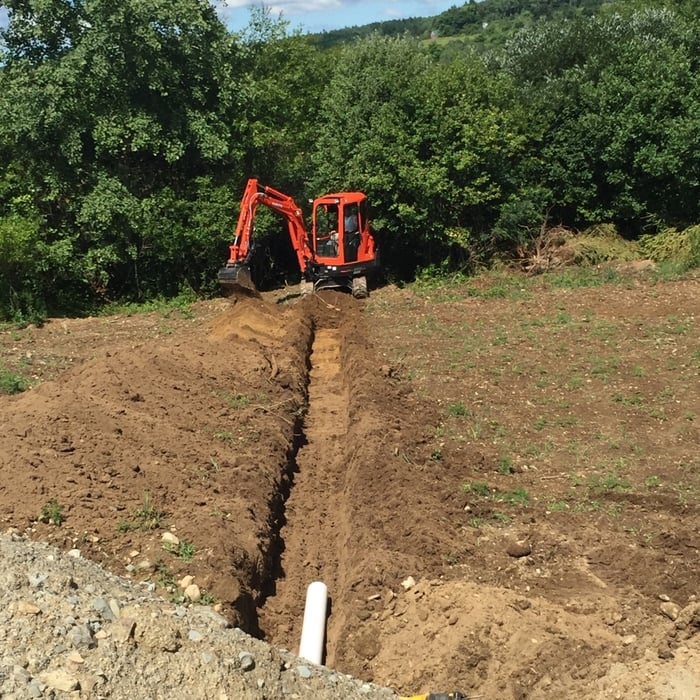
Trenches are typically 12 to 24 inches deep and 8 inches wide. However, the required depth depends on the specific project and local ordinances. For example, a French drain may need to be 18 inches deep, while a water pipe might require a depth of 24 inches and a drainage pipe 36 inches. Your city or county may have specific regulations, so it's wise to consult with an excavation professional to determine the correct depth for your project.

No, you typically cannot use metal detectors to find your sewer line. Most sewer lines are made of non-metallic materials such as PVC, clay, or cast iron, which are not detectable by standard metal detectors. Metal detectors are designed to locate metallic objects, so they won't be effective for identifying the path of a non-metallic sewer line. To locate your sewer line accurately, it's best to use other methods.

Yes. A metal detector is one of the quickest and easiest ways to find your septic tank. However, metal detectors can be too expensive (costing upward of $300 in some cases), and not everyone has a metal detector just lying around. If that’s the case for you, you can also take a long metal rod and poke it into the ground at regular intervals until you hit something—likely your septic tank lid.

To locate an underground downspout, you should start by identifying where the above ground gutter drains. Look for an entry point, such as a pipe or elbow leading into the ground. Follow the surface path for signs like depressions, landscaping disruptions, or wet areas after rain. You can use a metal detector or plumber’s snake to trace the pipe underground. For deeper pipes, a professional locator tool or camera inspection may be necessary. Visual markers or utility maps can also guide the search.

Consultation with the local government helps identify necessary permits, avoid project delays or legal issues, and protect project integrity.

The Dunkirk, NY homeowners’ guide to excavation services

From average costs to expert advice, get all the answers you need to get your job done.