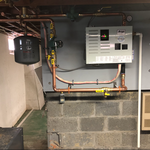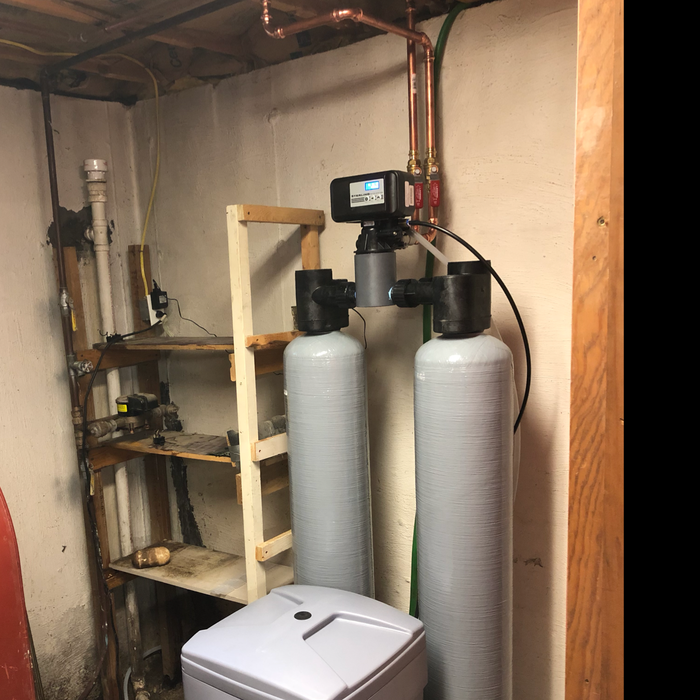



Top-rated boiler installation pros.

Get matched with top boiler installation pros in Champlain, NY

Enter your zip and get matched with up to 5 pros

TRUSTED BY CHAMPLAIN, NY HOMEOWNERS

  • Average homeowner rating star icon4.6
    Average homeowner rating
  • Verified reviews icon29
    Verified boiler installation services reviews
Install Boiler questions, answered by experts

Unless they are connected to the same system, boilers and water heaters will both need their own expansion tanks. The only case they wouldn’t have separate expansion tanks is if the boiler is pulling double duty and managing a heating system while also supplying hot water for a home. In which case, you may not need a hot water heater.

Some high-quality steam boilers come with 10-year warranties, but a well-installed, properly maintained model can last at least 20 to 25 years. Learning how to clean a boiler, getting an annual professional service, and keeping up with maintenance and repairs on your heating system are all important for getting the most out of your model. 

The average lifespan of a boiler is typically between 15 and 20 years, though some may last for as little as 10 years while others can reach 30. A boiler's longevity is influenced by several factors, including the quality of the unit, proper installation, and consistent professional maintenance.

The material also plays a significant role. Older boilers made from durable cast iron can last for over 20 years, with some functioning for up to 50 years. However, it's important to consider their lower efficiency, which can lead to higher utility bills. Modern boilers, often made from steel alloys, are designed to withstand high pressure and temperatures and have an average lifespan of about 20 years.

To maximize your boiler's lifespan, ensure it is installed correctly, have it professionally maintained each year, and address any necessary repairs immediately.

In some cases, conversion kits are available, but not all boilers are compatible. Conversion may require significant modifications and should only be performed by a qualified professional. Before making a decision, compare conversion costs to the cost of a complete replacement to determine the most cost-effective and reliable option for your home.

In most cases, repairing a radiator is more affordable than replacing it. A typical repair may cost between $100 and $200, while a replacement can average $1,500, with a range of $250 to $2,500 depending on the unit type. Radiator issues are often simple fixes for a professional, such as a blown fuse, malfunctioning thermostat, or a loose valve, and can take less than an hour. However, if the long-term costs of fixing the radiator are higher than replacement, it's better to get a new model. It is recommended to consult a heating expert to diagnose the problem and determine the best solution for your situation.