


We provide cleaning service for these types.\nHouse cleaning \nOffice cleaning \nRestaurant cleaning \nPost construction cleaning \nMoving cleaning \n\n
Most DIY floor cleaners don’t require rinsing, but you’ll want to make sure you don’t add too much dish soap or oil to the cleaner to avoid having to rinse it after cleaning. For non-wood floors, mix 8 parts warm water, 1 part vinegar, and 1 part baking soda with a few drops of dish soap. For wood floors, use olive oil in that same mixture instead of the vinegar. You can let these solutions air-dry after cleaning your floors with them, although you should manually dry your floors if they aren’t waterproof.
Each flooring material has its own maintenance requirements and cleaning techniques. For example, hardwood floors may require occasional refinishing and specialized cleaning products, while vinyl and laminate are easy to clean with regular sweeping and mopping. Concrete and natural stone, on the other hand, may need periodic sealing to maintain their appearance and durability. Follow manufacturer recommendations and utilize appropriate cleaning methods to preserve the integrity of your chosen flooring material.
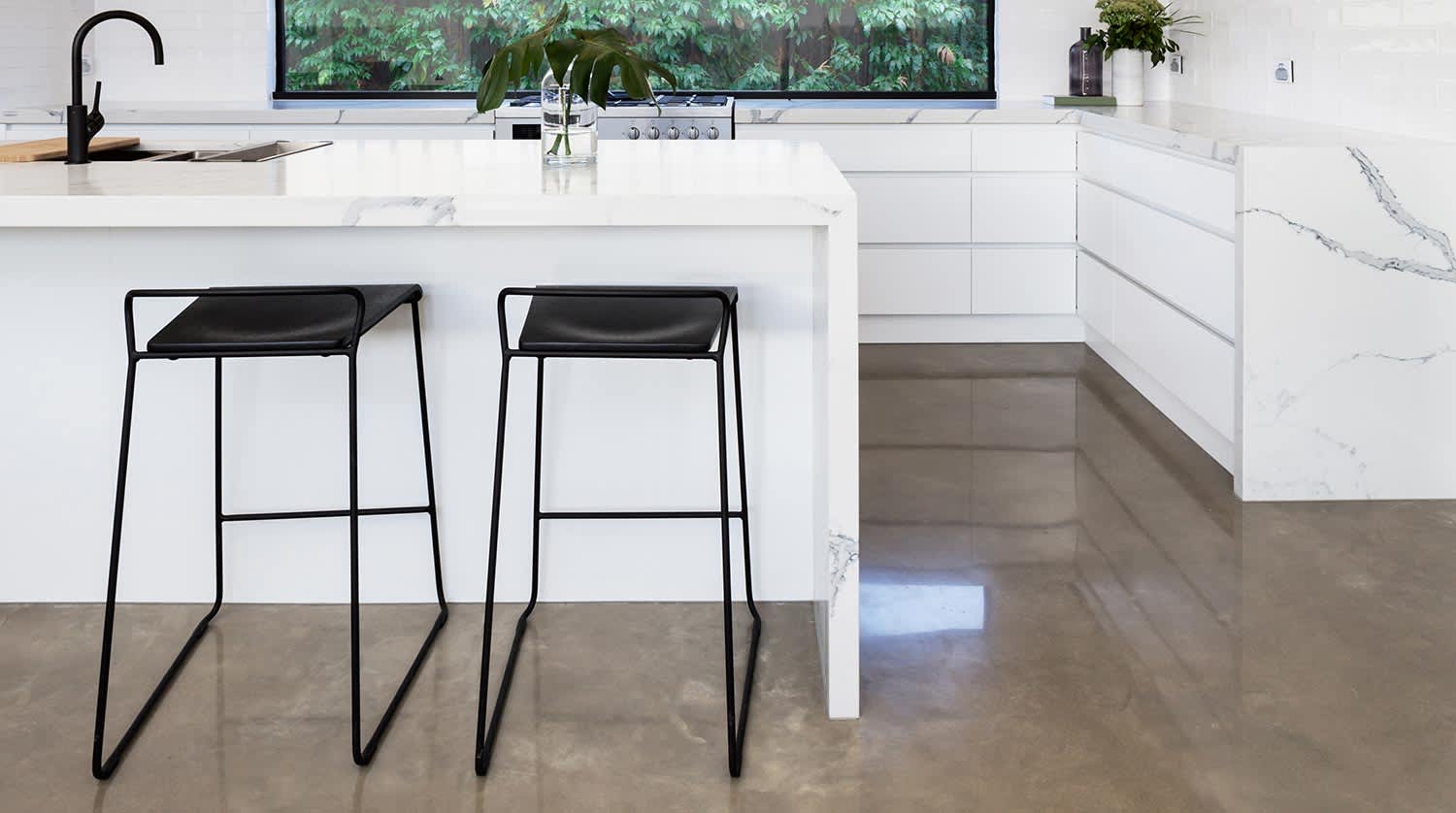
Commonly used in garages, epoxy is a synthetic resin coating that goes over the top of concrete surfaces. If you’re deciding between polished concrete and epoxy flooring, the best choice depends on your needs and personal preference. Epoxy is durable and highly customizable, while polished concrete tends to require less maintenance. They’re both long-lasting with similar price points, and professional installation is recommended for each.
Clean your vinyl plank floors at least one to two times per week with a broom, vacuum, or microfiber mop. You can save the mopping and disinfecting for your deeper cleans about two to three times a month. Keep in mind that if you find sticky spots, spills, or stains, it's best to take care of them ASAP.
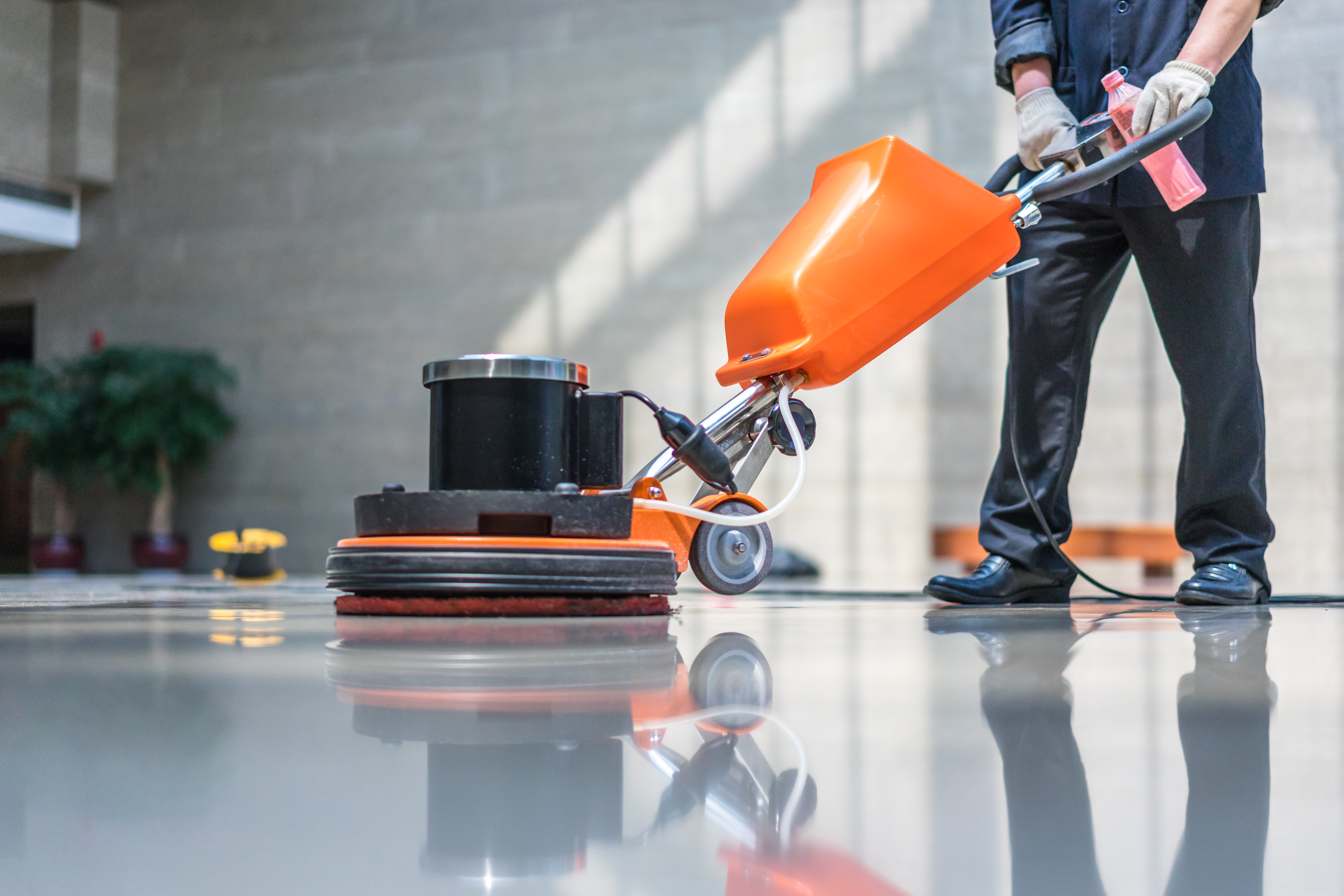
Both buffing and polishing increase the longevity of your floors by removing scratches and buildup, but they are different processes. Polishing removes the top layer of your floor, removing surface-level scuffs and scratches. Buffing your floor involves filling the scratches and scuffs with a buffing solution. No matter which method you choose, you can rest assured that both techniques will leave your floor looking shiny and new.
The Pioche, NV homeowners’ guide to floor polishing services
From average costs to expert advice, get all the answers you need to get your job done.
Polished concrete floor costs depend on the size of the area you’re targeting and the style of concrete floor. Our guide breaks down all the cost factors.
Hardwood floor repair costs depend on the problem. This guide breaks down common costs based on factors like the type of problem, repair method, and whether you hire a pro or DIY.
Faced with the shiny dilemma of polished concrete floors vs epoxy, you’ll need the details of cost, aesthetics, and durability to weigh and measure the winner.
With so many types of polished concrete floors to choose from, you should first learn about the classes of grinding, levels of polishing, and color options.