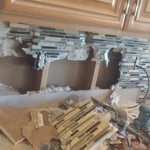
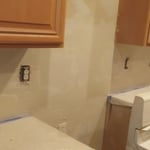
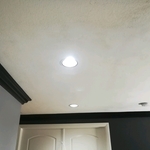
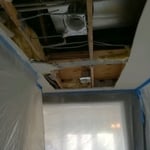
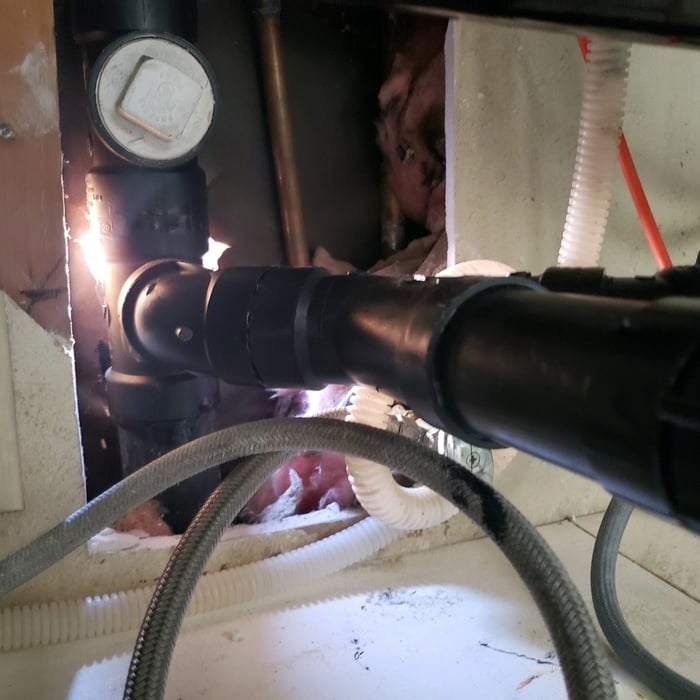
"2 of my properties needed a good facelift so I can put them on the market. I had the exterior and driveway of both (1 being 1 story the other 2 story) cleaned as well as the concrete in the backyard. They did an outstanding job. Will definitely be recommending them to others."
Paul's Drywall, we pride our company on reliability, great communication, integrity, and quality work. We strongly believe in giving our absolute best in all the work we perform. We are experts, and will always keep you educated about the work process. We look forward to earning your business!
Knowledge in general painting, residential inside and outside, knowledge in plastering and placement of Drywall light and large repairs, knowledge in the application of texture, basic knowledge of carpentry, electricity and plumbing, installation of doors, locks, fans, bathroom lights, lamps outside and inside houses, knowledge of gardening cleaning of patios of houses parking lots. And residential apartments, pruning and light irrigation repairs, repairs and installations of slanes for bathrooms and installations in general, vinyl installations, installations of closet and kitchen doors, light welding of water heater pipes, etc.
Plastering and skimming are two different techniques for finishing walls. Plastering involves applying a thick layer of a plaster mixture—typically containing gypsum, lime, cement, sand, and water—to create a new surface. This process often requires multiple coats and is used for repairing significant damage or creating decorative textures. Skimming, on the other hand, is a technique that involves applying a thin layer of drywall compound or joint compound over an existing surface to smooth it out, covering minor imperfections, small cracks, or uneven textures for a polished look. Plastering is generally more costly and labor-intensive than skimming. Although some people use the terms interchangeably, they refer to different processes and materials.
Look for flaking paint or air bubbles that burst and then flake away. Paint will begin to flake after being exposed to minimal moisture or water, so it’s a good indicator of any water damage. If you notice your paint starting to flake, feel the plaster underneath to see if it is soft or damp.
The allure of Venetian plaster lies in its unique appearance and individual characteristics in a home. It’s sophisticated and multidimensional and has a rich history dating back to Ancient Rome. This type of plaster finish is durable and represents a style of luxury that has been practiced for thousands of years. Many designers pair the texture of Venetian plaster with modern furnishings, resulting in an elegant and refined aesthetic.
If your home was built before the 1940s and was not remodeled in the past 50 or so years, you probably have plaster walls. Aside from assuming, there are some practical ways to tell if you have plaster walls, including the following: If you knock on the wall and it feels solid, not hollow, if you can’t insert a thumbtack easily, if there are cracks that look like spiderwebs, or if your home has curved, arched, or swirled walls, doorways, or window openings.
If you have an unfinished basement or attic, you could examine the backs of any finished walls to check, too.
All plaster walls will crack over time due to normal house settling and expansion and contraction from temperature and moisture changes. Small, thin hairline cracks are generally not serious and are mostly a cosmetic issue. However, larger or more significant cracks can indicate structural problems.
Here's how to tell the difference:
Cosmetic Cracks: Cracks that are 0.5 cm (0.2 inches) or thinner are typically cosmetic.
Structural Cracks: Cracks wider than 0.5 cm, excessive or deep cracks, multiple cracks in the same area, or cracks that span around corners can signify a structural or foundation issue. Cracks along the joints where walls meet the ceiling also warrant attention.
For cracks wider than 0.5 cm, structural repair is needed. If a crack is 2.5 cm (1 inch) or wider, or if you notice any signs of a structural problem, it is best to contact a plaster repair professional to assess the damage.
The Moapa, NV homeowners’ guide to plaster repairs
From average costs to expert advice, get all the answers you need to get your job done.
Venetian plaster can add depth and texture to your aesthetic. Learn how much Venetian plaster costs based on factors like square footage and whether you hire a pro to help.
You can find plaster walls in a lot of older homes. What’s behind these walls—whether that’s lath or calcimine—can have an impact on how long they last. Finding out the age of your house can help you determine what you’re dealing with.