



Top-rated radon detection and reduction specialists.

Get matched with top radon detection and reduction specialists in Dayton, NV

Enter your zip and get matched with up to 5 pros

Need a pro for your radon detection and reduction project in Dayton, NV?

Select your specific project to find the pro for you.

Find Radon detection and reduction specialists in Dayton

24 Hour Flood Pros, LLC
0.5(
1
)
Radon Gas - AbatementRadon Gas - Testing

Serving Dayton, NV and surrounding areas

In business since 2021

Free estimates

Credit card accepted

We have the experience and we are committed to providing quality workmanship and superior customer service on all our applications. We at Eagle Fencing strive to maintain our reputation as a high quality, very service oriented company with our main focus being customer satisfaction.\n\nwww.24floodpros.com

Response time2 hrs
Radon Detection and Reduction questions, answered by experts

No level of radon is technically safe, but since it is naturally present everywhere, it is impossible to avoid entirely. The average radon level in homes across the United States is 1.3 picocuries per liter (pCi/L). The Environmental Protection Agency (EPA) recommends taking action to reduce radon levels if your home's test results are between 2 and 4 pCi/L or higher.

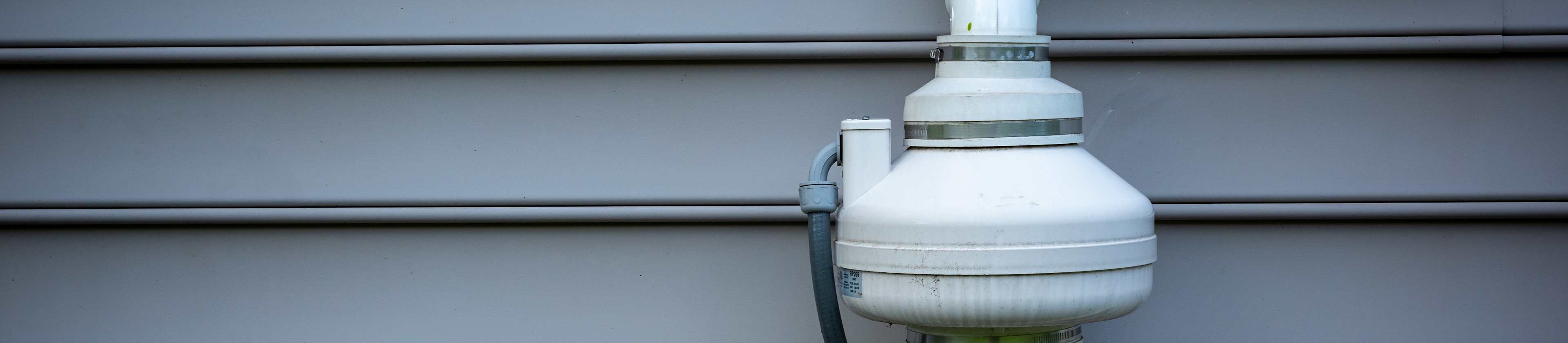
The cost to replace a radon fan ranges from $300 to $600 for the fan itself, with installation adding an additional $200 to $500. Overall, the total cost for replacement can range from $500 to $1,100, depending on factors such as the fan model, home size, and local labor rates. If the fan is part of a larger radon mitigation system, the price may be higher.

Keeping radon from getting into your home is much better than having to get rid of it once it's already indoors. While there may not be a way to fully prevent radon from getting into your home, there are things you can do to reduce the gas's ability to enter. 

Sealing foundation cracks and openings can help keep the gas from seeping inside. Improving air flow, such as by opening windows, can also be helpful. If you're building your home from scratch, talk to your contractor about using radon-resistant construction to keep the gas out.

Mitigation reduces radon levels, protecting your health and complying with safety standards.

You'll need to test your home for radon after installing the mitigation system, then again every two years. If radon remains elevated, contact a licensed radon professional, either the contractor who installed the system or a different one, and have them evaluate the system. They may need to make some changes to improve its effectiveness and performance.

The Dayton, NV homeowners’ guide to radon detection and reduction services

From average costs to expert advice, get all the answers you need to get your job done.