







•
Discover mosquito control service cost estimates, including average prices, key cost factors, and tips to save on professional mosquito treatments for your home.

 4.8
 26
*The Angi rating for Aquarium Service companies in Taos, NM is a rating based on verified reviews from our community of homeowners who have used these pros to meet their Aquarium Service needs.
*The HomeAdvisor rating for Aquarium Service companies in Taos, NM is a rating based on verified reviews from our community of homeowners who have used these pros to meet their Aquarium Service needs.
Last update on February 18, 2026
From average costs to expert advice, get all the answers you need to get your job done.
Discover mosquito control service cost estimates, including average prices, key cost factors, and tips to save on professional mosquito treatments for your home.

If you’re moving, you need to consider distance, weight, packing, and more. Our guide provides the average cost to move a 3-bedroom house long distance.
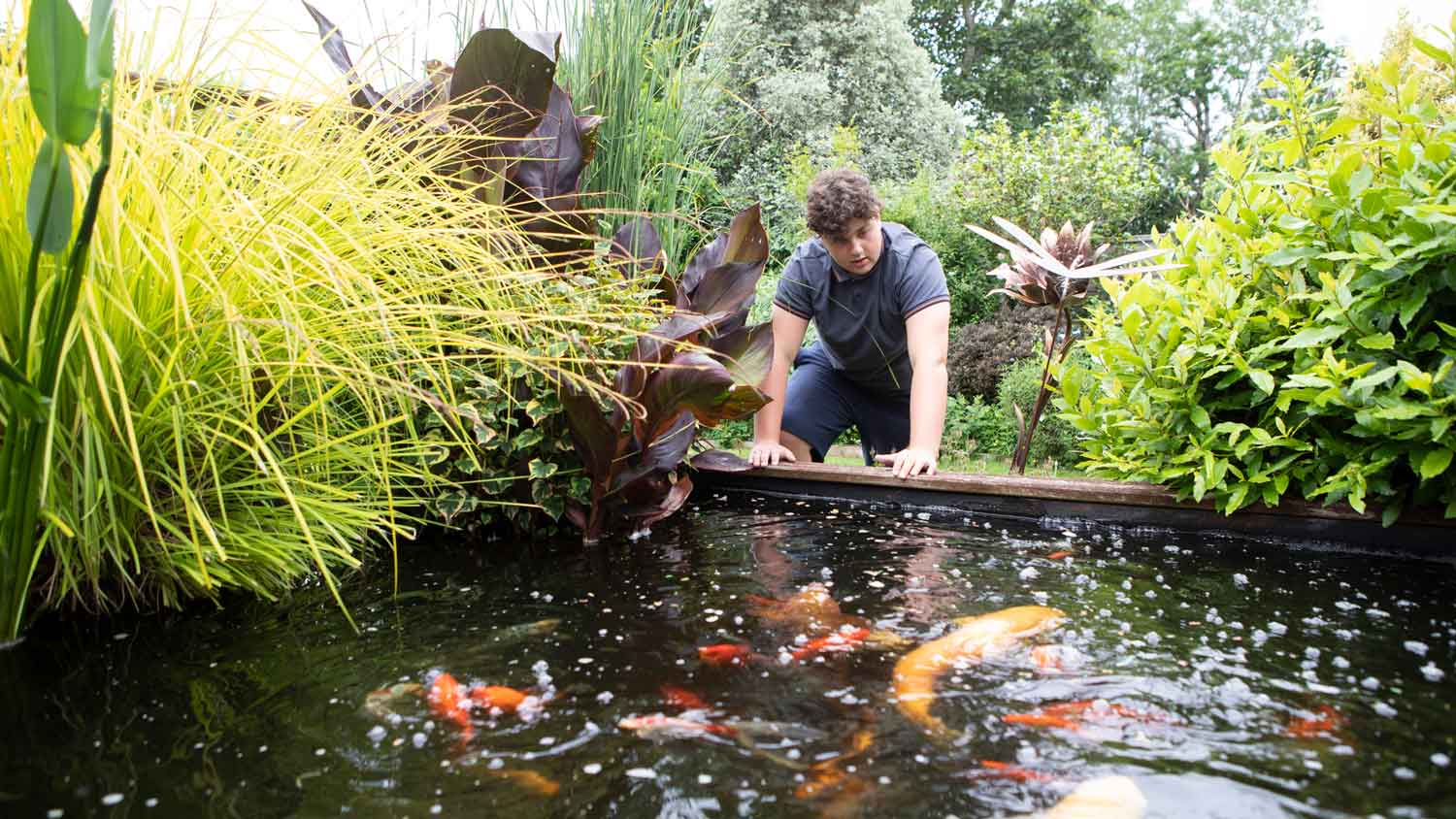
Discover how much it costs to stock a pond, including average prices, key cost factors, and tips to help homeowners plan their pond stocking project.
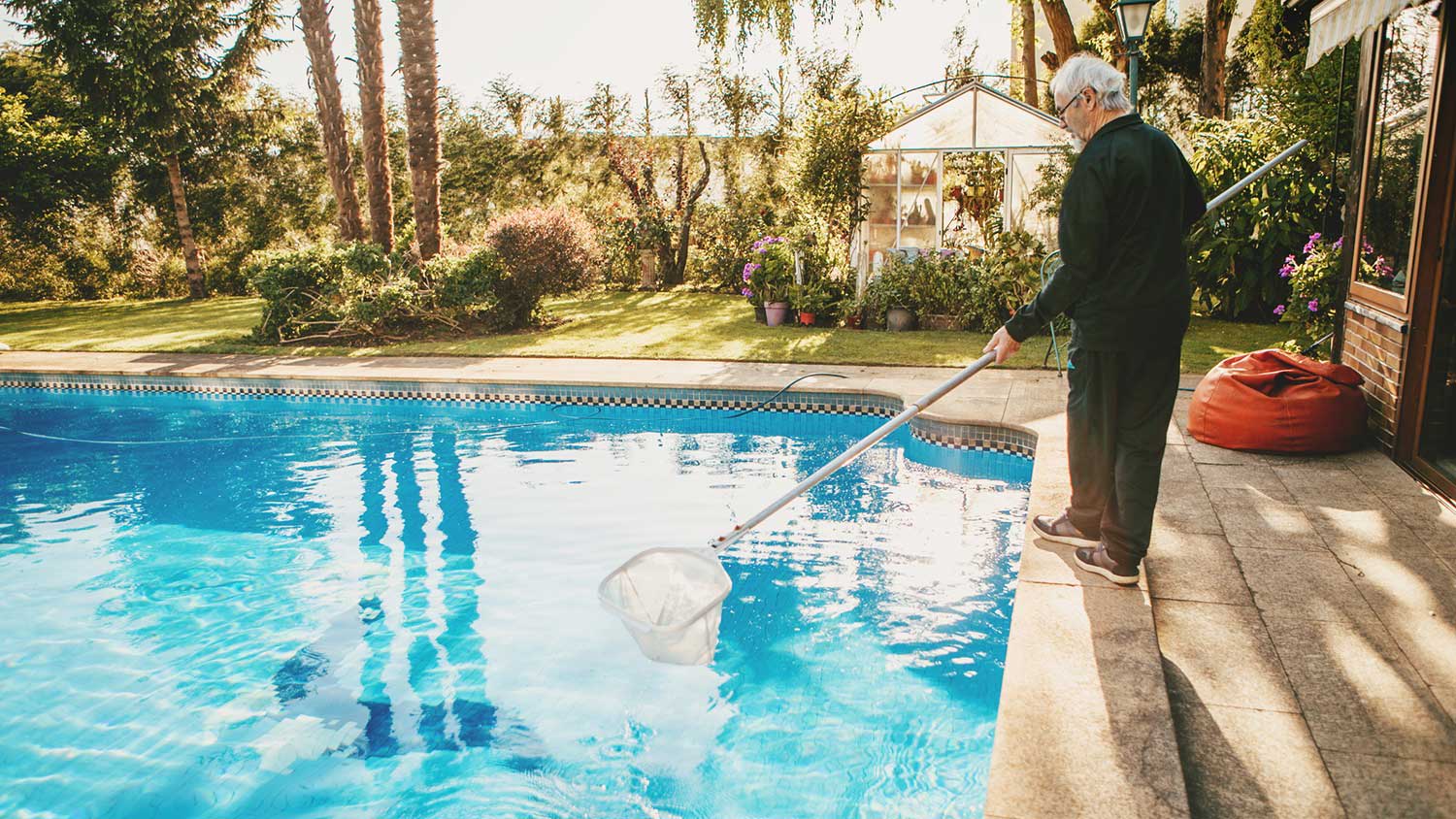
If you live in an area without very cold winters but tempted to close your pool during the cooler months, read on. We dive into the many benefits of winter service.

Learn about home items that are nearly impossible to move without movers, either because they are awkwardly shaped, too heavy, or require special equipment.

Moving an aquarium entails packing it securely, keeping your pets safe, and maintaining the balance of beneficial bacteria. Learn how to move a fish tank.