

Top-rated plant watering pros.

Best plant watering pros near Placitas, NM

Enter your zip and get matched with up to 5 pros

Need a pro for your plant watering project in Placitas, NM?

Select your specific project to find the pro for you.

TRUSTED BY PLACITAS, NM HOMEOWNERS

  • Average homeowner rating star icon4.4
    Average homeowner rating
  • Verified reviews icon602
    Verified plant watering services reviews

Top-Rated Plant watering pros in Placitas - Updated Nov 2026

Avatar for Evergreen505, LLC
Evergreen505, LLC
5.0(
1
)
Lawn Care - Maintain and Mow a Lawn

Serving Placitas, NM and surrounding areas

Approved

Free estimates

Emergency services offered

Warranties offered

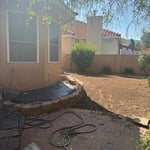
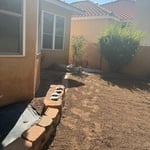
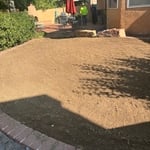
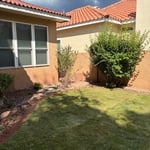
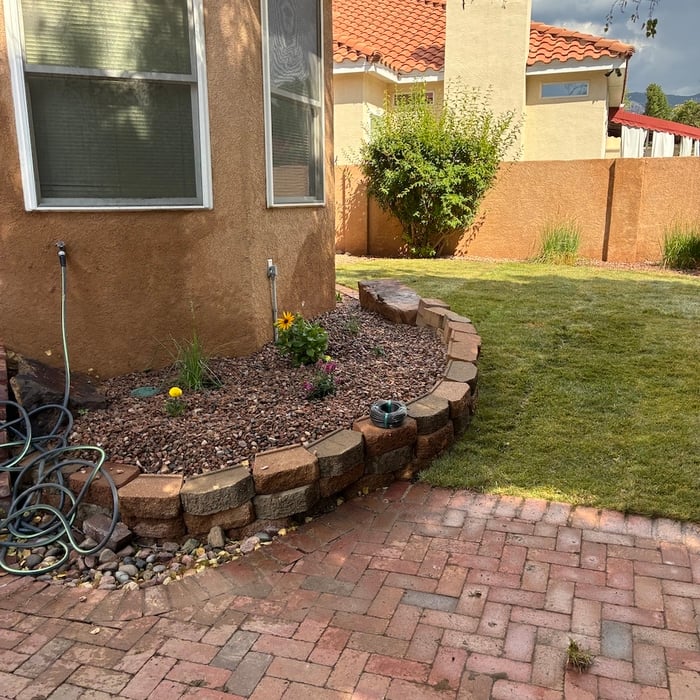
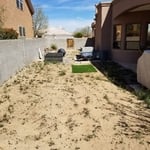
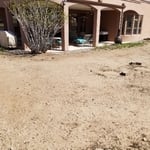
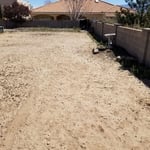
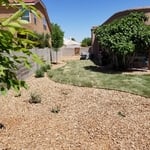
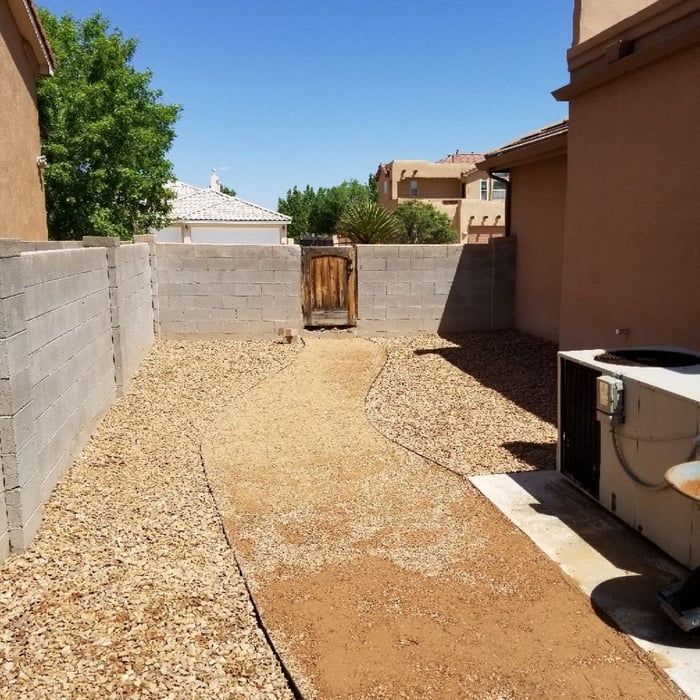
"Grantt came out to take a look at my property and give me an estimate. He was very courteous very professional and gave me a fair price. He said he has two crews that work on projects so this morning a crew of three or four guys came out and started to work. They cleaned up my yard. Mow the grass, trimming and cleaned up the weeds. It looks absolutely stunning. I can’t overestimate that I mean stunning with all capital letters. They’re all really good guys to talk to and they did excellent work. I highly recommend them. I will be using them more in the future for sure."
before
before
bofore
After
After

+2

7 neighbors recently requested a quote
Avatar for WaterQuest, Inc.
WaterQuest, Inc.
4.0(
114
)
Lawn Care - Maintain and Mow a Lawn

Serving Placitas, NM and surrounding areas

In business since 1998

Free estimates

"Waterquest crew was excellent! Through, professional and efficient. Made our natural NM front yard look tidy and the landscaping we do have was done as if it were a landscaped yard. So happy we found them!"
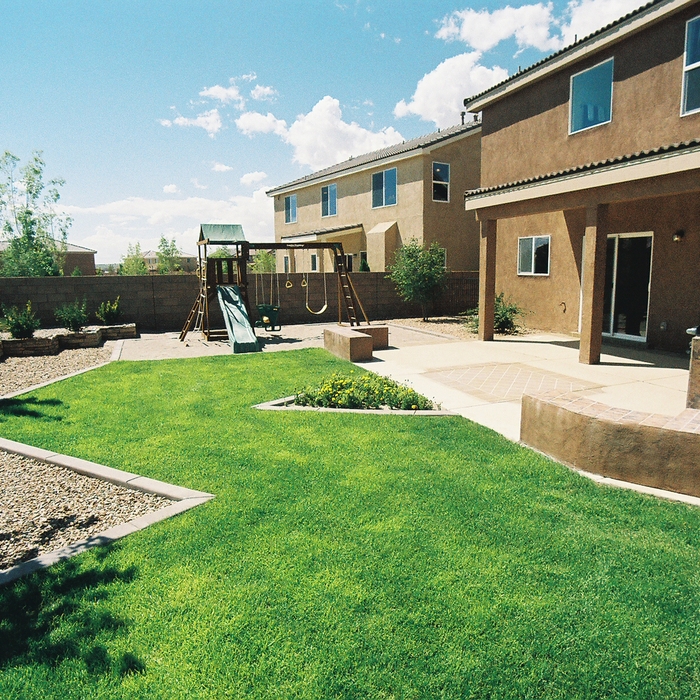
Basic but impressive
Pavers make an area pop
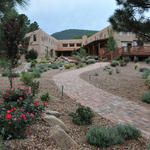
Nice mountain retreat
Sunset in Albuquerque
Angles make a statement

+6

Response time1 day
Recommended by90%of homeowners
...
Showing 1-10 of 142
Plant Watering FAQs, answered by experts

There are six levels of drywall finish, from 0 to 5, that refer to the amount of work performed during the finishing process.

Level 0: Drywall is hung with no finishing work.

Level 1: Tape is placed over the seams between drywall sheets.

Level 2: A thin layer of mud is applied over the tape and screw holes. This level is common for utility rooms or walls that will be covered.

Level 3: A full coat of mud covers the screw holes and tape, but the surface is not sanded. This is often used in garages.

Level 4: This is the most common finish for visible interior walls. It involves applying two coats of mud over seams and screw holes, with sanding between each coat, creating a smooth surface ready for flat paint.

Level 5: This is a high-end finish for luxury homes. It includes full taping, mudding, and sanding, plus a final skim coat over the entire surface before painting.

A post-drywall inspection could uncover many problems that weren’t present during the pre-drywall inspection, including insufficient insulation, missing weather stripping, improperly installed plumbing and lighting fixtures, flooring damage, drywall damage, plumbing leaks, aesthetic issues, and more. Structural problems, which are often expensive to fix and are common reasons to walk away after a home inspection, are easier to see before the drywall goes up, but a post-drywall inspection may highlight minor issues with house settling and foundation problems.

You should not leave drywall outside, especially overnight or in a wet, humid climate. Exposure to rain and humidity can damage the drywall, weakening its structural integrity and making it susceptible to mold growth. If you must leave drywall outside during a project, be sure to cover it with a tarp or keep it inside a storage shed to protect it. Even drywall intended for exterior projects requires a protective moisture barrier. For best results, store any extra drywall in a dry area away from the elements.

Although they have similar applications, spackle and joint compound are not the same. Their primary differences lie in their composition, consistency, and ideal use cases.

Spackle is composed of gypsum and binding agents, making it thicker than joint compound. It dries quickly and is easy to sand, which makes it ideal for small wall repair projects like filling nail holes or patching minor damage.

Joint compound, also known as drywall mud, consists of limestone and gypsum. It is primarily used for large-scale projects, such as taping and finishing the seams on newly installed drywall. It tends to shrink more than spackle and can be more difficult to spread.

While both products can be used to fill small depressions and cracks, spackle cannot replace joint compound for taping and mudding new drywall. Conversely, you can often use joint compound for small patching jobs typically done with spackle.

While textured walls can elevate a space in many ways, there are a couple of downsides to consider. Namely, they’re hard to clean, and some textures fall out of fashion quickly. Make sure to consider all your options to find one you truly love before diving in. 

The Placitas, NM homeowners’ guide to plant watering services

From average costs to expert advice, get all the answers you need to get your job done.