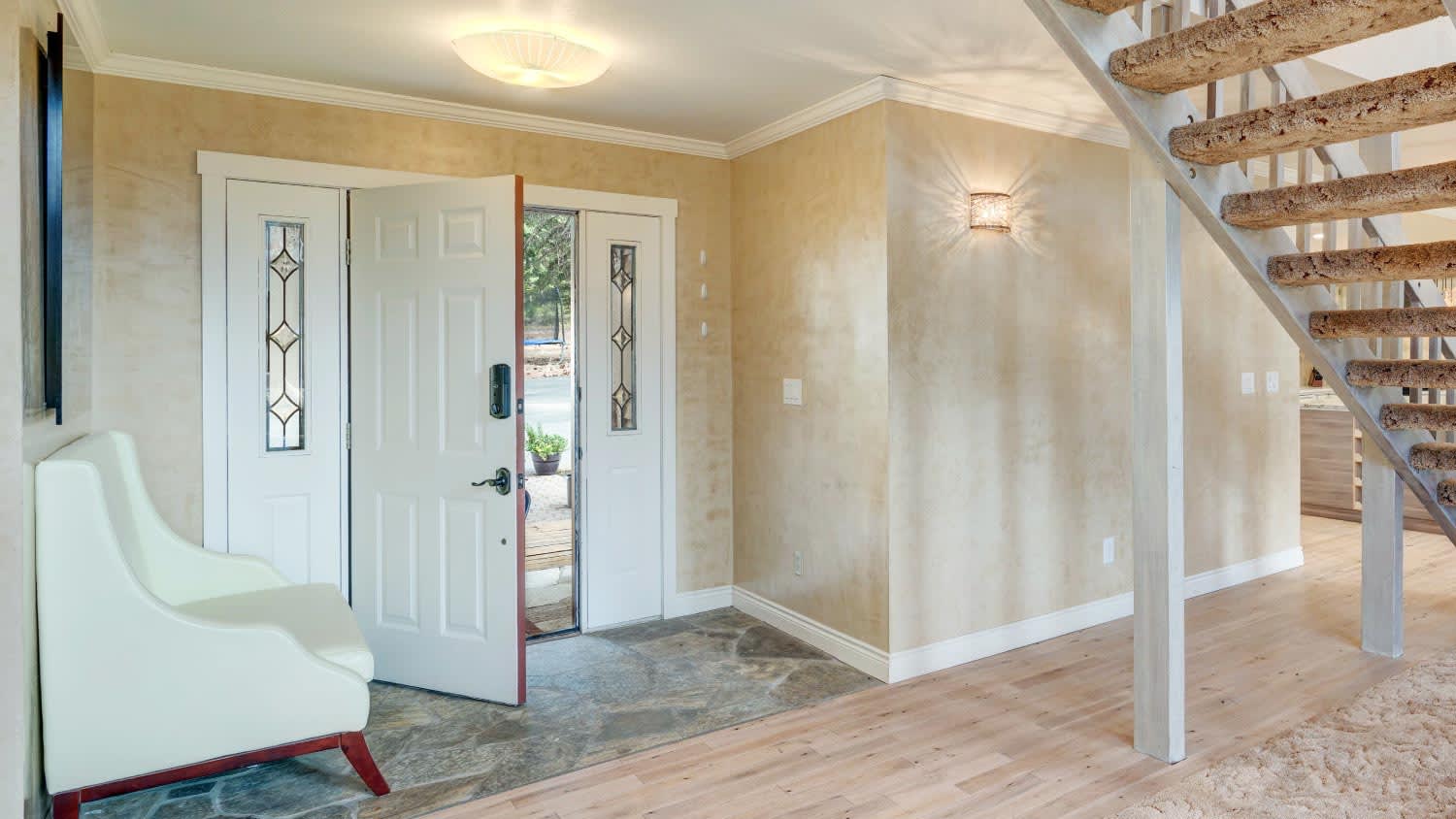
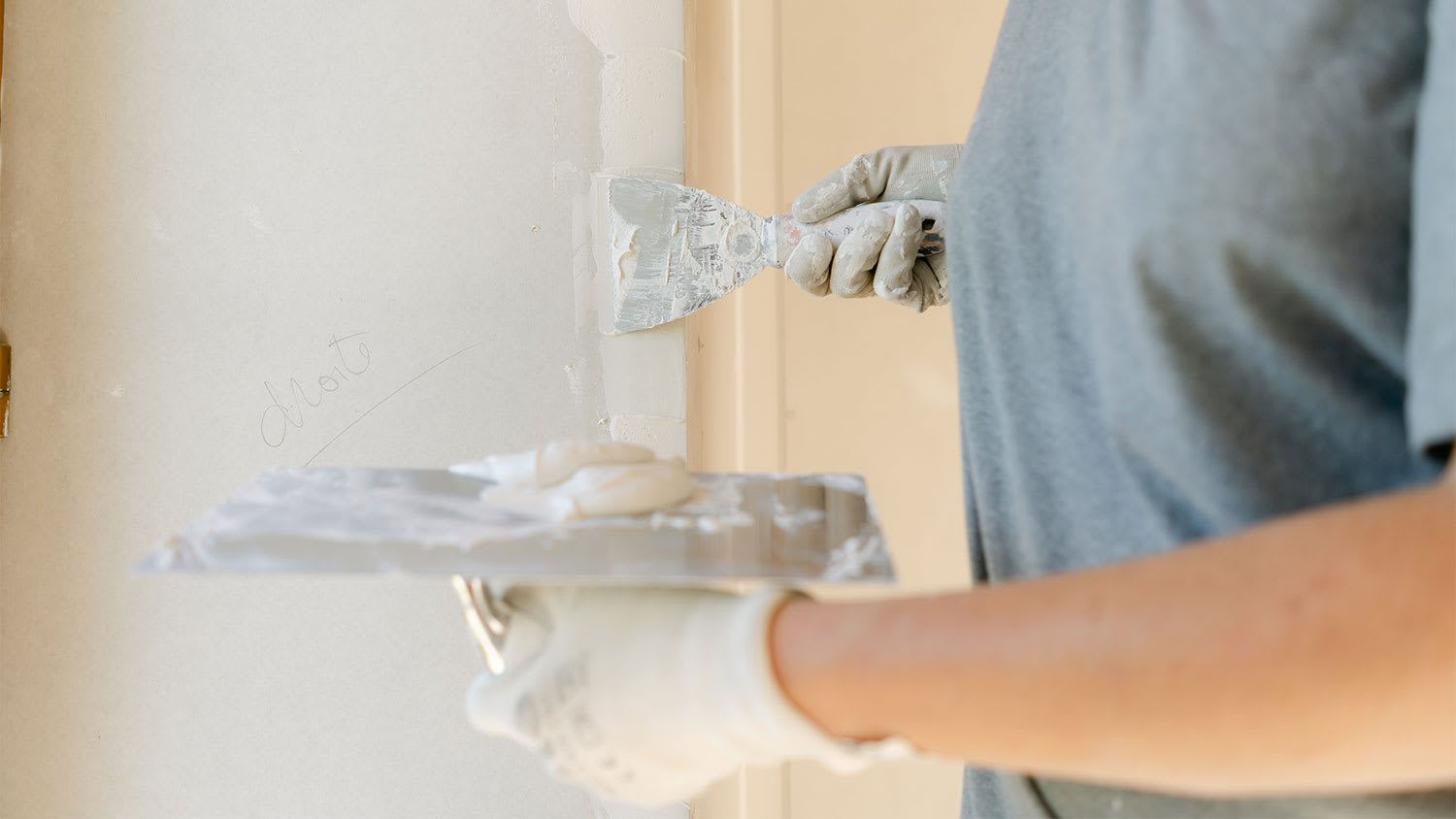
"Mike Sauer and his crew did a great job. They not only repaired plaster but also removed fixtures (like tv brackets) and repaired the plaster after removal. Mike went the extra mile by painting after plastering, getting someone in to repair some grout and also remembered to install a door stop. He and his crew were organized and easy to work with and finished in a very timely manner. They also were very careful with our wooden floors that had just been refinished. I wish everyone I hired to do work in our home was this responsible. I highly recommend Mike and his crew."
"The crew showed up every morning on time. They patched/drywalled and textured numerous small areas. The texturing was so good, that it is almost impossible to detect where the repairs where made. They also framed, drywalled and textured the kitchen area for recessed lighting installation. They repaired an area where there was a shower leak. They replaced the drywall and textured an area where a closet had been removed. On every part of the project, they exhibited superior workmanship. And at the end of every day, they cleaned up after themselves. Hire them again? Definitely yes! "
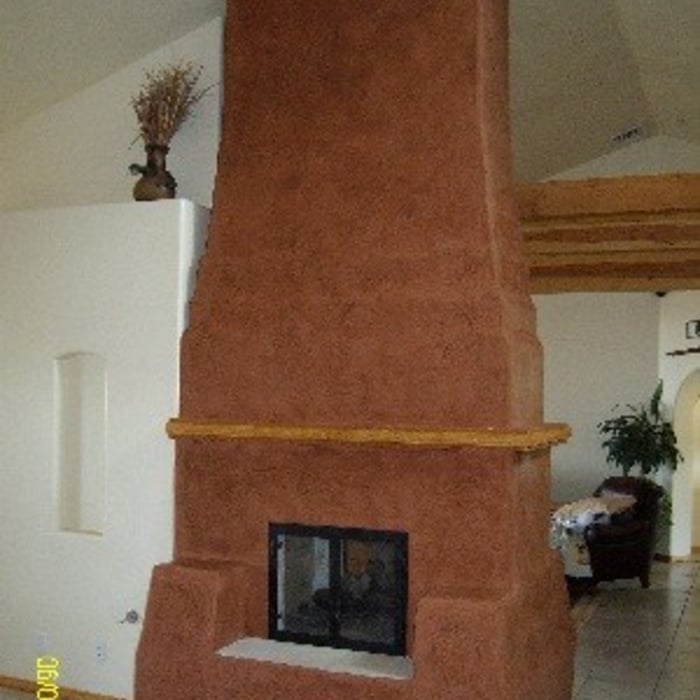
"Ruele did a terrific job replacing the stucco on our home and our casita. Their crew is great - very professional, competent, friendly and considerate. I really appreciated the thorough and careful way they approached their work and their attention to detail. I would highly recommend Ruele."
"Bill did an excellent job of filling, sanding, and painting the columns, vigas, and latillas. For the wood under the portal where we wanted to maintain stain, he did a beautiful job of matching the wood and making the filled areas look natural. He also painted our ductwork and other metal components to color match the stucco, repairing the stucco in a few places along the way. Bill is extremely reliable, meticulous in his cleanup, and fairly priced. Our next door neighbors saw Bill's work and hired him for their project."
"the job was completed by 2 men but the fence & gate are not lined up straight; more of a zigzag & gate did not close properly so I had to have someone else redo the gate closure. They did not use a plumb line; just eyeballed it... Luckily it's in my backyard so not many people see it. At least they got the job done quickly right after I moved into my new home & needed a safe place to keep our dogs. "
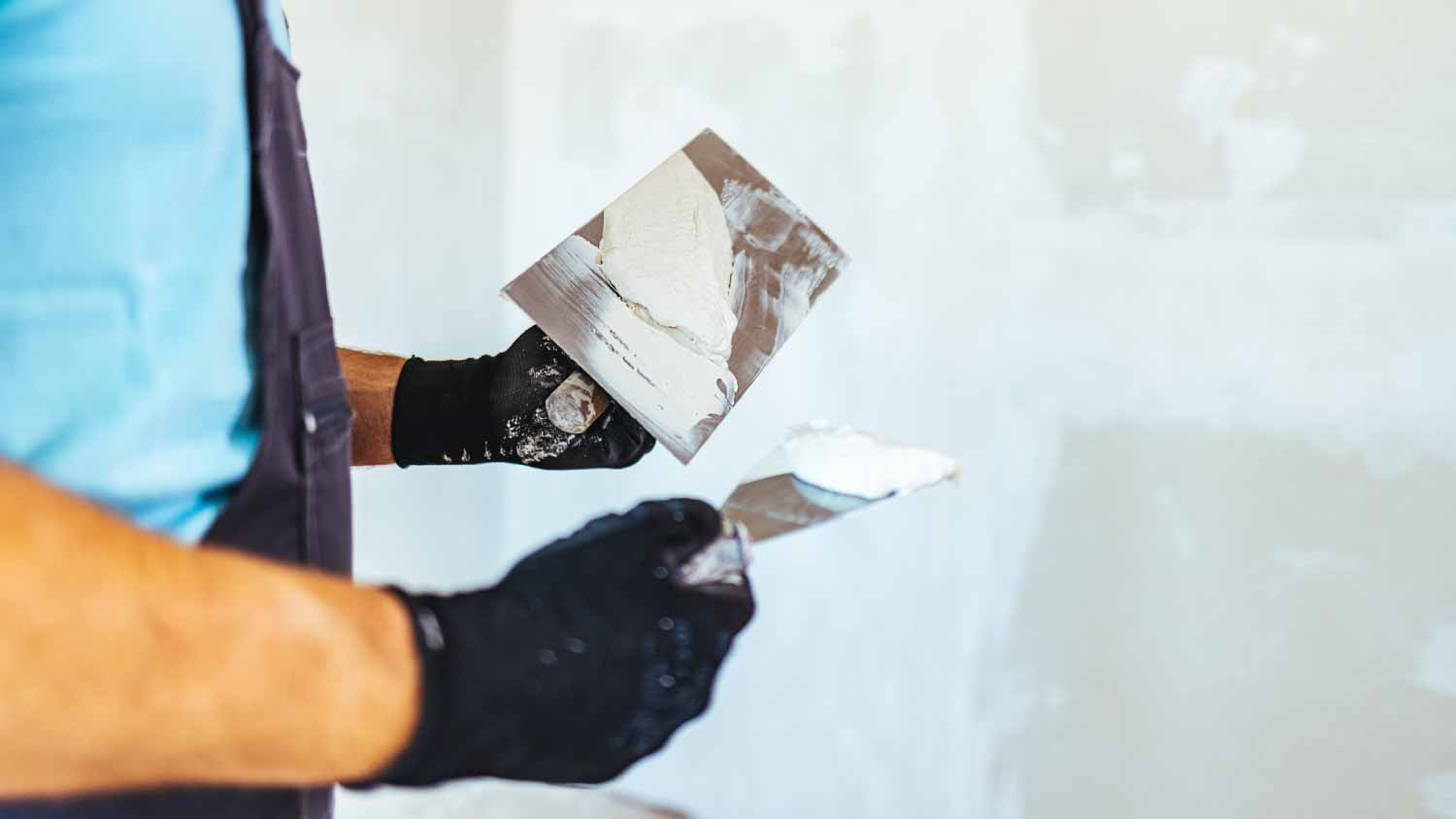
To maintain plaster walls, inspect them regularly for cracks and seal them early. Clean the walls by dusting regularly or using a gentle, damp cloth. It's also important to avoid moisture exposure. Repainting as needed will help maintain the wall's appearance and longevity.
Repairing plaster walls or ceilings is almost always worthwhile. It restores the appearance of your home, and if it's an exterior wall, the repair can improve curb appeal and provide a great return on investment when selling. Plaster repairs can also reinforce the wall, preventing minor cracks from spreading, and improve your home’s energy efficiency by fixing gaps in the insulative material, potentially lowering your heating and cooling bills. Additionally, hiring a professional allows them to check if the damage is from a serious underlying issue, such as foundation instability. Catching a problem like this early could save you thousands.
Plaster ceilings can sag for several reasons. In some cases, the plaster and other building materials shift and come apart over time, which is why you’ll commonly find drooping plaster ceilings in older homes. Improper installation, foot traffic, and water damage—often from a leaky roof or a broken pipe—can also cause plaster ceilings to sag.
Plaster provides a durable, soundproof, and moisture-resistant finish compared to drywall.
Damp plaster does dry out, although the drying time depends on several factors, including the type of plaster, the surrounding temperature, moisture content, and the extent of the dampness. Sometimes, it can take weeks or months for wall plaster to dry naturally.
The Navajo, NM homeowners’ guide to plaster repairs
From average costs to expert advice, get all the answers you need to get your job done.
Venetian plaster can add depth and texture to your aesthetic. Learn how much Venetian plaster costs based on factors like square footage and whether you hire a pro to help.
You can find plaster walls in a lot of older homes. What’s behind these walls—whether that’s lath or calcimine—can have an impact on how long they last. Finding out the age of your house can help you determine what you’re dealing with.