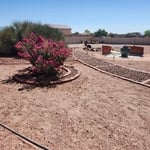
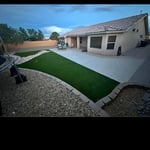
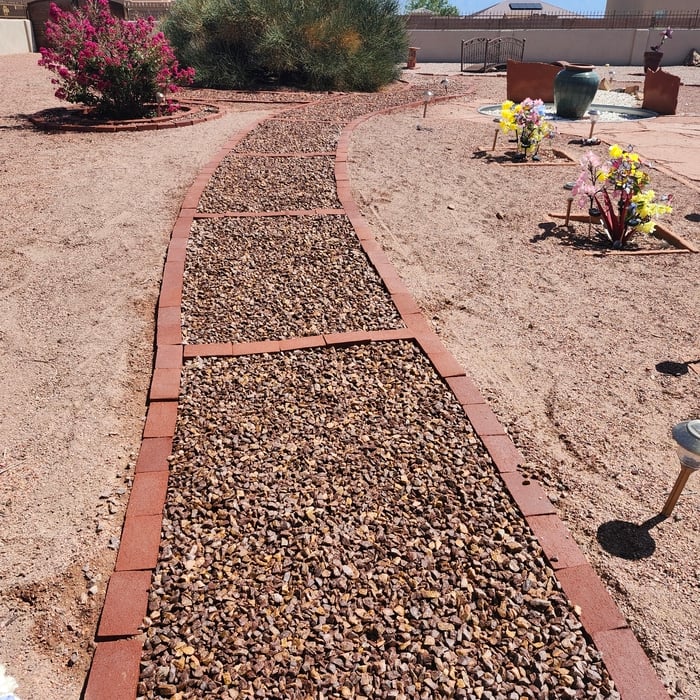
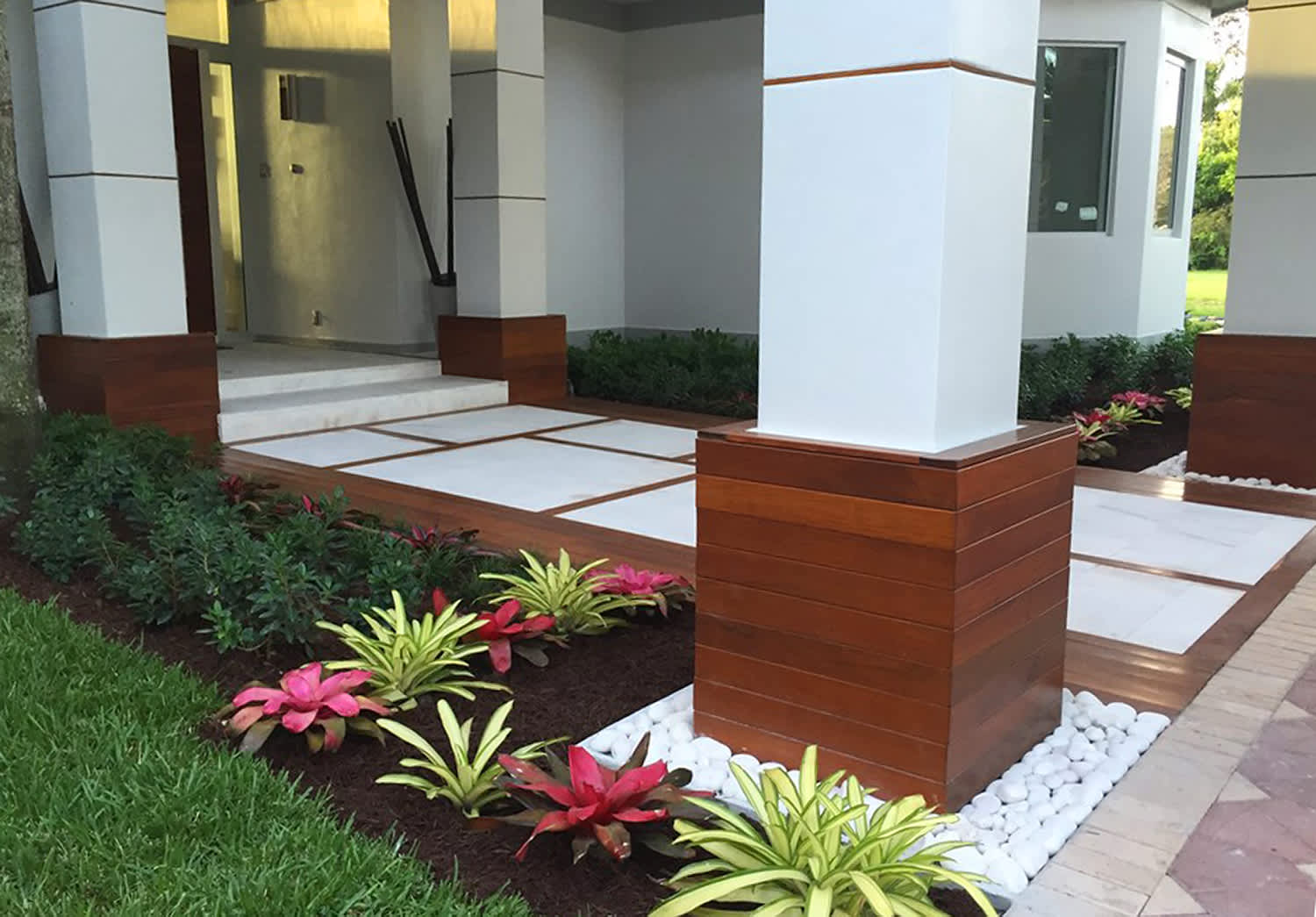
"This was the Best crew and Best company we have ever worked with. So impressed with the professionalism and attention to detail. The crew went above and beyound installing and cleaning up the artificial grass project. Looks so natural. They even arranged the garden boarder with perfection and artistry. The administration was also a pleasure to work with."
"Very friendly, good spirited man. Did a marvelous job with putting up moister barrier, cement boards and tiles. Very respectful towards house an customer.Very satisfied with the work Joey and his partner performed!!"
We provide results, not excuses! We pride our company on customer service, professionalism, great communication, efficiency, and superior quality work. We are experts in our trade and will do our best to keep you as educated as we can on your home renovation project. We look forward to earning your business! Feel free to give us a call today!
Yes, you can hydroseed with a garden hose, but you’ll need a tank or other large vessel for mixing the slurry, then a pump to send the slurry through the hose for spraying. Making your own hydroseeding unit can work, but it’s not usually worth the effort and supplies unless you already have them.
While you can leave roots in the ground, if you don’t want the shrub to regrow again over time, it’s best not to leave any roots behind. Ensure you remove as much of the shrub as possible, including the root ball and any main roots you can see, to prevent new growth. Some gardeners opt for using a chemical treatment to prevent the stump from growing back, but this can kill beneficial microorganisms living in your soil.
The best landscaping for a septic drain field is shallow-rooted grass or native vegetation that helps prevent soil erosion while allowing water to evaporate efficiently. Avoid planting trees, shrubs, or deep-rooted plants near the drain field because the roots can infiltrate pipes and cause blockages. Using mulch or gravel sparingly can also help retain moisture and protect the system without restricting airflow.
The best time to plant is between spring and autumn. Springtime weather is typically mild and is when nurseries start to bloom. When the summer weather arrives and it’s hot out, it’s best to avoid planting bare-root plants, but you can still plant many in-container varieties. The first sign of fall is another great opportunity to plant biennials if you live in southern states, or a lovely vegetable garden up north.
If you are xeriscaping a lawn from scratch, your best bet for preparing the lawn is to work with a xeriscaping specialist in your area. The most common first step to making the transformation, however, will be to remove the turfgrass from your lawn. The subsequent steps will often include amending the soil to support new plants and installing low-drip or drip irrigation systems.
The Navajo, NM homeowners’ guide to landscaping services
From average costs to expert advice, get all the answers you need to get your job done.
A landscape designer can elevate your outdoor space and bring your vision to life. Use this landscape design cost guide to budget for your next project.
A good landscaping website can help you land more sales and build your credibility. Read our list of must-have pages and ideas for your website to help potential clients find you and drive more business for your lawn care company.