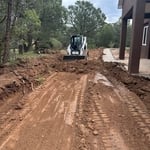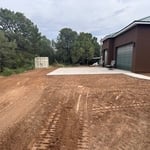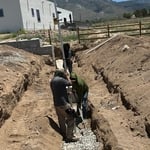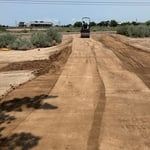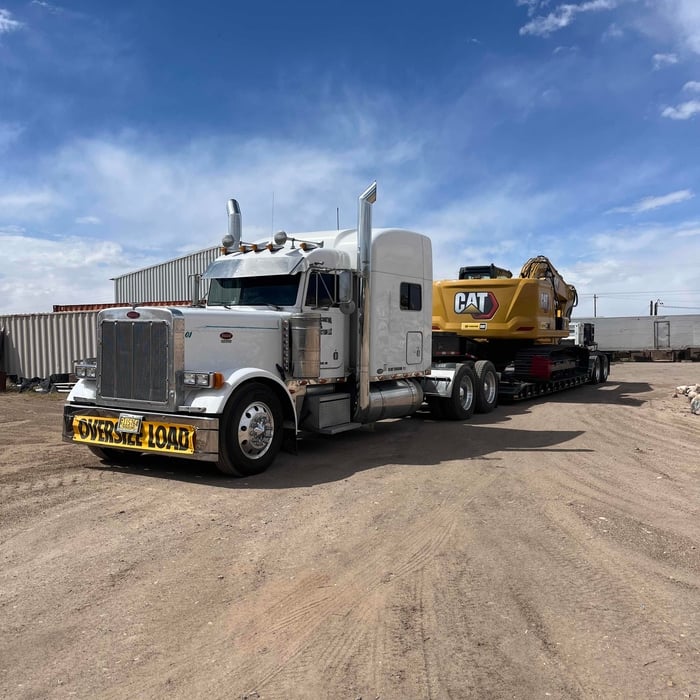




Top-rated excavation pros.

Get matched with top excavation pros in Mcintosh, NM

Enter your zip and get matched with up to 5 pros

Need a pro for your excavation project in Mcintosh, NM?

Select your specific project to find the pro for you.

Find Excavation pros in Mcintosh

Avatar for Gomez Excavating & Construction, LLC
Gomez Excavating & Construction, LLC
5.0(
1
)

Serving Mcintosh, NM and surrounding areas

Approved

In business since 1995

Free estimates

Emergency services offered

"Received a call right away, they were very friendly and knowledgeable about what we needed done. We awarded the project to them and they completed it before the deadline and did a great job!!"
Zuzax job
Zuzax job
Zuzax job
Zuzax job
Zuzax job

+12

1 neighbors recently requested a quote
Avatar for South Mountain Industrial Services, LLC
South Mountain Industrial Services, LLC
5.0(
6
)

Serving Mcintosh, NM and surrounding areas

In business since 2016

Free estimates

Credit card accepted

"During the demolition of my burned out residence they found a box of pictures and they rescued them for me and put them on a safe place. Also they discovered a bee hive during the removal and contacted someone to come remove the hive. I can't recommend them highly enough. It was a pleasure doing business with them"
Response time1 day
Recommended by100%of homeowners
Showing 1-10 of 15
Excavating questions, answered by experts

In the United States, a depth of 36 inches (three feet) for underground water lines is the accepted industry standard. This depth varies from location to location based on local conditions. In areas with colder winters, they may be buried deeper to prevent frozen well water pipes : This is usually at least six inches below the frost level. The International Plumbing Code calls for a minimum of 12 inches below grade.

The best method for digging a trench depends on the scope of the project. For a short, shallow trench (less than 2 feet deep) in light, soft soil, digging by hand may be sufficient. However, digging by hand is labor-intensive, so consider the effort required. A machine trencher is the better option for longer trenches (over 100 feet), deeper ones, or when dealing with difficult soil conditions, such as rocky or hard ground, or obstructions like tree roots. A machine can save significant time and energy in these situations.

A walk-behind trencher can cut through roots as long as they’re not too thick, making a project much easier than digging with a shovel and other hand tools. Assess your terrain and the number of trees in the surrounding area to determine if a walk-behind trencher will ease the job. Digging a trench by hand is much more time-consuming and labor-intensive. 

In most areas, you will need a permit for excavation work, even for projects that only involve grading or yard leveling. Permit requirements depend on your local government and the scope of the project, but they are especially common for significant digging or work that could affect utilities or public property. These permits help protect the local topography and prevent drainage issues. An experienced excavation company will typically know whether permits are needed and can often handle the process of pulling and closing them for you. You can also verify permit requirements by contacting your local building department and describing your project.

Skunk digging looks like a series of small, cone-shaped holes on a lawn or around the perimeter of a home, porch, deck, or shed. The holes that skunks dig when searching for grubs tend to be no more than four inches in diameter and may be up to four inches deep.

The Mcintosh, NM homeowners’ guide to excavation services

From average costs to expert advice, get all the answers you need to get your job done.