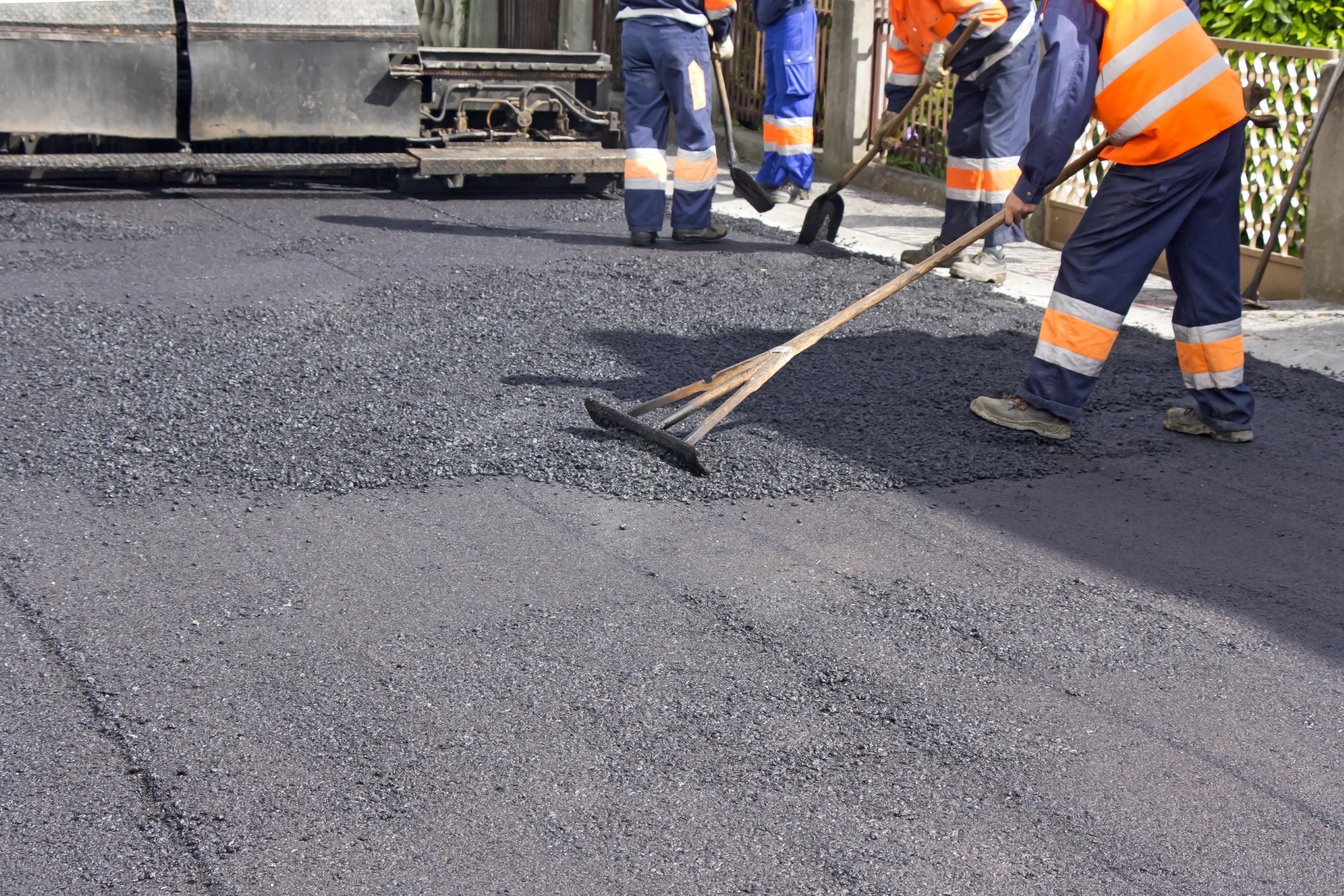
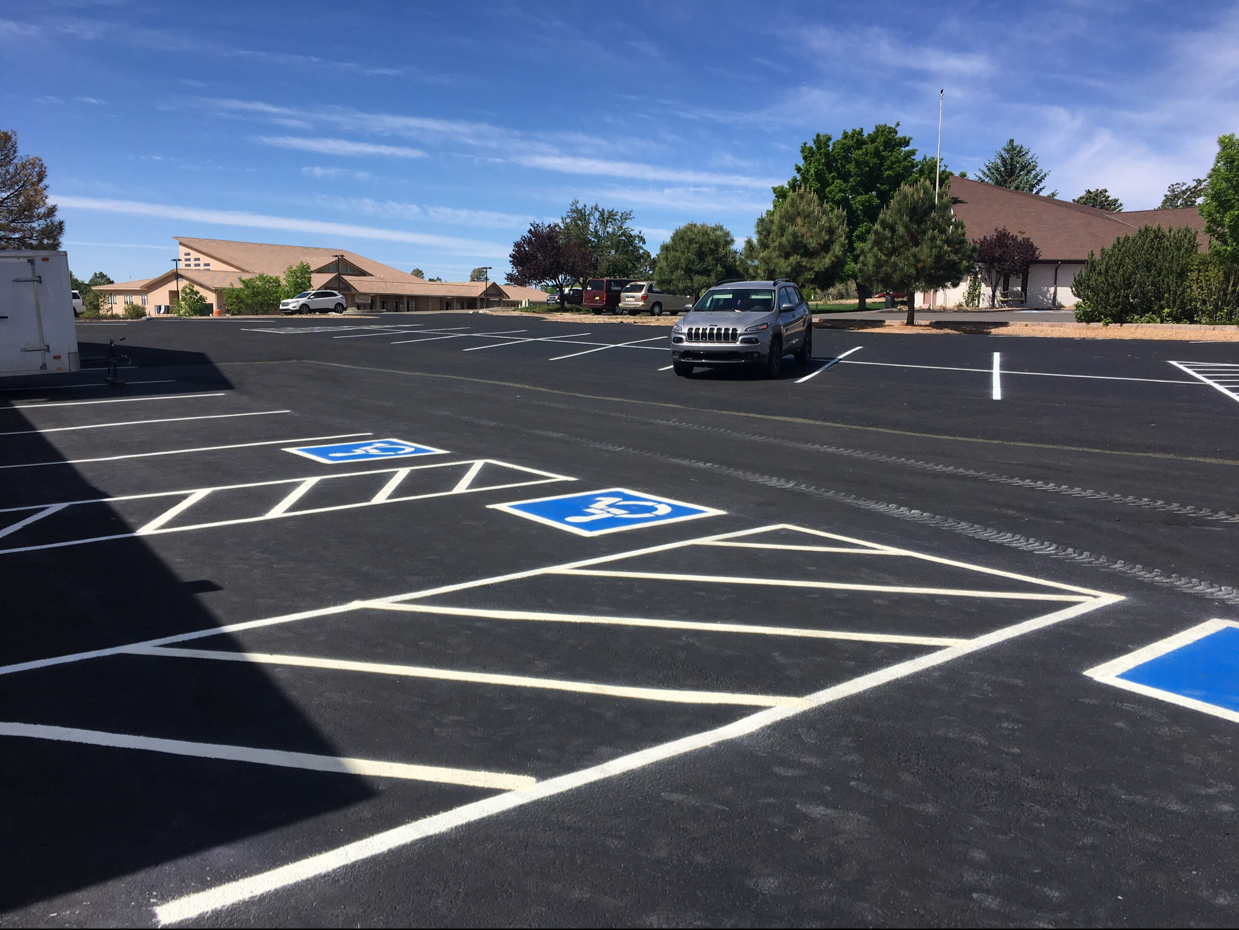
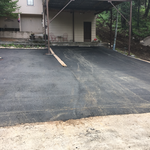
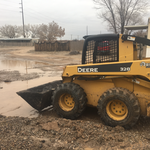
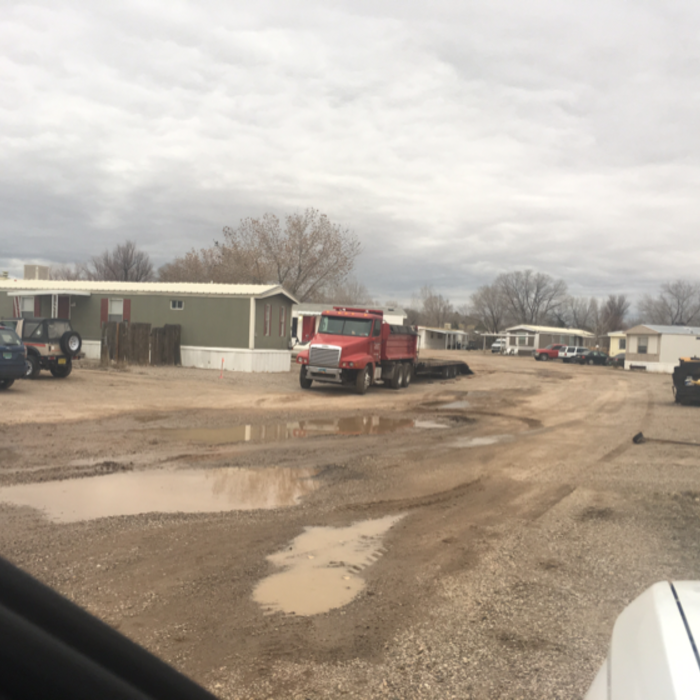
"Went GREAT! I got quotes from 3 different companies. Out of the 3 quotes I received Mike & Martins Asphalt & Paving was more professional, punctual and cost effective than the other 2. Another thing they did that stood out from the rest was the time they took to educate me on the whole process. Never having asphalt done before I had no idea what to expect. After meeting with Mike I felt very informed and comfortable moving forward with the project. The job is complete now and looks great! Mike called me a couple days after the project was done just to thank me one more time for my business. I don't usually take time to write reviews but these guys made a great impression. I highly recommend and would absolutely use them again in the future. Thanks"
Prestigious Paving is committed to excellence in every aspect of our business. We uphold a standard of integrity bound by fairness, honesty, and personal responsibility. Our distinction is the quality of service we bring to our customers. Accurate knowledge of our trade combined with ability is what makes us true professionals. Above all, we are watchful of our customers' interests and make their concerns the basis of our business.
The dimensions of a driveway apron vary based on local building codes, the width of your driveway, and the distance between the driveway and the road. On average, aprons range from 12 to 24 feet wide and 8 to 18 feet long. Typically, the end of the apron connected to the driveway matches its width—such as 10 to 12 feet for a single-car driveway—while the end at the street flares out to allow cars to turn in and out more easily. In some areas, you may not be responsible for the portion of the apron that extends beyond the sidewalk, but this depends on local laws.
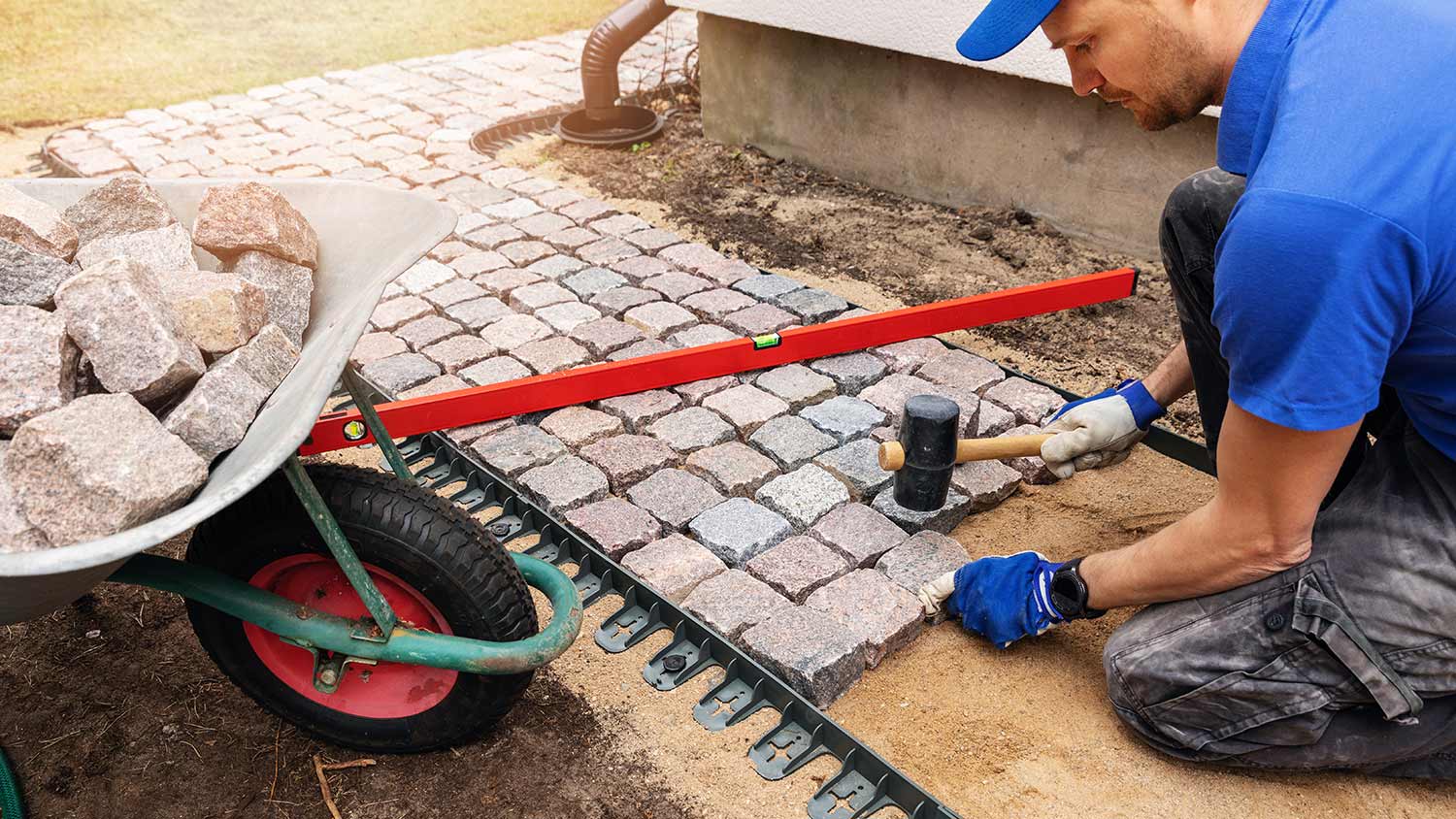
The most common causes of sunken pavers are poor base preparation and insufficient compaction. The problem could also be how your pavers were installed. If the soil beneath your patio or walkway wasn't compacted, it will pull pavers down as it settles. Additionally, using bare soil instead of making a paver bed with compacted gravel and sand can cause sinking over time. To fix sunken pavers, consider recompacting the base and addressing any drainage or erosion issues in the area.
Yes, you should lightly wet the sand with a hose before laying the pavers on top. This activates the bonding agents in the sand, ensuring that your pavers don’t shift around during the installation process. However, you should make sure that the sand is not soaked; overwatering can cause the sand and pavers to not set properly.
If you miss the perfect time frame to trowel finish concrete, you likely won’t get the smooth, flawless result you’re looking for. In this case, you should contact a concrete professional or look to methods like sanding, grinding, or patching once the concrete dries. These methods will ensure the best final result for the lowest cost.
An ideal driveway gradient is between 2% and 5%. Anything lower than 1% or higher than 15% can cause problems for your car or property. A driveway with less than a 1% slope increases your likelihood of flooding and water damage, while a driveway with a 15% grade or higher can be too steep for safe traveling.
The Crownpoint, NM homeowners’ guide to paving services
From average costs to expert advice, get all the answers you need to get your job done.
The cost of a tar and chip driveway falls between gravel and asphalt. Is this unique process the happy medium you've been looking for? Let's take a look.
Get proactive with marketing for your paving contractor business. Use these paving marketing ideas (ranked by budget and experience level) to grow your business, get more leads, and earn more money.