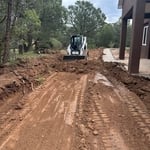
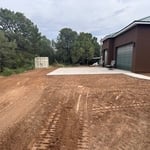
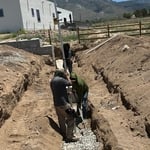
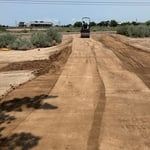
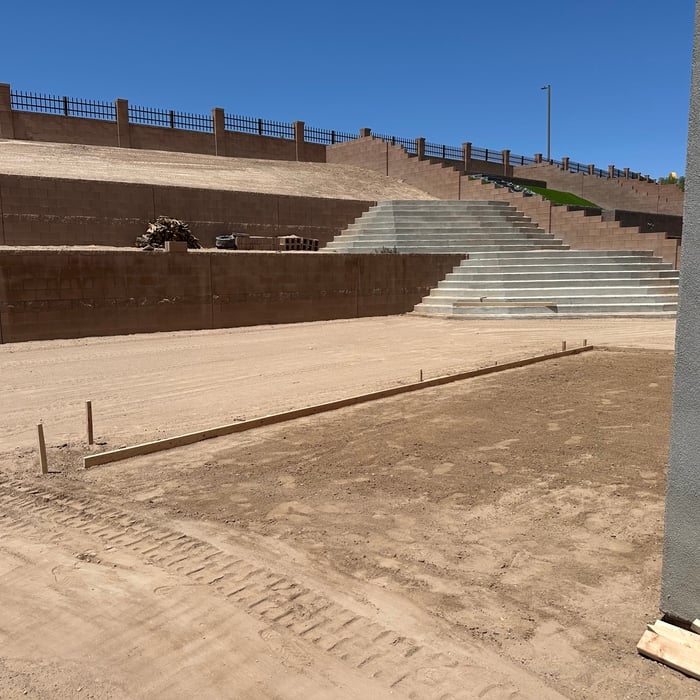
"Miguel performed the work and did a great job. He was extremely helpful in answering any questions and was a pleasure to have on site. I would defiantly use MD excavation in the future and would definitely use and refer Miguel to other clients. Thank you, Miguel!!"
3rd Generation Excavation Services brings to all of its clients the very best in professional excavating and post-construction clean-up services. Every job � big and small � is done right every time.
We take great pride in our experience, expertise, quality, and customer service that we provide to meet the consumer's needs. It is our mission to provide excellent workmanship, and complete customer satisfaction, from start to completion of a project. In order to understand the needs and expectations of our customers, we take great care to work and communicate with every customer in a professional manner. Our reputation is based on service, safety and quality, regardless of how large, or small the job. Call us today!
\n
The cost to repair a crawl space runs between $1,500 and $15,000, depending on the extent of the damage. Major flooding or water repairs can cost up to $10,000 for removal and repairs. If you simply need to clean your crawl space, expect to pay between $2,000 and $6,000 for a major cleanout. Replacing a crawl space beam due to rot or damage can cost between $1,500 and $5,000, while removing and replacing damaged insulation costs between $1,000 and $4,000.
Most states do not require excavation companies to hold specific licenses, but many require at least a contractor’s license. Additionally, heavy equipment operators require a special commercial equipment license to operate machinery required for excavation. You can use Angi’s contractor licensing tool to confirm that an excavation company you’re considering hiring is fully licensed. You should also make sure that the excavation team is fully insured before allowing them to work on your property.
Yes, you can install a trench drain if you already have concrete in your yard or garden. While it can complicate some aspects of the job and slightly run up the cost, it is doable. Residential trench drains can be easily retrofitted to outdoor areas with concrete without having to remove excessive amounts of your patio, pool area, or decorative walkways.
Whether you grind or dig up and remove your tree stump depends on your landscaping goals. Using a stump grinder leaves the root system in place for it to decompose over time, whereas digging up the tree stump removes the roots and the stump. Overall, stump grinding is a far simpler process since you won’t need to deal with the roots. Stump removal will make your yard look like a demolition site, but you’ll have an easier time replanting in the same place as your former tree.
How deep your septic system needs to be into the ground depends on several factors. In extremely cold environments, the tank needs to rest below the maximum frost line, which can be up to six or eight feet deep. The standard burying depth for most systems is between a few inches and four feet below ground level. Depth can also depend on the slope of the landscaping and other property variables.
The Crownpoint, NM homeowners’ guide to excavation services
From average costs to expert advice, get all the answers you need to get your job done.
Excavation costs $1,500 to $6,300 for most residential projects—but it depends on factors like the size of the area. This guide will help you plan a budget.
You can't have an in-ground pool without digging into the ground. How much does pool excavation cost, and can you take it on yourself? Our guide explains.