"Pluma was an excellent company to work with. Work was completed within 1 week of estimated time and included new windows and french door installation, replacement of 3 windows, retexture and paint ceilings, new flooring, new cabinets, new baseboards and painting throughout. Work was excellent and Julio was an amazing worker! He never did things that were less then satisfactory and often went the extra mile! My new kitchen, living area and laundry look incredible!! Overall fair value for work completed, will recommend to others and will likely hire for our future projects. Thank you!!!"
No, even if you have a vague idea of what you want, it’s a good idea to reach out to a contractor that specializes in outdoor kitchens for assistance. Professionals who have constructed kitchens for other homeowners can not only help you think about the functionality and convenience of your outdoor space—which many homeowners neglect—but they can also help you choose high-quality, durable materials that meet your budget and match the rest of your outdoor space. In fact, it’s often better to contact a contractor and get the ball rolling before you have a solidified plan for your outdoor kitchen.
How big a fire pit should be depends on how many people you want to get around it on a regular basis, and how big your space is. The average fire pit size is between 36 and 44 inches. However, if you regularly host big gatherings and have the appropriate outdoor space, you can go as big as 72 inches.
Whenever you’re on the hunt for furniture, either indoor or outdoor, start your search at local second hand shops. While they might not always have exactly what you need, even just one deeply discounted chair or table will cut down a lot on your overall expenses. From there, check newsgroups to find free or inexpensive used items. For deals on new items, try discount home and garden retailers.
If you plan to have a refrigerator or other appliances that require electricity, you will need an electrical outlet in your outdoor kitchen. Be sure to comply with all National Electrical Code® (NEC®) codes for electrical wiring and outlets in kitchens. If you do not plan to install a refrigerator or any other appliances that require electricity as part of your outdoor kitchen features, then you do not need to install electrical outlets. However, it is a good idea to install at least one electrical outlet should you decide to use any appliances that require electricity.
Cover appliances, clean surfaces regularly, and winterize plumbing before freezing temperatures.
The Crownpoint, NM homeowners’ guide to outdoor kitchen services
From average costs to expert advice, get all the answers you need to get your job done.
Discover the cost to build an outdoor kitchen, including average prices, cost factors, and tips to help you plan your project and maximize your investment.
Considering an outdoor kitchen? If you enjoy entertaining loved ones or prefer your meals alfresco, here's how to evaluate if an outdoor kitchen may add value to your home.
The best outdoor kitchen design ideas are ones that suit your needs. Check out these layouts and design concepts to help you assemble your perfect outdoor kitchen.
Dreaming of an outdoor kitchen? Get layout ideas for everything from a simple, low-budget DIY outdoor kitchen to a state-of-the-art, chef-worthy space.
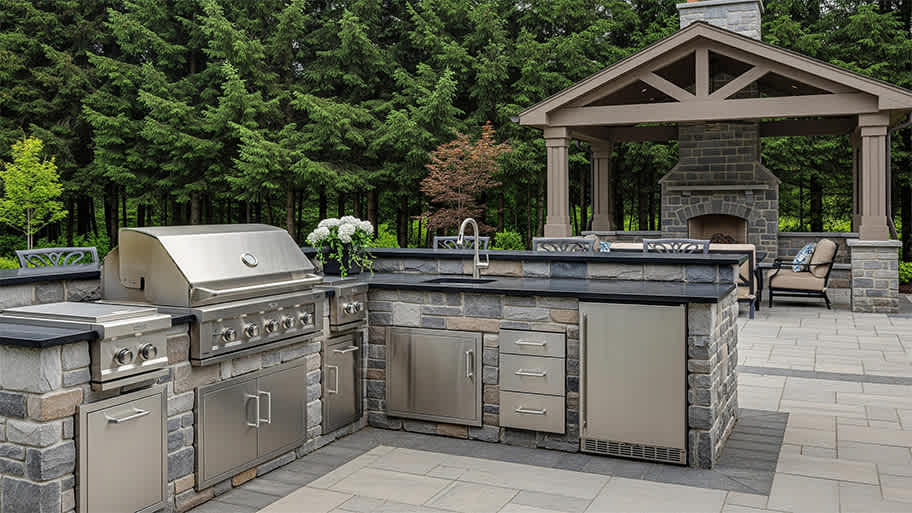
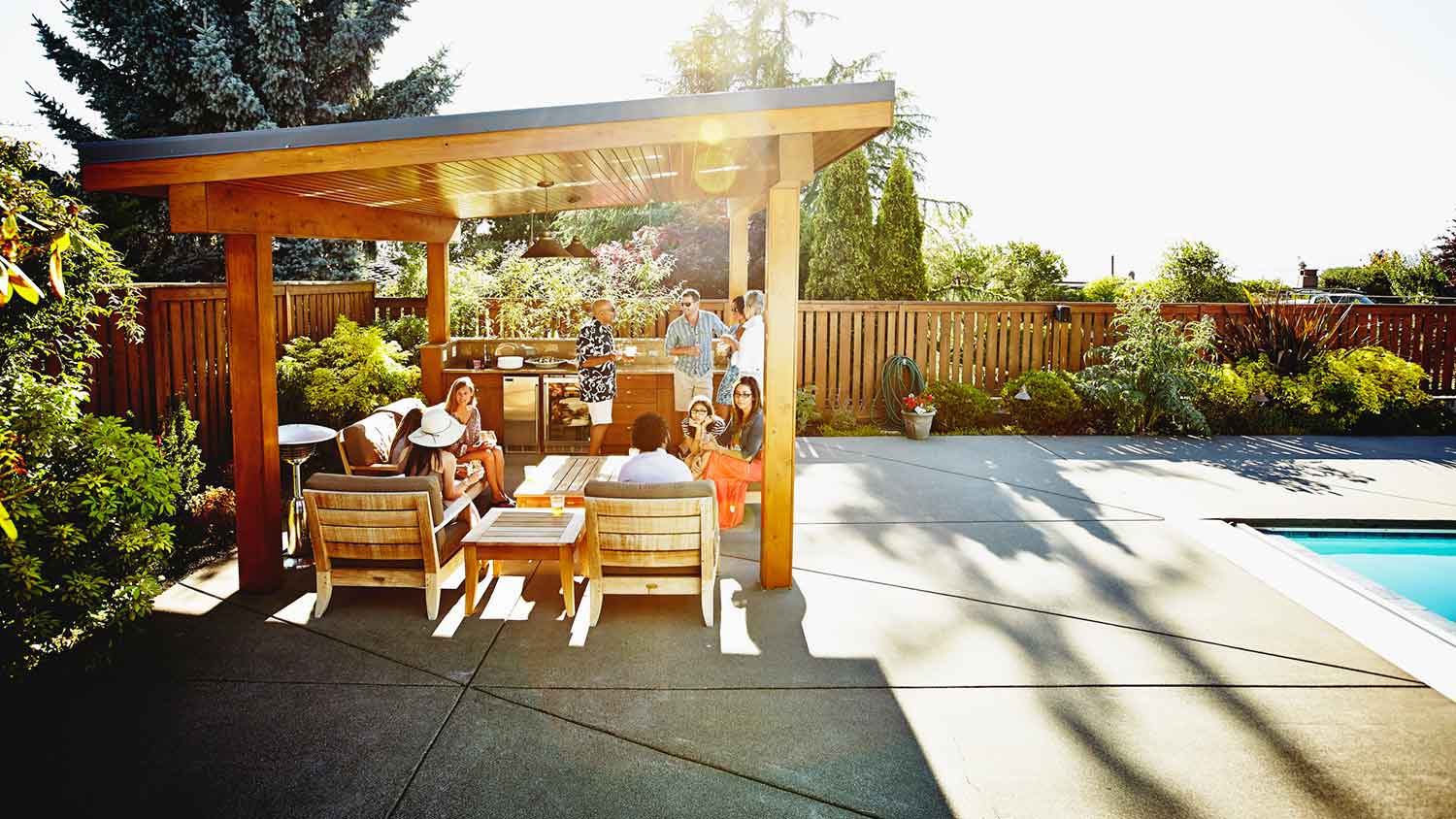
A covered space is ideal for grilling comfortably without worrying about rain or heat. Use our list of outdoor kitchen gazebo ideas to inspire your next project.