It only takes a few days for a septic tank to fill with water after a pro has pumped it. This is completely normal, and the water is a vital part of your septic system’s wastewater treatment process. The water that fills your tank days after pumping is not the same as the tank being filled with waste. You shouldn’t have to pump your septic system more than once every three to five years unless you have a tank that’s too small for your home’s water output or there’s a problem with your leach field.
Toilet paper is the only material that you should flush down toilets. Other items like wipes, paper towels, feminine hygiene products, dental floss, and medications should be disposed of in the trash. Flushing these items can lead to plumbing issues and damage to sewage systems. Grease and cooking oils should also be avoided as they can solidify in pipes, causing blockages. Proper disposal helps prevent clogs and ensures the efficient operation of wastewater treatment systems while protecting the environment.
To prevent drain clogs, perform regular maintenance and cleaning. Avoid disposing of substances like grease or coffee grounds down the sink. Additionally, installing and routinely using drain strainers can help catch debris and prevent blockages from forming.
The bacteria already present in your septic system should be enough to break down solids in a properly maintained septic tank. However, if you’re in a DIY mood, you can try adding (well-mashed) rotten tomatoes to help the good bacteria fulfill their duty. Just make sure you give them a couple hours to work after flushing them down.
If your leach field becomes clogged or saturated, it can cause several problems with your home's septic system. The clog can cause sewage to back up into your home, leading to unpleasant odors and mess. A backed-up septic system can be a health hazard, particularly if the sewage starts to leach into the ground surrounding the leach field.
There are several ways to fix a saturated drain field, including cleaning out your septic tank, adding enzymes and additives to your drain system, and installing a larger septic system.
The Columbus, NM homeowners’ guide to aquarium services
From average costs to expert advice, get all the answers you need to get your job done.
Discover mosquito control service cost estimates, including average prices, key cost factors, and tips to save on professional mosquito treatments for your home.
If you’re moving, you need to consider distance, weight, packing, and more. Our guide provides the average cost to move a 3-bedroom house long distance.
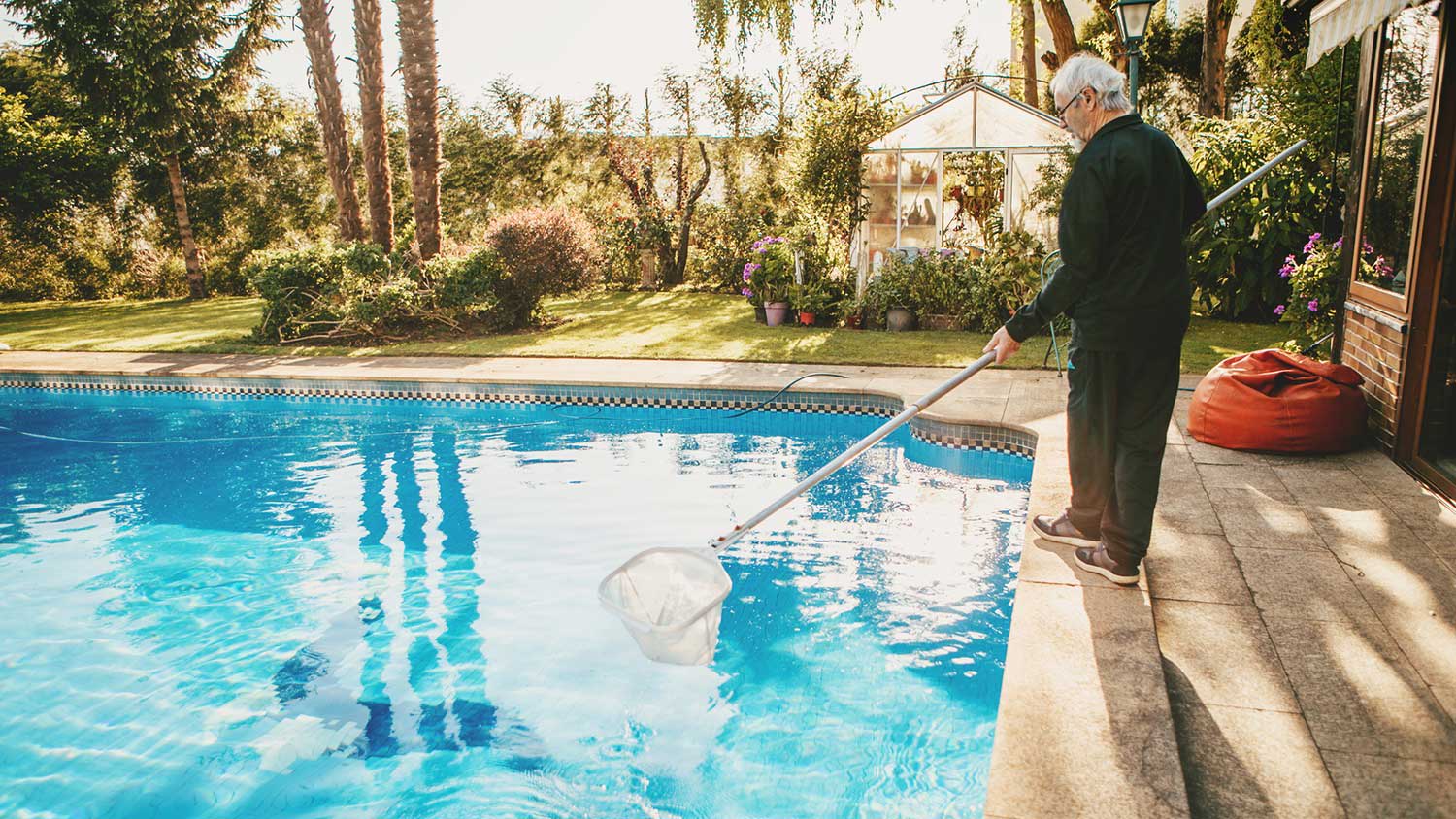
If you live in an area without very cold winters but tempted to close your pool during the cooler months, read on. We dive into the many benefits of winter service.
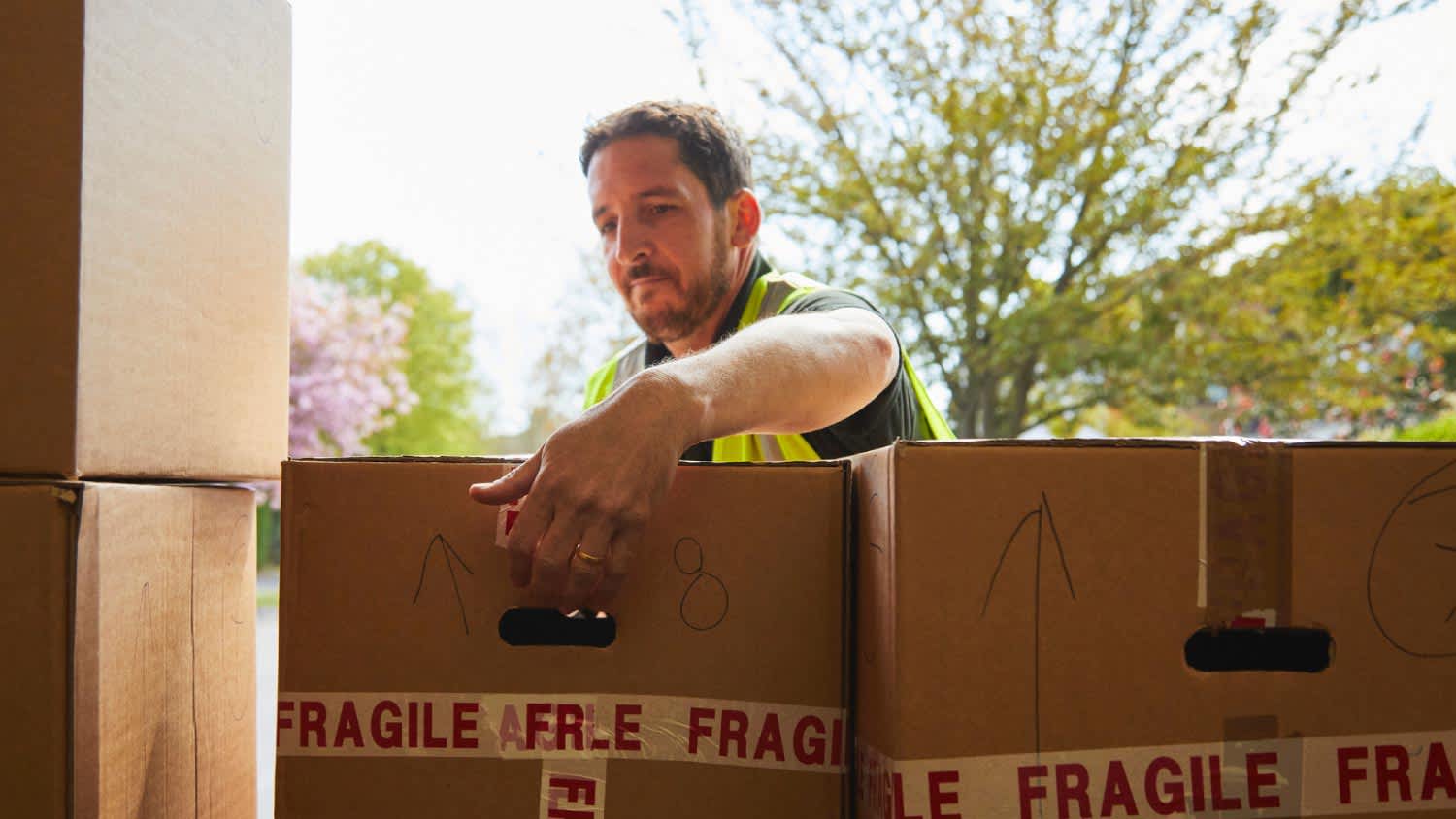
Learn about home items that are nearly impossible to move without movers, either because they are awkwardly shaped, too heavy, or require special equipment.

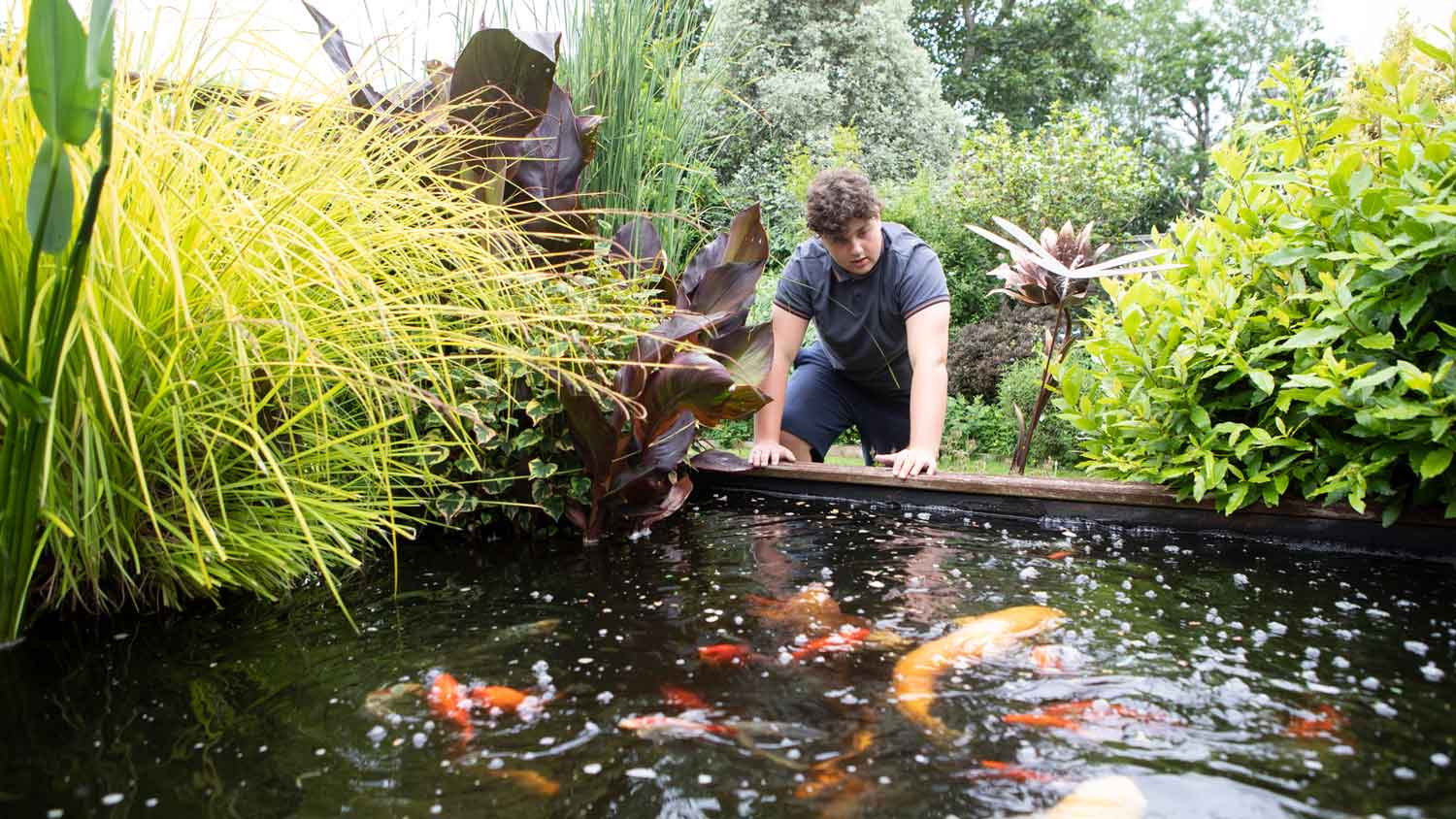
Moving an aquarium entails packing it securely, keeping your pets safe, and maintaining the balance of beneficial bacteria. Learn how to move a fish tank.