









Top-rated excavation pros.

Get matched with top excavation pros in Hoboken, NJ

Enter your zip and get matched with up to 5 pros

Need a pro for your excavation project in Hoboken, NJ?

Select your specific project to find the pro for you.

Find Excavation pros in Hoboken

Avatar for EFB Paving and Masonry
EFB Paving and Masonry
5.0(
6
)
Building Site - Preparation and Clearing - For BusinessExcavation - Major Grading or Resloping - For Business

Serving Hoboken, NJ and surrounding areas

Approved

In business since 2016

Free estimates

Credit card accepted

"Great experience from start to finish. The crew was on time, easy to work with, and did a really nice job on my concrete repair. Everything turned out exactly how I wanted, and they left the area clean when they were done. I’m very satisfied with the results and would definitely use them again."
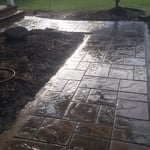
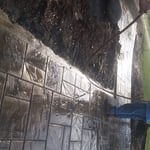
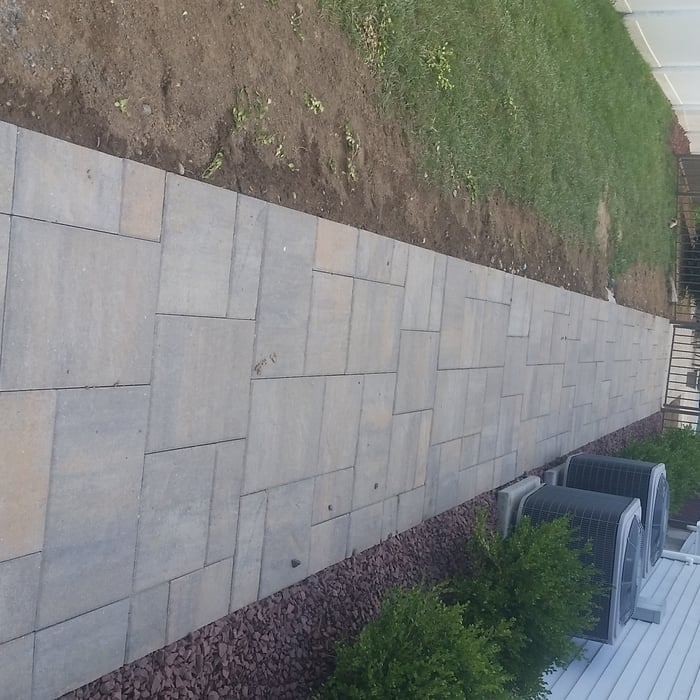
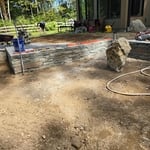
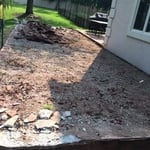
Pavers installation
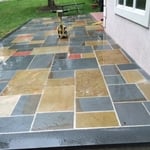
Pavers installation
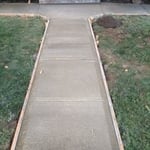
Pavers installation
Pavers installation
2 neighbors recently requested a quote
Avatar for Panaro Outdoor Design, LLC
Panaro Outdoor Design, LLC
4.3(
172
)
Landscape - Minor Grading or Resloping

Serving Hoboken, NJ and surrounding areas

Approved

In business since 1979

Free estimates

Small jobs welcome

"I hired Panaro for several projects, including the installation of a patio, walkway and steps as swell as grading and sod installation. They were top notch in all respects."
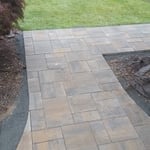
Pavers Down
Pavers Finished and Locked in
Gino himself putting the finishing touches
Beautiful shrubs
Another walkway done

+299

Response time1 day
Response rate88%
11 neighbors recently requested a quote
Pablo Demolition
New to Angi
Building Site - Preparation and Clearing - For BusinessExcavation - Major Grading or Resloping - For Business

Serving Hoboken, NJ and surrounding areas

Approved

In business since 1987

We are owner operated. I take pride in my quality craftsmanship. We believe in building long term relationships with our clients and honesty is what we deliver to our clients along with exceptional work. We pride our company on reliability, great communication, integrity, and quality work. We are experts in our trade and will do our best to keep you as educated as we can on your particular project. We look forward to working with you!

Response time4 days
...
Showing 1-10 of 144
Excavating questions, answered by experts

There are several methods to hollow out a tree stump, and the best one depends on your tools, experience, and priorities. Common methods include using a chisel and hammer, a chainsaw, or burning.

  • Chisel and Hammer: This is often considered the easiest approach for those with limited tools or experience, though it is the most time-consuming.

  • Chainsaw: Using a chainsaw is the fastest method, but it comes with significant safety risks, especially for inexperienced users.

  • Burning: This can be an effective method, but it is not recommended unless you can first drill holes into the stump. Without holes, the stump will be difficult to light and may not burn completely through.

A power drill with at least a ⅜-inch diameter bit can make the job quicker and easier, regardless of the primary method. While you can use a chisel or chainsaw without a drill, it will require more time and effort. Always wear protective goggles and thick gloves, as splinters are an inevitable risk.

Excavation and grading are both generally necessary for designing your foundation, and leveling the ground where your foundation will go. These steps can also prepare the area by removing vegetation and anything else that could interfere with your home’s foundation.

Digging a bush up by the roots is the most natural DIY method for removing a bush stump. Start by identifying the shrub type and revealing its roots. Cut the shrub to its base and loosen the soil, ensuring no utility lines are nearby. Optionally, treat the base with herbicide, then dig around the roots and cut a circle around the shrub using various tools. Dig a trench, cut the base of the root ball, and finally fill the hole to prevent regrowth. This thorough process ensures complete removal without damaging surrounding areas.

In the United States, a depth of 36 inches (three feet) for underground water lines is the accepted industry standard. This depth varies from location to location based on local conditions. In areas with colder winters, they may be buried deeper to prevent frozen well water pipes : This is usually at least six inches below the frost level. The International Plumbing Code calls for a minimum of 12 inches below grade.

Depending on the severity of the freeze and the method used, thawing frozen underground pipes can take anywhere from 30 minutes to several hours. Applying heat directly to the pipe using heat tape, infrared lamps, or hot water jetting can speed up the process. However, patience and careful monitoring are key to avoiding pipe damage.

The Hoboken, NJ homeowners’ guide to excavation services

From average costs to expert advice, get all the answers you need to get your job done.