Top-rated paving pros.

Best paving pros near Wilton, NH

Enter your zip and get matched with up to 5 pros

Need a pro for your paving service project in Wilton, NH?

Select your specific project to find the pro for you.

TRUSTED BY WILTON, NH HOMEOWNERS

  • Average homeowner rating star icon4.3
    Average homeowner rating
  • Verified reviews icon80
    Verified paving services reviews

Top-Rated Paving pros in Wilton - Updated Nov 2026

M & L LANDSCAPING & CONSTRUCTION, LLC
4.9(
97
)
Interlocking Pavers for Patios, Walks & Steps - Install

Serving Wilton, NH and surrounding areas

Approved

In business since 2020

Free estimates

Credit card accepted

Locally owned business with over 12 years of experience. Custom Paver Patios, walkways, retaining walls, and driveways. We also offer full clean up landscaping, hardscaping, and stone work. \nPassionate about serving our local community and continuing to deliver great customer service. Feel free to call or text with questions regarding your projects. Look forward to working with you on all your home endeavors.

2 neighbors recently requested a quote
Recommended by88%of homeowners
JY Paving & Decorative Asphalt
5.0(
16
)
Asphalt Paving - InstallAsphalt Paving - Install- For BusinessAsphalt Paving - Repair or Patch - For Business

Serving Wilton, NH and surrounding areas

Approved

In business since 2000

Free estimates

Warranties offered

"JY Paving is avery professional business. Thier crew worked very fast to complete the job but maintained quality of work. Have recommended them to several people to have work done because I was extremely pleased with the finished product."
Additional Photos
Additional Photos
Additional Photos
Additional Photos
Additional Photos

+20

3 neighbors recently requested a quote
Recommended by87%of homeowners
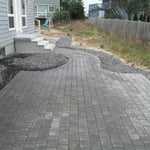
3 Brothers Masonry
4.7(
76
)
Interlocking Pavers for Patios, Walks & Steps - Install
Serving Wilton, NH and surrounding areas

Approved

Super Service Award Winner

In business since 2008

Free estimates

Credit card accepted

"Ben came to our home to give us a quote for a patio in the front of our old farmhouse. He measured and talked to us about the different options of stone, pavers, layout snd design. Ben said he would get to us with a quote. About 2 hours later he sent a quote, my husband and I picked out the pavers and he started the same week. The patio looks beautiful and we will be using him for future projects. Ben is a hard worker and worked nonstop in 90 degree weather. Would definitely recommend him!"
Our work
Our work
Our work
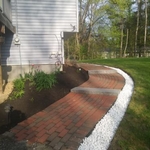
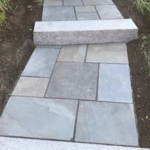
Walkway
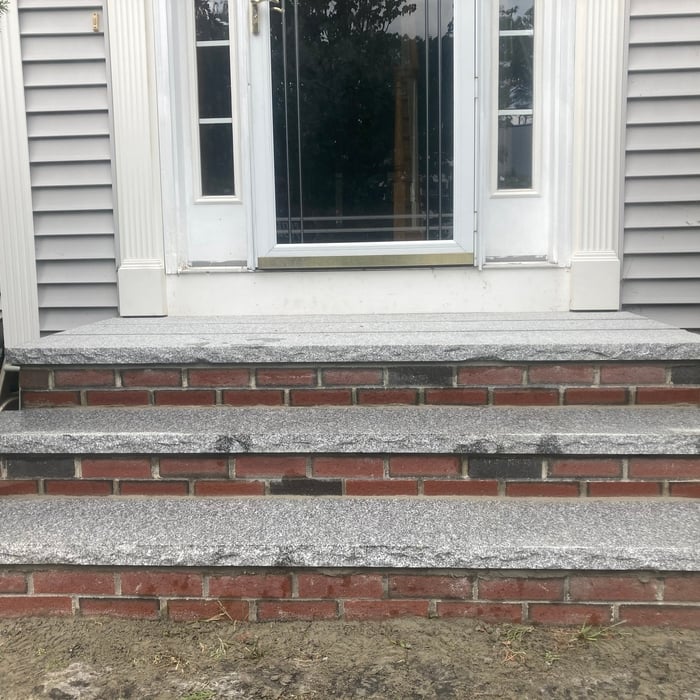
Front entry brick rises and granite treads

+2

Response time4 hrs
Response rate93%
3 neighbors recently requested a quote
...
Showing 1-10 of 189
Paving Services FAQs, answered by experts

Asphalt and tarmac are not the same thing. Traditional tarmac, short for tarmacadam, uses tar as a binder to hold crushed stone together. Asphalt uses bitumen—a byproduct of crude oil—to bind aggregate. Though tarmac was once a go-to for roads, asphalt has become the modern standard. And these days, most surfaces referred to as “tarmac” are actually asphalt. So, while the names may overlap, the key distinction lies in the binder—tar for tarmac and bitumen for asphalt.

Your city or county will have guidelines about the minimum and maximum width and length of private roads. The average private road is 12 feet wide, and length, of course, depends on your property. Requirements also depend on the amount of traffic and types of vehicles your road experiences. Check with local ordinances before planning a road on your property.

A driveway's lifespan varies by material. Asphalt driveways typically last 15 to 30 years, while concrete driveways last longer, between 20 and 50 years. The longevity of any driveway is affected by factors like extreme temperatures, heavy traffic, and the quality of maintenance. Regular upkeep, such as filling cracks, resealing the surface, and ensuring proper drainage, can help extend its life. For gravel driveways, regrading to fill in uneven areas every year or two is recommended.

If pavers are uneven but not sunken, lift the affected bricks and check the bedding sand underneath. In many cases, simply smoothing out or adjusting the sand is enough to level them. Add or remove small amounts as needed, then press the pavers back into place and tap them with a mallet until they sit evenly with the surrounding surface.

While water-related pressure caused by poor drainage is one common cause of paver cracking, other factors can include ground movement beneath pavers, heavy loads and wear and tear over the pavers, and climates with constant freeze-thaw cycles. In general, pavers should be resealed every three to five years to prevent cracking.

The Wilton, NH homeowners’ guide to paving services

From average costs to expert advice, get all the answers you need to get your job done.