





Top-rated lead testing and removal specialists.

Best lead testing and removal specialists near Orford, NH

Enter your zip and get matched with up to 5 pros

Need a pro for your lead testing and removal project in Orford, NH?

Select your specific project to find the pro for you.

Top-Rated Lead testing and removal specialists in Orford - Updated Nov 2026

Avatar for Solanna Homes LLC
Solanna Homes LLC
2.4(
5
)
Toxic Lead - AbatementToxic Lead - Testing

Serving Orford, NH and surrounding areas

In business since 1986

Free estimates

"It was a very technical job. They did a fantastic job. They were prompt and got the job done under budget. It was a completely pleasurable experience for me and I highly recommend them to anyone!"
Additional Photos
Additional Photos
Additional Photos
Additional Photos
Additional Photos

+1

Recommended by50%of homeowners
Lead Testing and Removal FAQs, answered by experts

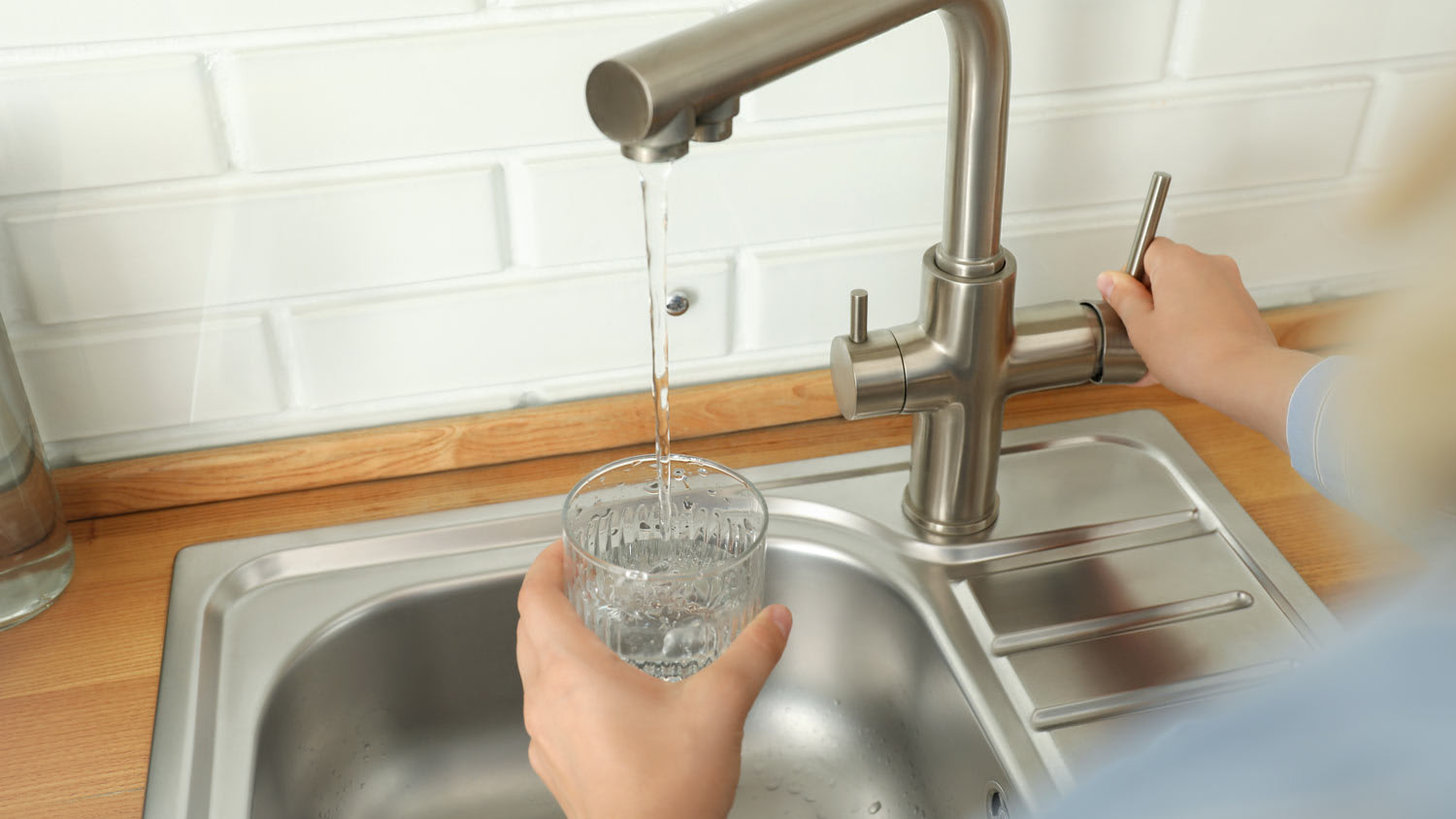
How you test for lead in your water depends on the source of your home's water supply. If you have municipal water, your local water system may offer to test the water for free or may connect you to a lab that will perform the testing.

If you have a private well that provides drinking water, you are responsible for testing it for lead. Look for a lab that is accredited by your state's Department of Environmental Protection to perform the test.

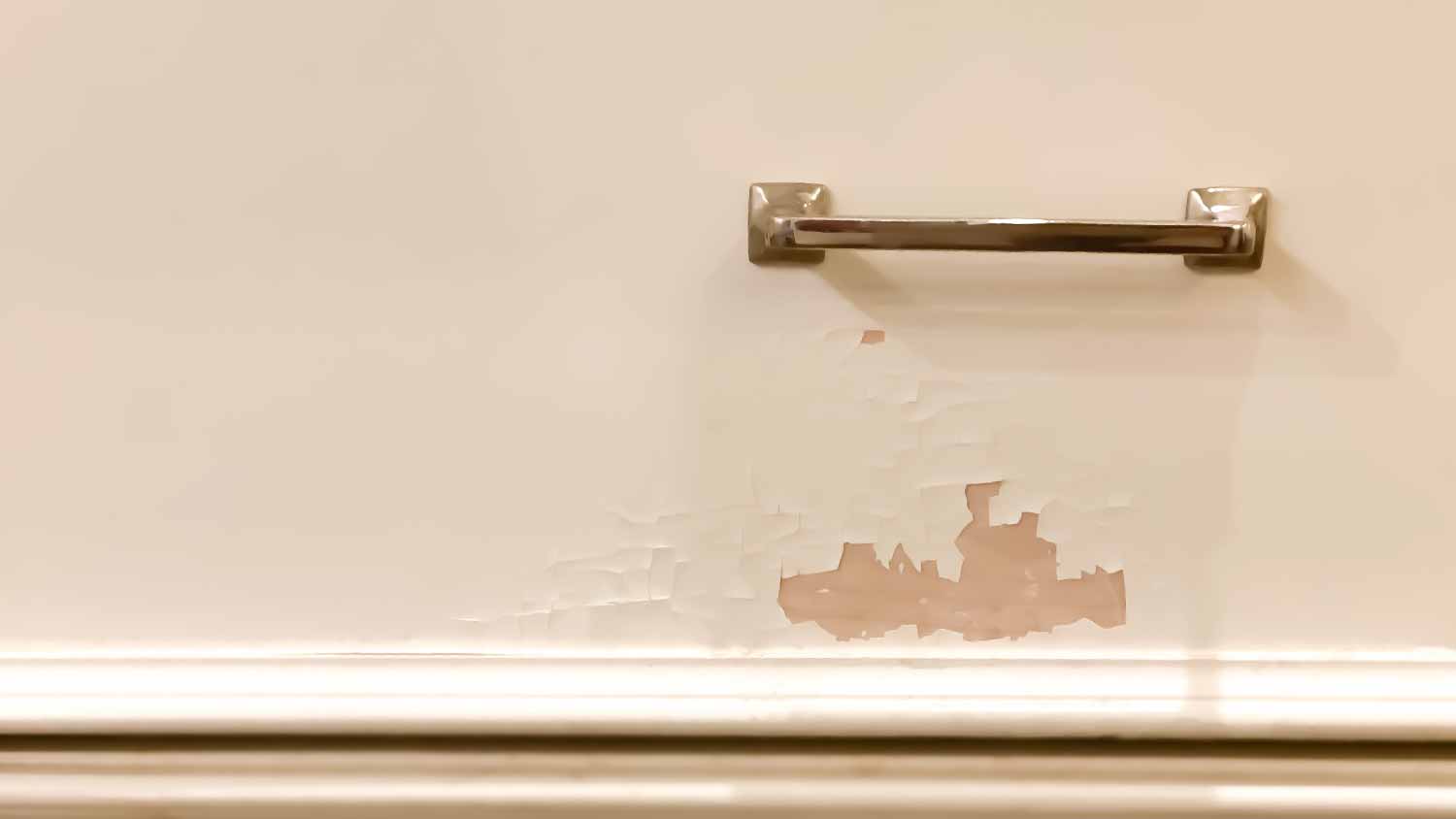
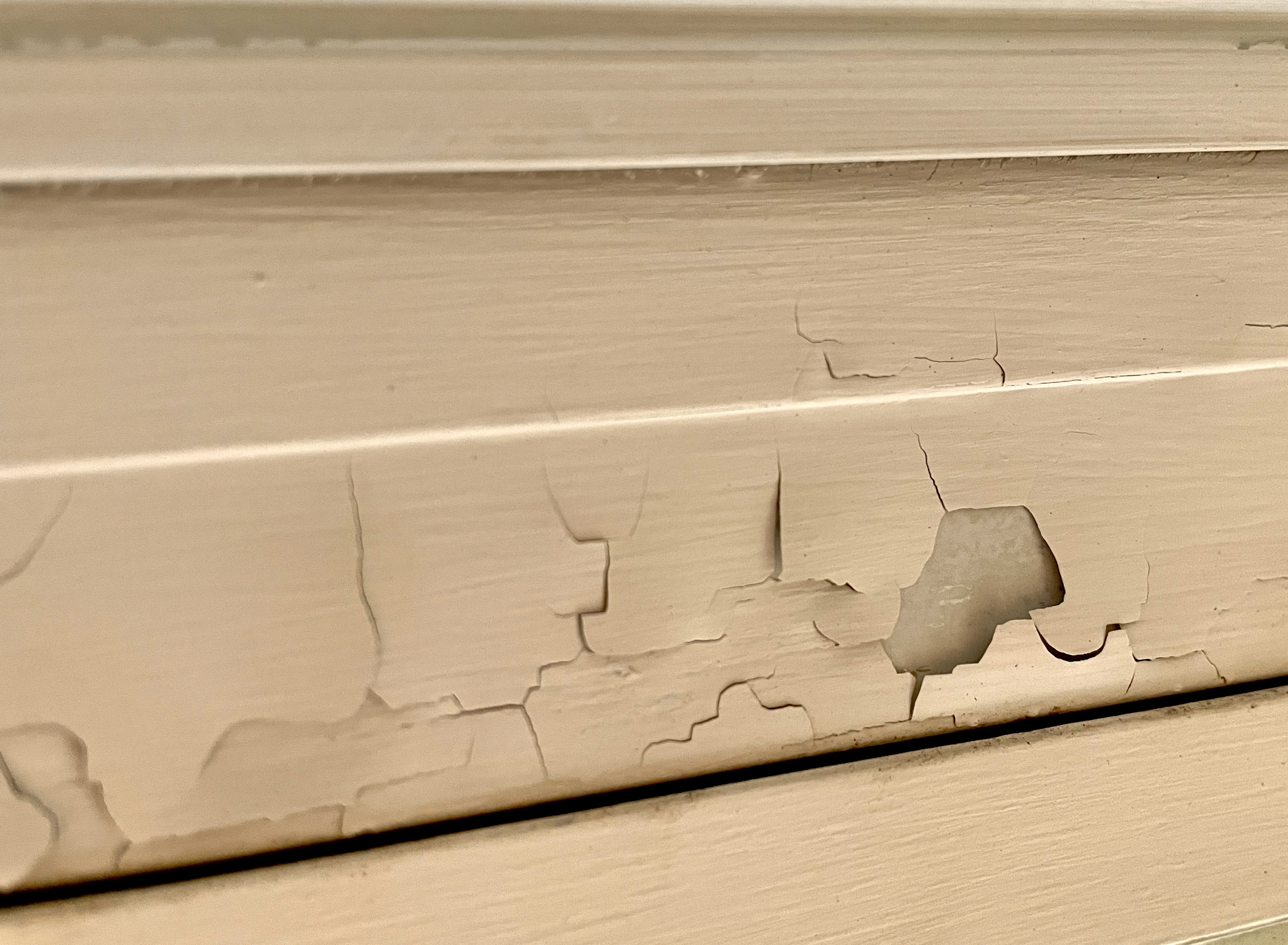
Professional lead removal involves identifying and safely removing or encapsulating lead-based paints and materials, using specialized equipment, and following strict safety procedures to minimize exposure and contamination.

A professional indoor air quality inspection takes anywhere from one to three hours, depending on the size of your home and the number of necessary samples. After the test, the specialist will discuss the findings, but you won’t get a full written report for 2 to 10 days, though you can ask your pro to expedite the process, if needed. 

According to the EPA, there is no safe level of lead in the blood, and so the maximum contaminant level goal (MCLG) for lead in water is zero. Even at low levels, lead is harmful to human health. It can also remain in the body and build up over time with repeated exposure.

Several different measurements may be used to determine the amount of lead in water. The most common unit of measurement is micrograms per liter (µg/L), which is the same as parts per billion. Another measurement is milligrams per liter (mg/L), which is the same as parts per million.

The Orford, NH homeowners’ guide to lead testing and removal services

From average costs to expert advice, get all the answers you need to get your job done.