




Top-rated lead testing and removal specialists.

Get matched with top lead testing and removal specialists in Hanover, NH

Enter your zip and get matched with up to 5 pros

Need a pro for your lead testing and removal project in Hanover, NH?

Select your specific project to find the pro for you.

Find Lead testing and removal specialists in Hanover

Avatar for Solanna Homes LLC
Solanna Homes LLC
2.4(
5
)
Toxic Lead - AbatementToxic Lead - Testing

Serving Hanover, NH and surrounding areas

In business since 1986

Free estimates

"It was a very technical job. They did a fantastic job. They were prompt and got the job done under budget. It was a completely pleasurable experience for me and I highly recommend them to anyone!"
Additional Photos
Additional Photos
Additional Photos
Additional Photos
Additional Photos

+1

Recommended by50%of homeowners
Lead Testing and Removal questions, answered by experts

According to the EPA, there is no safe level of lead in the blood, and so the maximum contaminant level goal (MCLG) for lead in water is zero. Even at low levels, lead is harmful to human health. It can also remain in the body and build up over time with repeated exposure.

Professional lead removal involves identifying and safely removing or encapsulating lead-based paints and materials, using specialized equipment, and following strict safety procedures to minimize exposure and contamination.

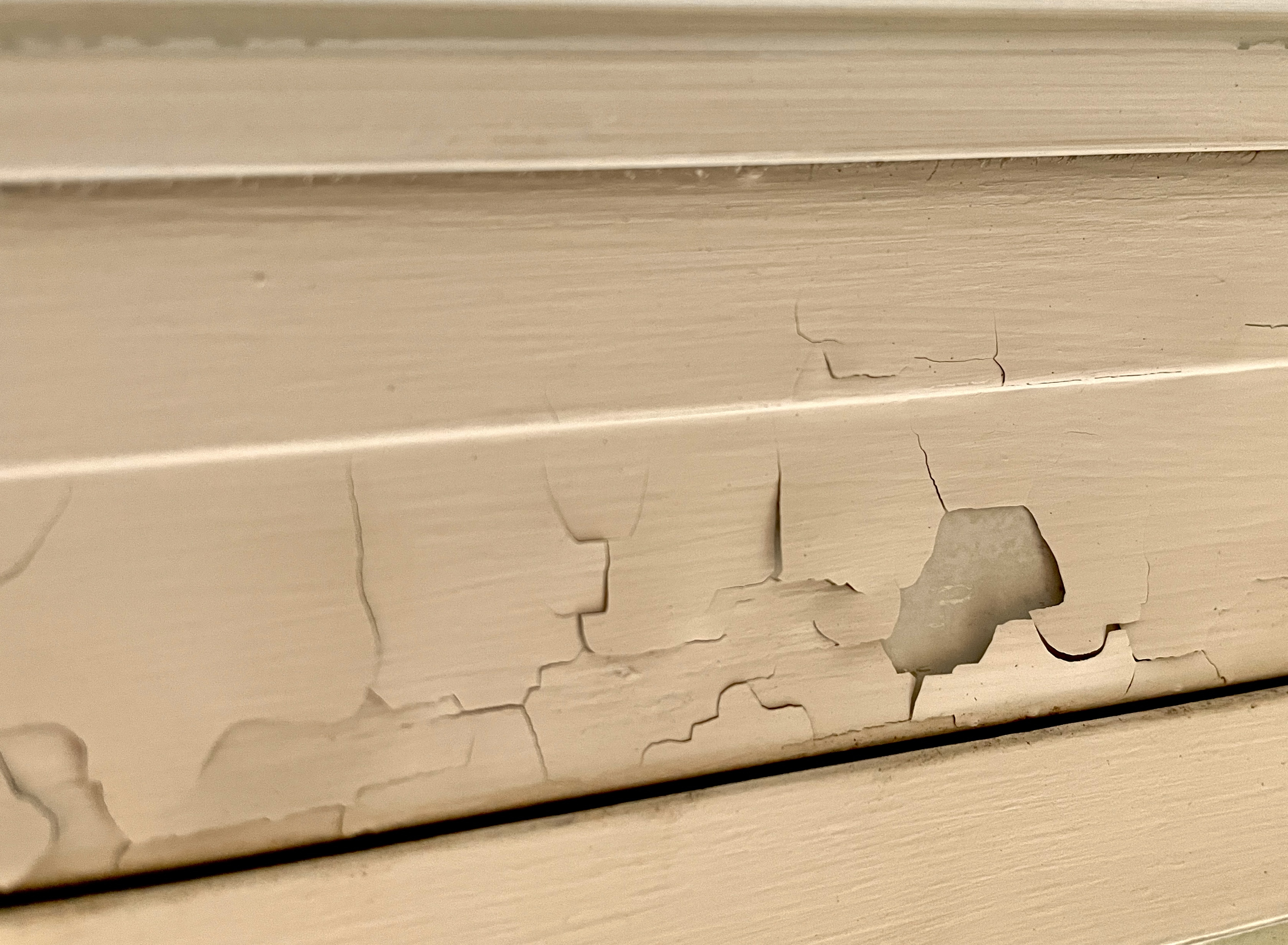
You do not have to remove lead paint if the surface is not chipping or peeling or if there are no pregnant people or children under the age of six who live in or regularly visit your home. Lead paint is a particular risk for young children whose brains and bodies are not fully developed. Experts strongly recommend that you call a pro to remove lead paint if it’s peeling or flaking, no matter who lives in the home. You can experience lead poisoning by breathing in or ingesting just a small amount of it.

Lead exposure poses serious health risks, particularly for children, and can be present in paint, pipes, and soil.

Several different measurements may be used to determine the amount of lead in water. The most common unit of measurement is micrograms per liter (µg/L), which is the same as parts per billion. Another measurement is milligrams per liter (mg/L), which is the same as parts per million.

The Hanover, NH homeowners’ guide to lead testing and removal services

From average costs to expert advice, get all the answers you need to get your job done.