







Tomahawk Flooring
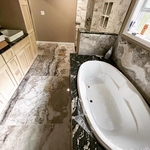
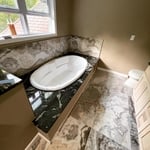
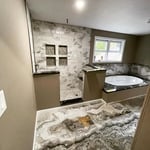
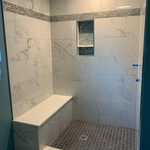
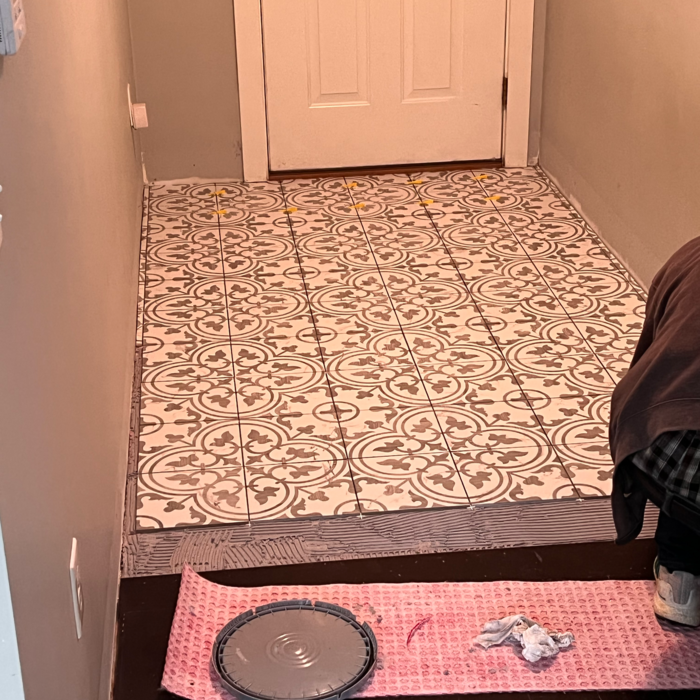
Tile: Ceramic and Porcelain - Install
Serving Gilmanton, NH and surrounding areas
Approved
Super Service Award Winner
In business since 2021
Free estimates
Warranties offered
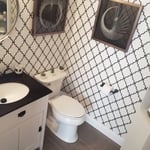
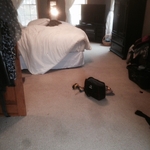
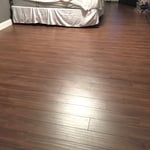
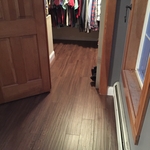
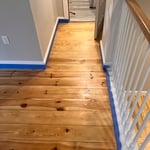
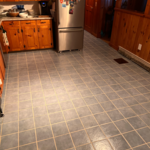
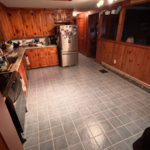
"9:31 < Messages Review for Tomahawk Flooring Awesome experience. We did not have any firsthand knowledge of contractors in the area and decided to go with an "Ang" recommendation. We were planning on having to use multiple contractors to do the jobs that we needed and were surprised and pleased to find that Tomahawk could do it all. *remove old rugs and prepare 2 sets of steps for new flooring. - install wood stairs with landings ~install click floors in 3 rooms and hallway. "repair several pieces of granite floor tiles. ~remove and replace grout from an oversized living space, kitchen, bathrooms, mud room and hallways including counter tops and breakfast bar. ~clean granite tiles that had layers of grime from previous owner. "sand and refinish wood floor and railings in loft. During the early stages of the work, we decided to make some big modifications in what we wanted to have done and Tomahawk just went with the flow. They were able to easily make the changes and come up with alternative ideas. Communication and reliability are crucial when working with contractors and we have to say that Ritchie answered each one of our questions, concerns, and requests no matter what time of day it was. We never felt neglected or worried about lack of communication. The work is being done beautifully with concern for details and it's obvious that Tomahawk takes pride in their finished labors. We have already discussed what the next step in our remodeling projects will be for winter 2023. _"
+117
Response time11 hrs
Response rate100%
Recommended by87%of homeowners