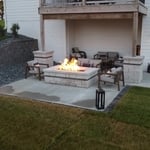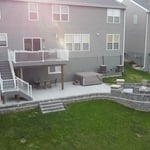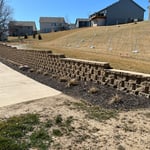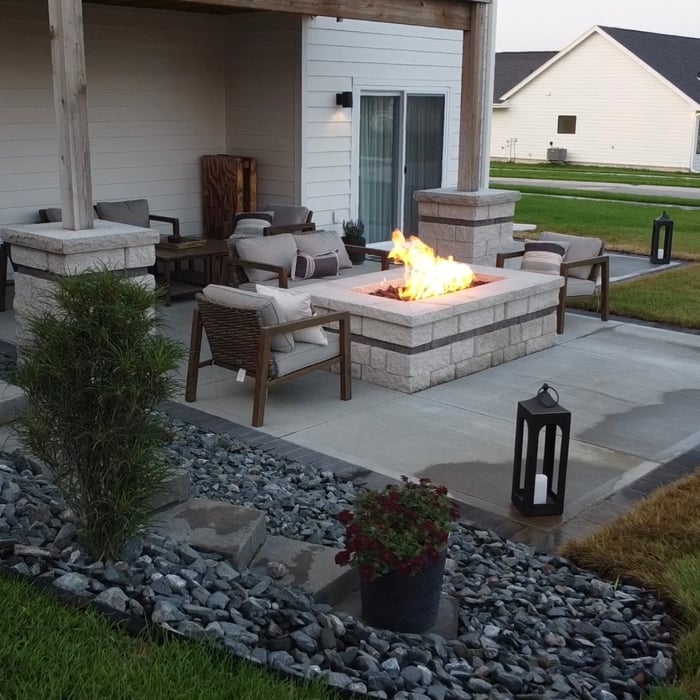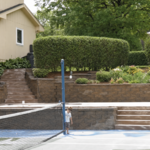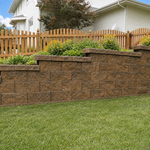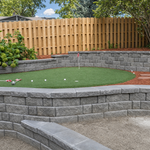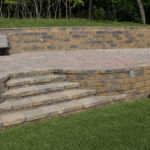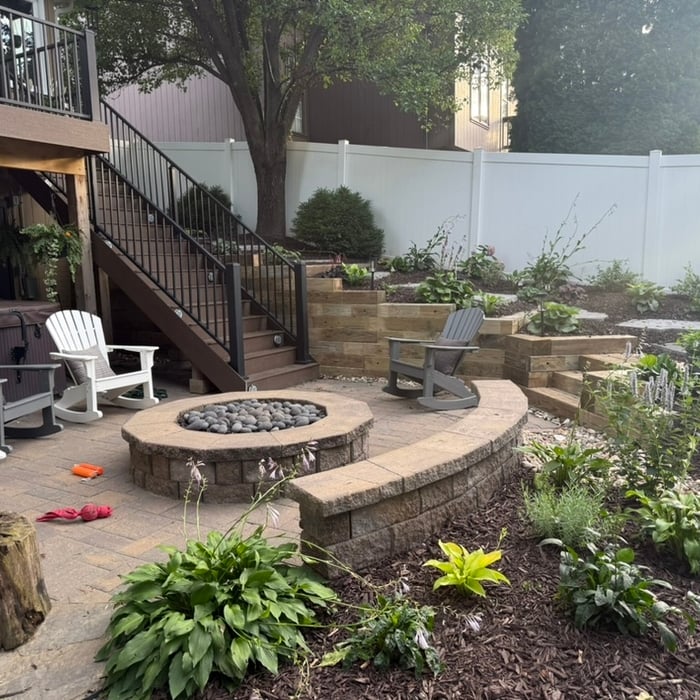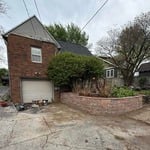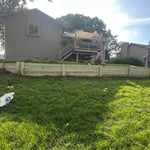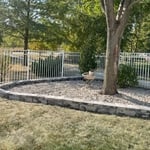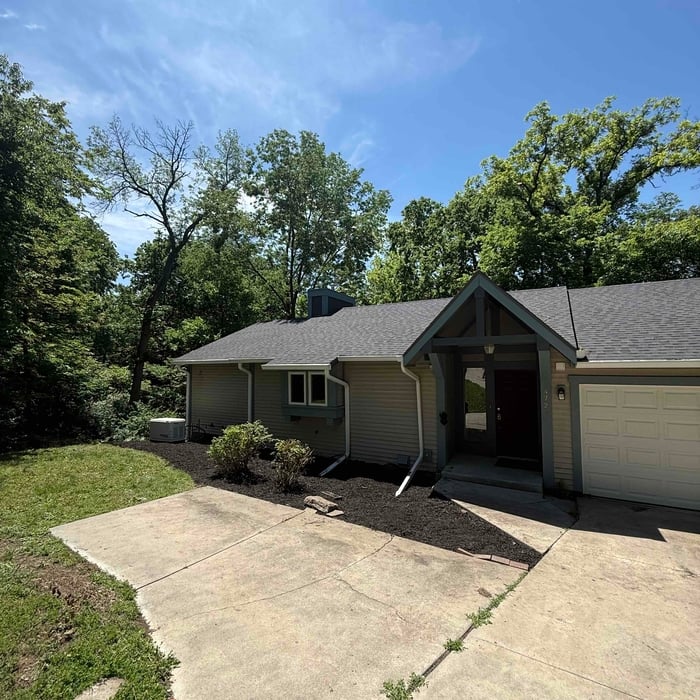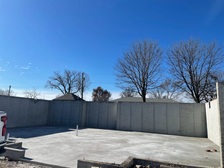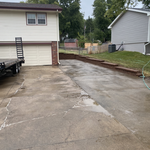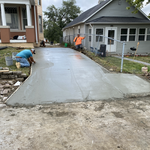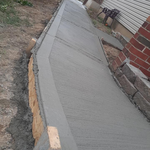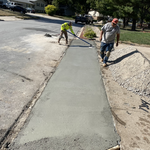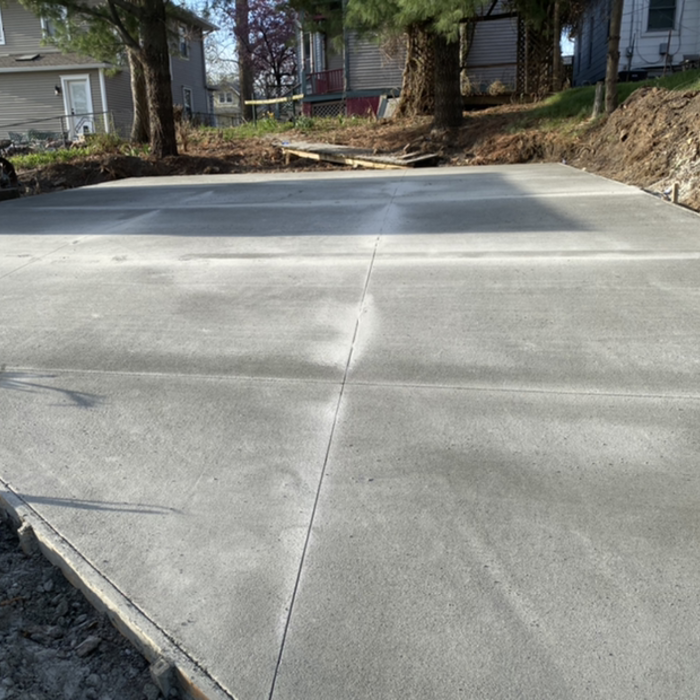






"Zian did a wonderful job for me! He was very patient, understanding and comprehensive. He explained everything well and provided me with an excellent result for our Retaining wall install! I would highly recommend"
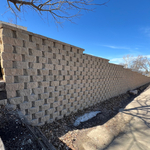
"This was not the cheapest quote for a retaining wall however owner took time to fully explain the specifics of job and was able to work with us to do work timely since we were dealing with water issues. Excellent work completed and wall looks great while solving our landscape issues. They also built a platform deck for our above ground pool to allow easy pool access. Again quality work completed as promised. Owner frequently on site during construction and was available if we had questions. Would use this company again."
My name is Terron McLean. I am the owner of McLean Earthworx LLC.\n\nI'm a new business owner stepping into the heavy equipment industry with 10 years of heavy equipment hands-on experience.\n\n8 of those years I additionally served, and continue to serve, in the US Air Force as a heavy equipment operator.\n\nWhile I know I still have a lot to learn and don’t have all the answers, I'm passionate about my work and committed to providing the best service possible. I truly value the support and understanding of my clients, as it helps me grow both personally and professionally.\n\nI'm open to taking on new challenges and trying out fresh ideas to meet your needs. Together, we can navigate the way forward, and I'm excited to build lasting relationships while delivering quality results.
Retaining Wall Installers questions, answered by experts
Proper design and construction prevent erosion and add structural stability to landscapes.
If you don’t backfill a retaining wall—either at all or adequately enough—the wall won’t drain well, and water will be able to pass through it. Poor drainage will lead to a warped wall or a buildup of hydrostatic pressure, which can eventually collapse your retaining wall. If you have particularly sloped land, consult a structural engineer to ensure your hardscaping is adding value to your home.
Through proper drainage solutions and compacting the foundation soil.
Sand and gravel are two suitable options for filling behind a retaining wall. If you’re building your own retaining wall, you’ll complete this part of the process—known as backfilling—after you finish laying the blocks. Make sure not to skip it—otherwise, you could wind up with drainage issues, which can cause your retaining wall to collapse.
Generally speaking, a retaining wall should be between 3 and 4 feet high, depending on variables such as the wall-building material, the purpose of the retaining wall, and more. If you want your retaining wall to be taller than 4 feet, check with your local building ordinance office for the maximum allotment. You may also need a special permit for retaining walls over 4 feet tall.
The Waverly, NE homeowners’ guide to retaining wall installation services
From average costs to expert advice, get all the answers you need to get your job done.
Retaining wall repair cost can vary widely based on the age and condition of the wall being restored. Learn why finding the right pro is important for getting the job done.
While it’s possible to DIY build a retaining wall, several pros have advanced knowledge of hardscaping and building. Learn who to hire to build a retaining wall.
There is no one-size-fits-all retaining wall for your yard. In fact, the options are endless. Check out 20 retaining wall ideas to upgrade your hardscape.