"He was able to quickly diagnose that the water leak from the water heater was a result of a ruptured tank, resulting in the need to replace the entire water heater."
"Service guy came as scheduled. Sent his "service" requirements to home base Home base calls back and lists, a very long list of what needs to be done and a very long list of what is not covered and what each item costs. The overall cost was outrageous and they weren't willing to give it to me in writing. Everything I had to pay for was overpriced, of course! They told me my other option would be to purchase my own water heater and they would reimburse me for what there water heater would cost, but no reimbursement for Labor, building permit, or any upgrades required by the local building department. The requirements of the building department were minimal. I went to Home Depot and had them do the installation and saved many hundreds of dollars. Lesson learned, have AHS do simpler repairs that don't require municipal building department approval. Have AHS pay for the equipment, and purchase installation from a trusted local installer."
With over 10 years of experience in the plumbing industry, we are the experts you need to take care of your home or business. We handle everything from remodeling to service requests. We will treat your home as we would treat our own. Give M & M Plumbing a call today, we look forward to working with you!
We're a locally owned and operated company with over 22 years of industry experience. We value honesty and integrity in all aspects of our business. We offer a variety of Home Improvement services that are customizable to each individual project. We specialize in handyman/carpentry work and a variety of related service and repair projects. We pride ourselves on the quality of our work as well as our commitment to outstanding results. We look forward to building lasting relationships with our clients and guarantee your satisfaction!
It takes between one and three hours to replace a hot water heater element, depending on whether you hire a pro or do the work yourself. For example, a professional plumber with all the necessary tools and experience can often finish the job in one to two hours, whereas DIY will take two to three hours because it'll involve more preparation and troubleshooting.
Yes, a heat pump water heater can work in colder climates but it’s much more effective where it’s warm. The reason is that the heat pump needs ambient warmth in the air to compress. The less warmth, the more compression required, thus using more electricity and offsetting the energy-efficient benefits.
Tankless water heaters heat water as it passes through the unit instead of storing heated water in the tank. Their ability to produce hot water on an as-needed basis makes them more efficient. However, they are generally more expensive than traditional units. Is a tankless water heater worth it? Most homeowners will save money with a tankless unit in the long run by using less energy.
Excessive pressure (above 80 psi) puts too much stress on plumbing pipes, joints, and fixtures. This can lead to leaks and burst pipes. Plus, it shortens the lifespan of appliances, can waste water, and can raise your utility bills. High water pressure might feel like a gift, but it’s actually a silent threat to plumbing.
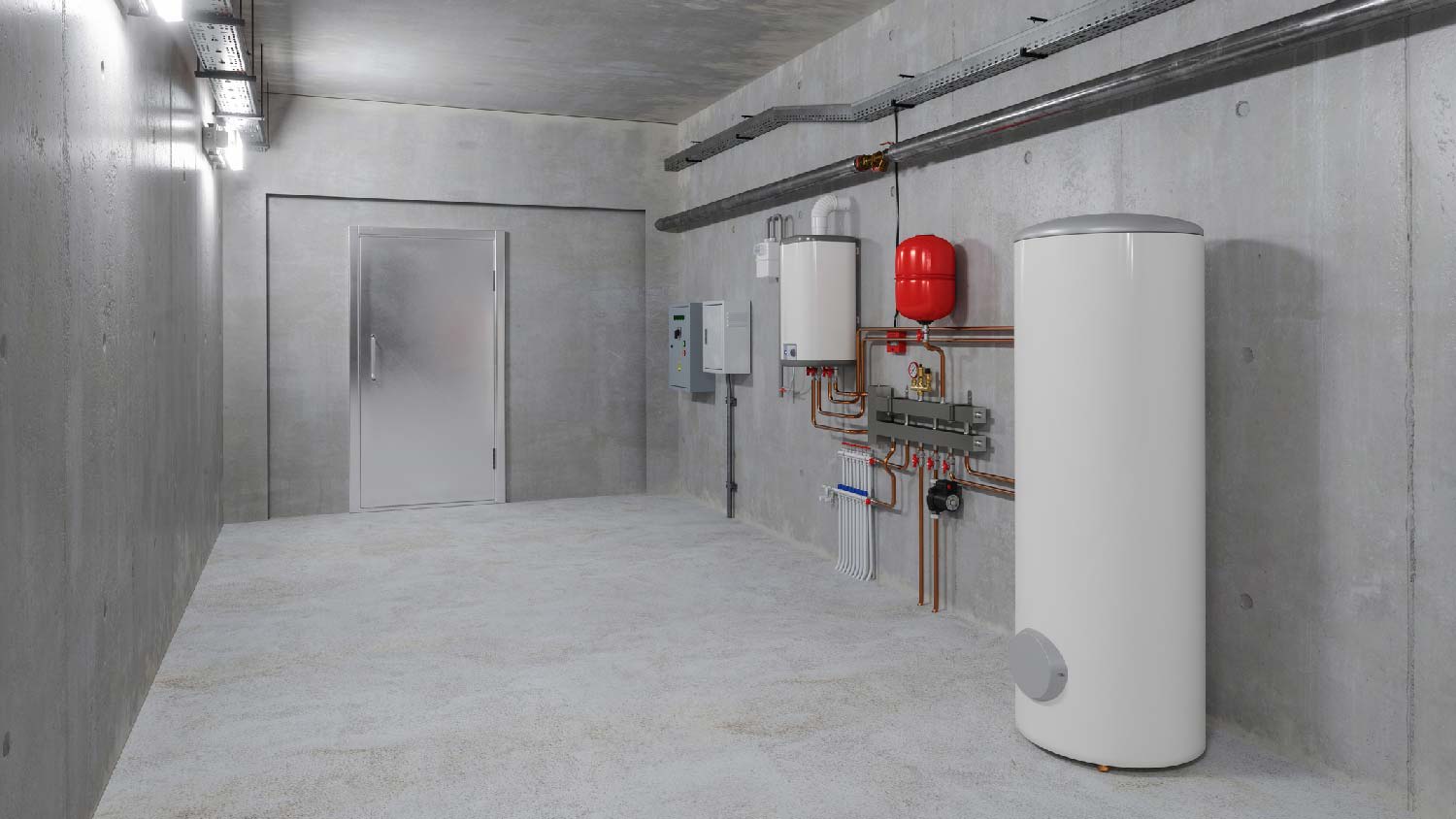
The time it takes to install or replace a water heater depends on the type of heater and the complexity of the job. A professional can typically replace a standard tank-style water heater in one to three hours. However, if the work area is tight, such as a small closet or crawl space, the job could take four to five hours. Replacing an existing tankless unit takes about two to three hours, while upgrading from a tank-style to a tankless water heater is more complex and can take four to six hours. The project will take longer if you are switching fuel sources, such as installing a gas heater which can add about an hour to the timeline, or if the unit needs to be relocated.
The Spalding, NE homeowners’ guide to water heater services
From average costs to expert advice, get all the answers you need to get your job done.
Looking to replace or upgrade your water heater? Use this water heater replacement cost guide to see what the work will cost and what factors affect your total.
A water heater flush costs $160 on average but can vary based on the unit size, type, labor, location, and more. Keep reading to learn how much you could pay.
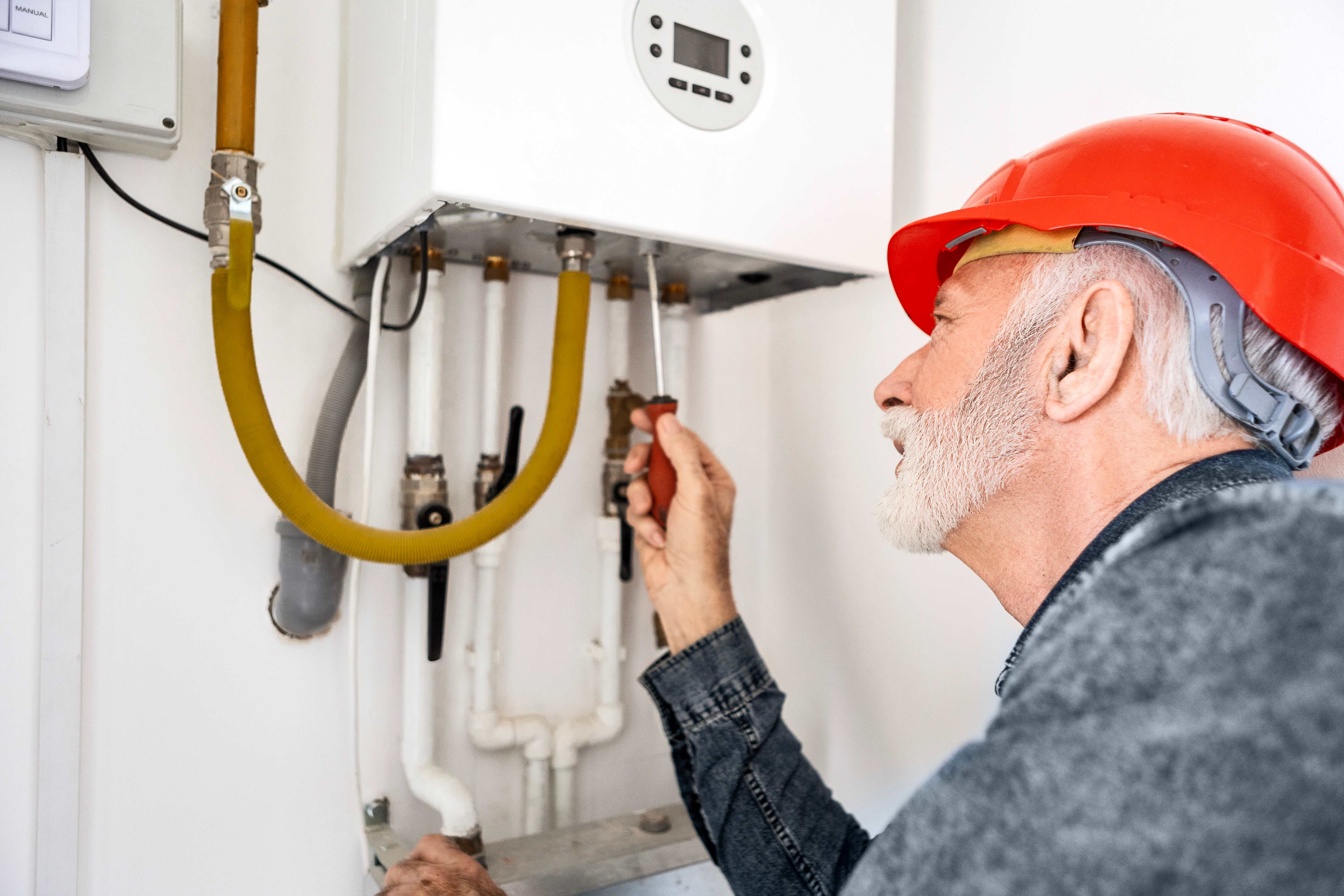
Who can install a water heater for you? Look to hire a water heater installation pro or a licensed plumber for this job because of the challenges involved.
The average lifespan of water heaters is 6 to 15 years for conventional models and up to 20 for tankless ones, but it can be less if they are not properly maintained.