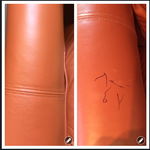
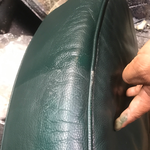
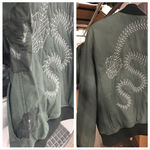
"Michelle at Premier did a great job of educating me on how to care for my 20+-year-old leather coat, on what needed to be done to renew it, and cleaned it so it was almost like new. She also took over cleaning a fine Italian wool jacket I sent her, and even found buttons to replace ones on the sleeve that had fallen off She's professional, prompt, and gets the job done! I have no worries when I send my clothes to her in Calif from Wyoming (because we have no comparable specialty cleaners here)."
Both bleach and vinegar are effective at killing and removing moss from surfaces like driveways. Bleach tends to have a longer-lasting effect, potentially keeping moss away for up to a year, whereas vinegar may require more frequent applications. However, vinegar is a non-chemical option that is gentler on the environment. A key consideration is the surface you are treating, as both substances can stain or discolor certain paver materials. It is recommended to test the solution on a small, inconspicuous area first to ensure it doesn't cause damage.
In most cases, it is best to leave icicles on your roof and allow them to melt naturally. You should only remove them if they are heavy enough to cause damage to your home or pose a safety risk to people below. Attempting to remove icicles yourself can be dangerous, so if you are concerned about immediate damage, it is recommended to hire a professional. To prevent icicles from recurring, you should address the underlying cause, which is often poor insulation. Long-term solutions include improving your home's insulation or installing roof heating coils.
You may become so frustrated with the look of moss on your roof that you contemplate whether to clean or replace your roof. Fortunately, you don’t have to go as far as replacing it. After cleaning the moss, you can use a chemical solution to keep it away. For further protection, trim branches that overhang the roof, as fallen seed pods and leaves on the roof allow moisture to collect, encouraging moss growth. Consider adding zinc-coated flashing to the roof, too. As rain washes across the zinc, it leaves zinc particles behind that inhibit moss growth.
Leaving a significant amount of snow on your roof can be risky. Most roofs are designed to handle about 20 pounds per square foot of snow, but exceeding this limit can lead to a roof collapse. A collapse can cause severe damage to your home and belongings and poses a physical danger to anyone inside. Furthermore, heavy snow accumulation increases the risk of ice dams, which can cause leaks and water damage to your roof, attic, and interior walls.
No, you should not pressure wash or power wash roof shingles, including asphalt shingles. The high water pressure from these machines is too strong and can damage the shingles by forcing water underneath, loosening their adhesive, and causing them to fall off. A safer and better alternative is soft washing with a pump sprayer. To ensure the job is done safely without causing damage, it is best to hire a local roof cleaner.
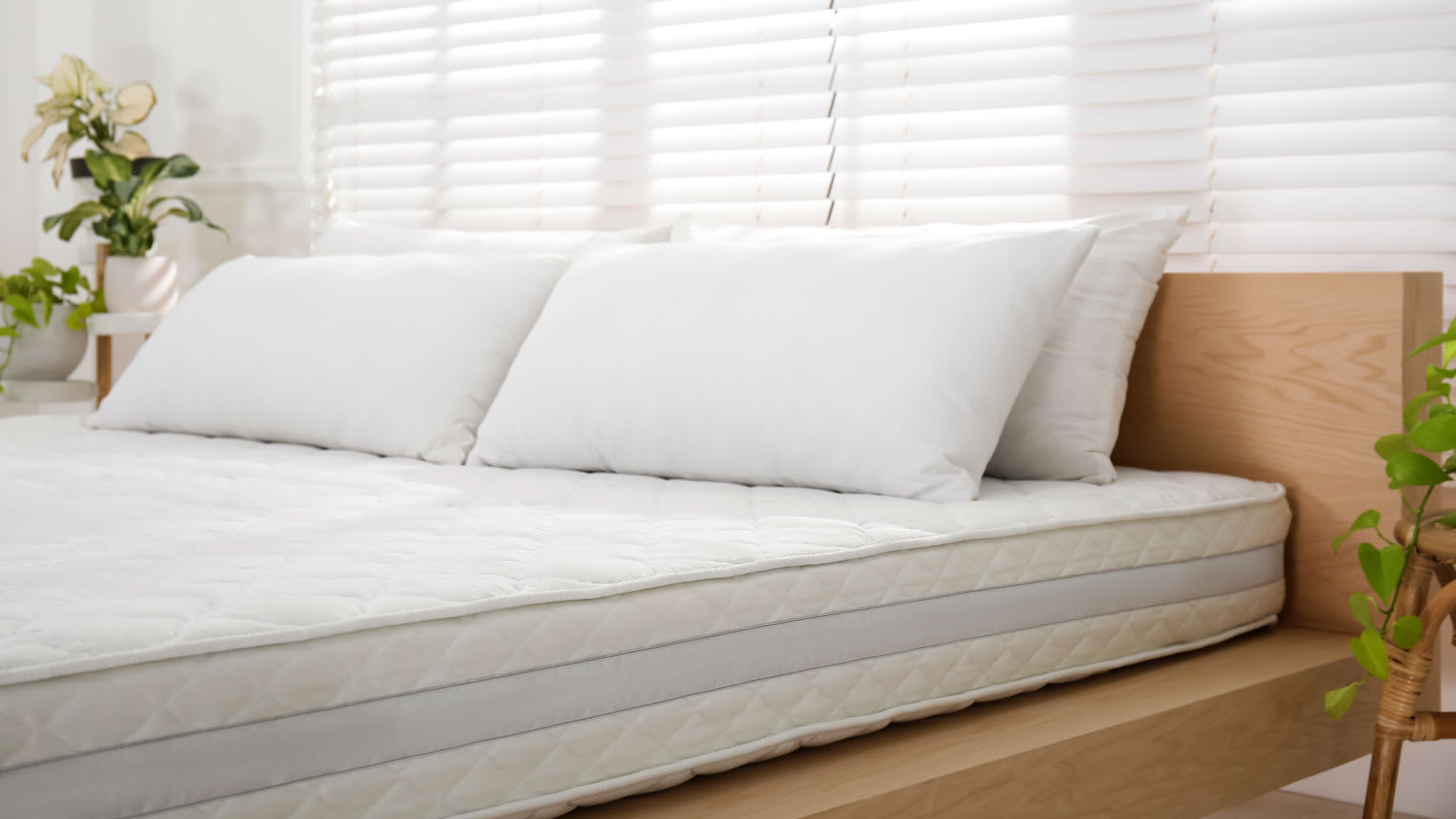
The Spalding, NE homeowners’ guide to mattress cleaning services
From average costs to expert advice, get all the answers you need to get your job done.
Mattress cleaning cost depends on the number of mattresses being cleaned and the size of each. Use this guide to better understand mattress cleaning prices.
Mattresses are considered hazardous waste, so you’ll likely have to pay disposal fees. Use this guide on mattress removal costs to see what your total will be.
Cleaning pee out of a mattress might seem like a daunting task, but you can clean up and get rid of the lingering odor with household items you already have.