We pride our company on reliability, great communication, integrity, and quality work. We are experts in our trade and will do our best to keep you as educated as we can on your particular task or project. We look forward to earning your business! Book with us online or feel free to give us a call today!\n
Energy Efficiency Auditing questions, answered by experts
Dehumidifiers typically use 300 to 700 watts of electricity per hour, whereas portable dehumidifiers use about 40 watts per hour. The exact amount of electricity your dehumidifier will generate depends on its capacity and energy efficiency. Generally, higher-capacity dehumidifiers generate more electricity than lower-capacity units, but they also usually have better energy efficiency over the long run.
Yes, pros suggest units with high EER ratings for energy savings.
Wood windows fall in the middle of the window frame materials when it comes to energy efficiency. They’re more insulating than aluminum and vinyl, but they aren’t as efficient as fiberglass or composite frames. If you love the look and lifespan of wood windows and want to maximize efficiency, you can upgrade to double-pane or triple-pane glass and consider window tinting and low-emissivity (low-E) coatings to minimize heat transfer.
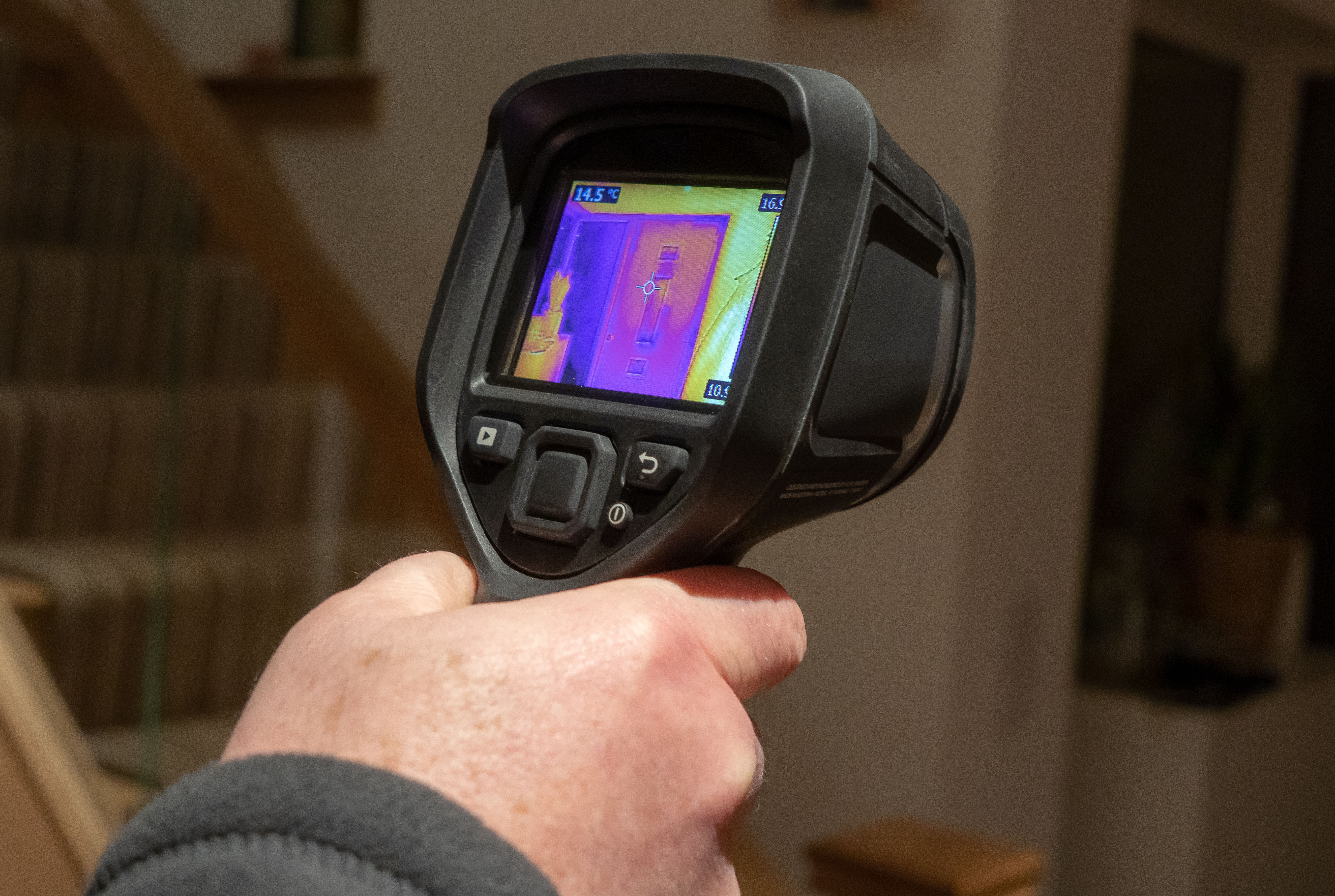
When installing a new furnace, it's a good time to consider other projects that can enhance your home's energy efficiency. A great first step is to get a home energy audit, which will identify areas for improvement. Common recommendations include sealing or replacing windows and adding insulation to the attic. These upgrades can help you save money on monthly utility costs. You might also consider installing a smart thermostat to make heating your home more convenient and efficient.
Motion-sensor lights use one watt while on standby and five watts while turned on. They’re usually on for one hour over a 24-hour period, bringing the total wattage to about 28 watts per day. LED lights use around 6.5 to 8 watts while on. If you leave an LED light on all night, with night ranging from 10 to 14 hours, you’re looking at using 65 to 112 watts a night. You can minimally cut your wattage in half by switching to a motion-sensor light.
The Spalding, NE homeowners’ guide to energy efficiency auditing services
From average costs to expert advice, get all the answers you need to get your job done.
Discover the average home energy audit cost, what impacts pricing, and how to save money on your audit. Get transparent, expert-backed cost info for homeowners.
Thinking about scheduling a home energy audit? Learn how to improve energy efficiency, lower your utility bills, and hire the right local pro for the job.