Boyles Electric LLC It can be a daunting task looking for not only the right contractor for your job but also the right contractor for you. We completely understand what you're going through. We know every customer has different desires, different needs and different schedules. We're not only here to turn your ideas into reality but to make it a memorable experience every step of the way. Call us right now, no matter where you are in the planning process.
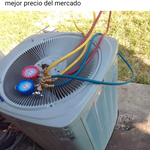
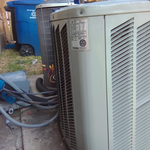
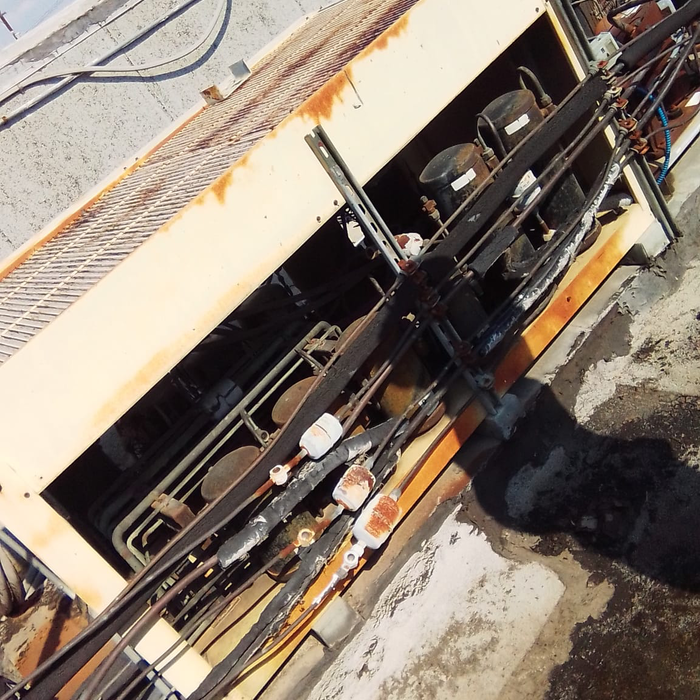
Has your a/c broken down or just not cooling? Or maybe Walk in Cooler not working? Call Us today. Walk in Cooler Repair or Walk in Freezer Commercial Refrigeration\n\nGet a free estimate. We beat any price.\n\nWe will schedule your repair /installation and provide you with quick and easy service to keep your family & business cool! We provide high-quality service to San Antonio, Austin, and surrounding areas. Texas regulated & EPA Certified.\n\n\n830-499-5009 Si Habla Espanol.\n210-895-7658\n
"AHS is ok. They cover repairs of most everything under the roof of your house. The companies that contract with them are not always the best. You call AHS with the issue, they send a fax to the repair company and give you the contact info. If they don't contact you within 24 hours, you call them. Sometimes they answer, sometimes they don't. When they arrive (usually three days or so later), they service the item. if it has issues within the 90 days, you call AHS again, they are sent out with no charge. If the serviceman decides the unit is unrepairable, AHS will allow you to choose a replacement from their listing (usually not as good as what you have) they will install and remove your old item, or give you wholesale amount to buy and install your own. Prices vary on what you want covered and what you want the copay to be, plus where you live. For me it is 49.99 per month with a 75.00 time of service order. You can have more than one item serviced at the same time under the same fee. If you have a SEAR product the repair guys are great. Not that wild about the other ones they send out. But it is a big savings compared to calling someone on your own. The cost of service is only the 75.00 copay."
Bathroom Fan Installation questions, answered by experts
Replacing an AC fan motor takes one to four hours for a pro to complete, depending on how easy or difficult it is to access the AC unit. A pro may also spend extra time inspecting the unit to make sure everything else is in good condition. It may take a few days or a week between the time a pro orders a new fan motor and when the replacement comes.
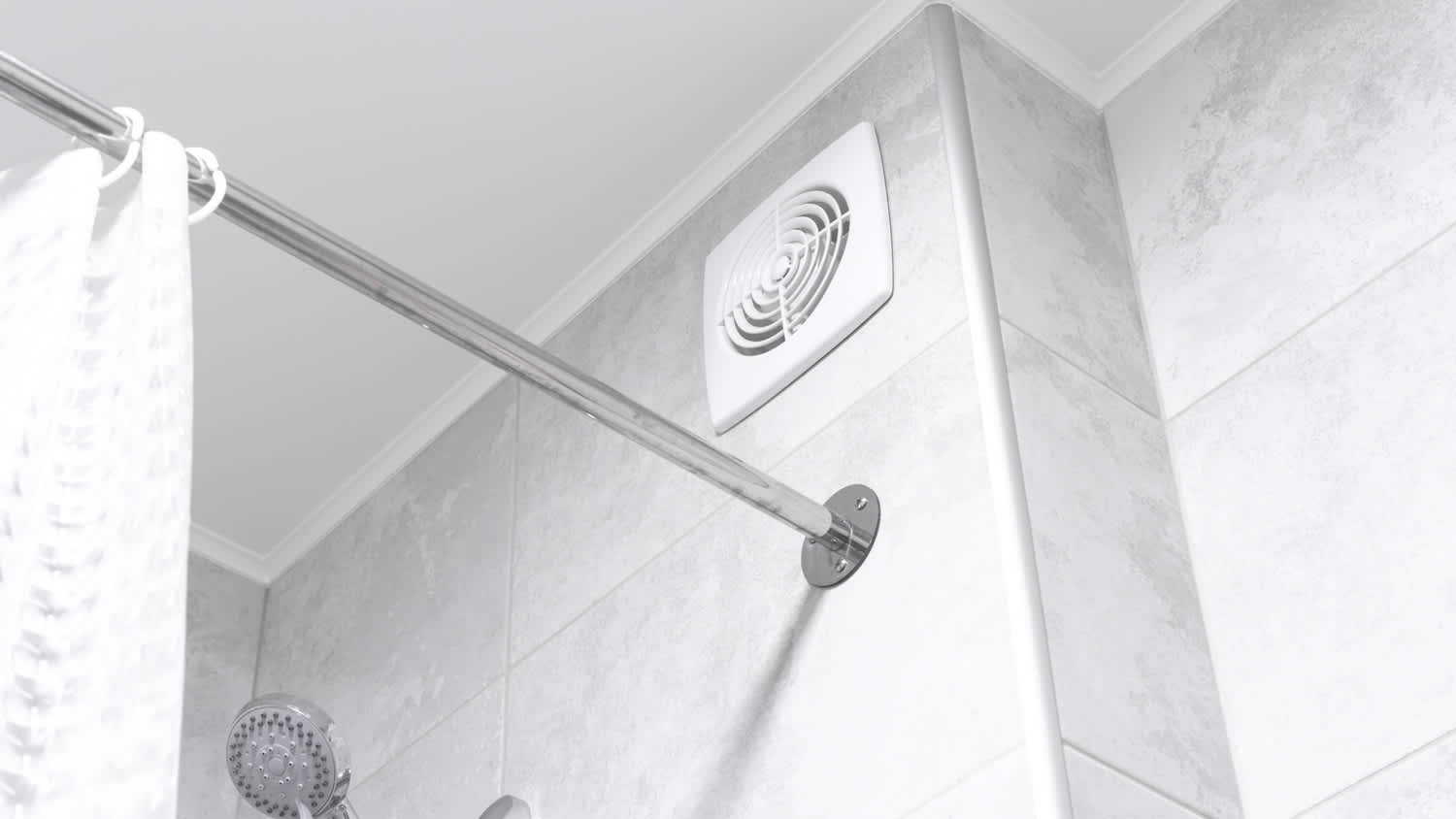
WD-40 in its liquid or aerosol form is highly flammable. Using it around live electrical parts, such as a bath fan, can generate fire and a dangerous condition. However, if you follow proper safety procedures, including disconnecting the power to the fan before working on it, WD-40 can help remove some of the grime that builds up in your bath fan.
If your ceiling fan is humming, that's usually a sign of an electrical issue. A low-pitched grinding sound could be caused by the motor or a lack of lubrication in the bearings, but a true humming sound will be caused by a failing capacitor or faulty wiring. Unless you have experience with electrical issues, you should call a pro for any ceiling humming noises.
In short, no. You can use the square footage range chart in this article to determine the right size ceiling fan for both indoor and outdoor spaces. However, weather elements can damage types of ceiling fans that aren't designed for outdoor use, so your ceiling fan should be weather-resistant if you plan to install it outside.
While wood stove fans are effective for improving heat distribution, they rely on the stove reaching a certain temperature to operate efficiently. If the stove does not generate enough heat, the fan may not start or may not move air effectively. Additionally, like any fan, wood stove fans cannot cool a stove or reduce its heat output—they only redistribute existing warmth.
The Spalding, NE homeowners’ guide to bathroom fan installations
From average costs to expert advice, get all the answers you need to get your job done.
The cost to install a bathroom fan will vary based on multiple factors, including the bathroom size, how many fans you need, the type of fan, and more.
Discover the cost to install a ceiling fan, including labor, materials, and tips to save. Learn what impacts your price and how to budget for your project.
Attic fan installation costs vary based on location, fan type, and other factors. Get the cost breakdown for labor, materials, and additional extras so you can work out your budget for this essential home renovation project.
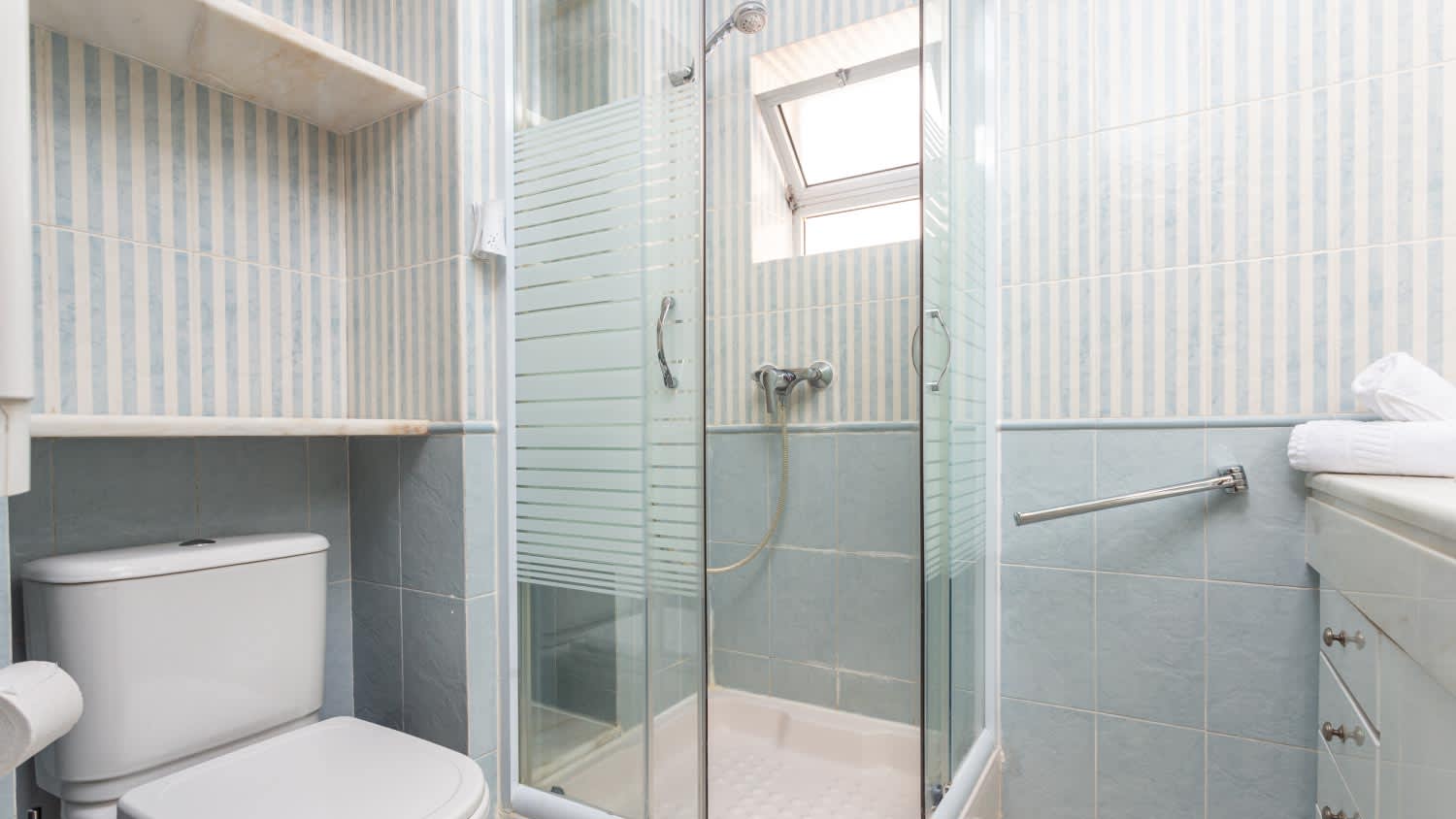
Is your bathroom trapping steam and moisture? Learn about bathroom fan installation costs, warning signs, and how to hire a local bathroom fan installer.
The sweat equity involved in bath fan installation is intense, but having a humidity-free bathroom is worth it. Here's how to install a bathroom fan and get started.