Never use Drano on blocked toilets. You can end up with a ghastly leak because the chemicals eat away at the glue that holds pipes together just as effectively as they do with clogs. Drano is known for being particularly rough on toilets, which is why some plumbers actually dislike the product.
Unfortunately, no, you cannot shower while your septic tank is being pumped. The water needs to be shut off while your septic tank is serviced, which includes showers, toilets, sinks, and dishwashers. Take a shower well before pumping is scheduled to begin. Once the pumping is complete, you can resume regular water use.
It only takes a few days for a septic tank to fill with water after a pro has pumped it. This is completely normal, and the water is a vital part of your septic system’s wastewater treatment process. The water that fills your tank days after pumping is not the same as the tank being filled with waste. You shouldn’t have to pump your septic system more than once every three to five years unless you have a tank that’s too small for your home’s water output or there’s a problem with your leach field.
The easiest thing you can do to prolong the life of your septic system is to adopt septic-safe practices. This includes not flushing non-biodegradable items, chemicals, or excessive grease down drains and scheduling regular septic tank pumping to prevent buildup. It’s also important to fix plumbing leaks promptly and to practice water conservation to avoid overloading the system. To maintain your drain field, avoid heavy vehicle traffic and plant shallow-rooted vegetation in the area. Most importantly, invest in routine inspections and maintenance to detect and address issues early.
Whether or not it’s hard to pass a perc test depends a lot on the composition of your soil. When a perc test is conducted where there’s a high concentration of sand in the soil, perc tests almost always pass. However, if your ground is dense clay or rock, it may prove difficult to pass a perc test. A low water table also helps you pass the test, as a high table means your yard isn’t draining water as efficiently.
The Spalding, NE homeowners’ guide to aquarium services
From average costs to expert advice, get all the answers you need to get your job done.
Discover mosquito control service cost estimates, including average prices, key cost factors, and tips to save on professional mosquito treatments for your home.
If you’re moving, you need to consider distance, weight, packing, and more. Our guide provides the average cost to move a 3-bedroom house long distance.
Old or worn electrical wires can interrupt the electrical supply to your home. Find out the cost to replace the wire from the meter to the breaker box.
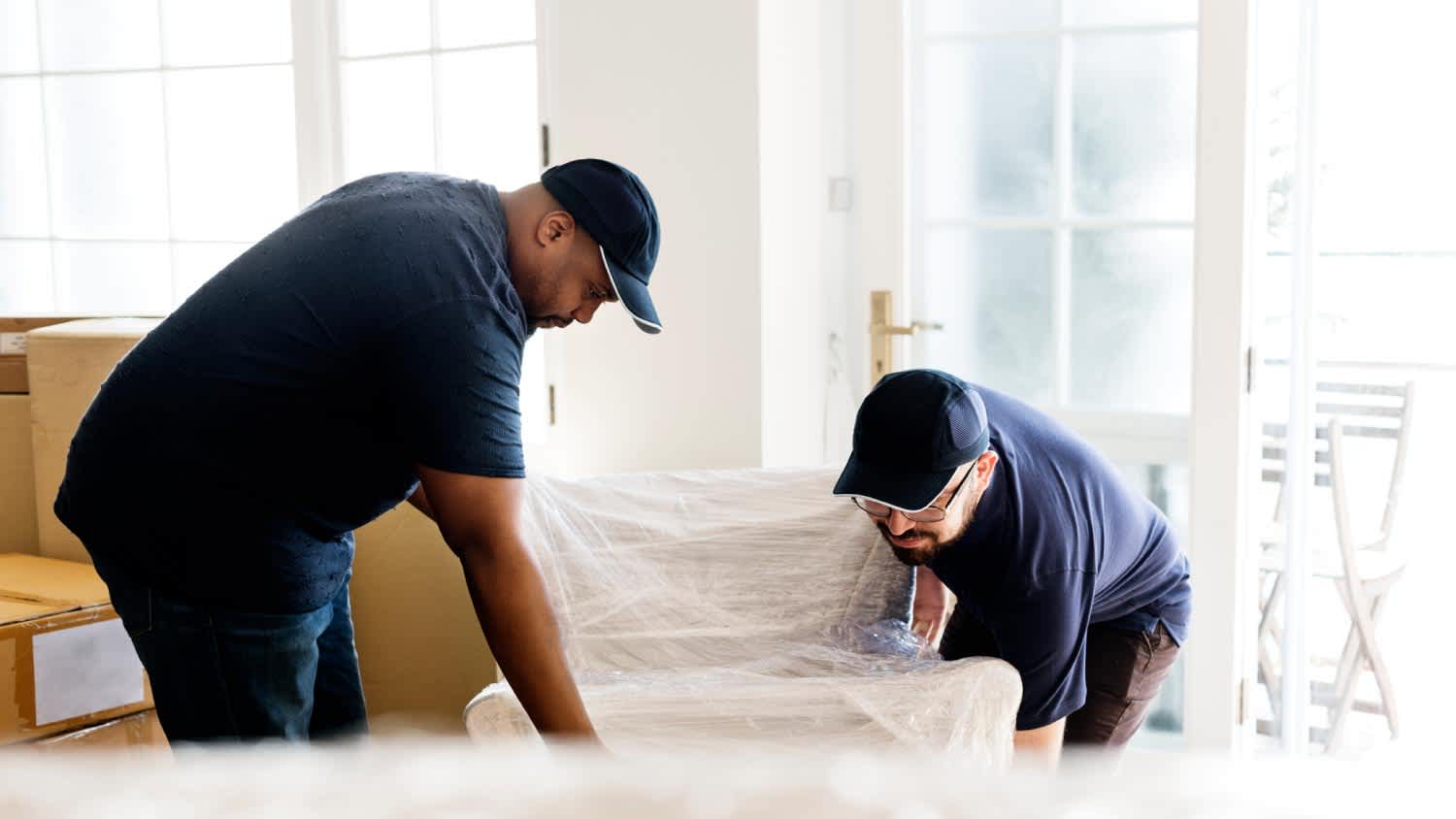
Learn about home items that are nearly impossible to move without movers, either because they are awkwardly shaped, too heavy, or require special equipment.