

Top-rated toilet pros.

Get matched with top toilet pros in Sidney, NE

Enter your zip and get matched with up to 5 pros

Need a pro for your toilet service project in Sidney, NE?

Select your specific project to find the pro for you.

Find Toilet pros in Sidney

Avatar for Chappell Plumbing LLC
Chappell Plumbing LLC
5.0(
4
)
Drain Clog or Blockage - Clear

Serving Sidney, NE and surrounding areas

In business since 1995

Free estimates

Credit card accepted

"Otis knows his business! He did excellent work replacing pipe going my septic and kitchen pipes that were clogged. He also accommodated me for payment which is very rare. I highly recommend Otis."
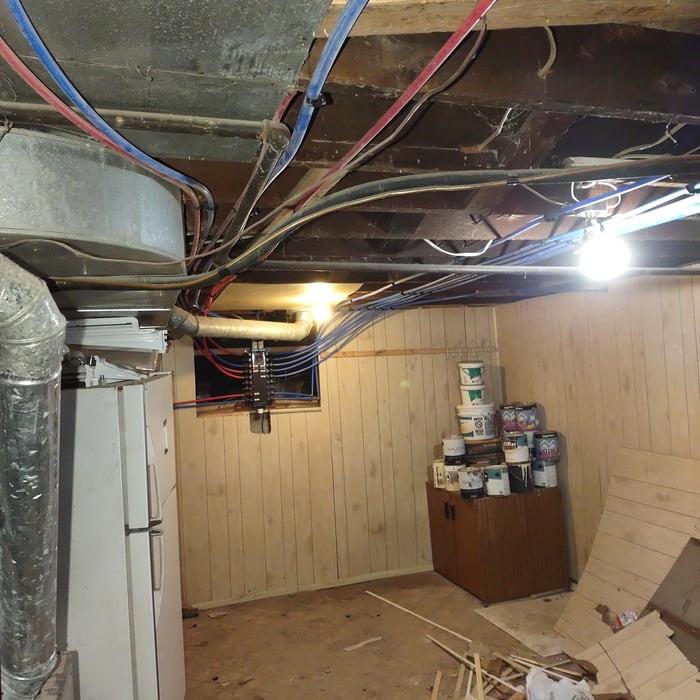
Photos of my work
Photos of my work
Photos of my work
Photos of my work
During & after

+25

Response time10 mins
Response rate100%
Recommended by75%of homeowners

Peranni Handyman
New to Angi
Drain Clog or Blockage - Clear

Serving Sidney, NE and surrounding areas

In business since 2018

Free estimates

We're a locally owned and operated company with over 22 years of industry experience. We value honesty and integrity in all aspects of our business. We offer a variety of Home Improvement services that are customizable to each individual project. We specialize in handyman/carpentry work and a variety of related service and repair projects. We pride ourselves on the quality of our work as well as our commitment to outstanding results. We look forward to building lasting relationships with our clients and guarantee your satisfaction!

Toilets questions, answered by experts

To drain a broken toilet, place towels or plastic sheeting around the base in case of splashing or overflowing. Next, shut off the toilet’s water supply, usually via a valve on the wall behind the toilet. Begin flushing the handle to remove as much water as possible from the tank and the bowl. Don’t flush the toilet if it’s clogged, though. From there, use a large sponge to soak up any remaining water and wring it over a bucket. 

Yes, you can have a toilet without a septic tank. However, it will have to be a composting toilet. Composting toilets work similarly to aerobic septic systems in that the waste, which sits in a separate compartment below the toilet itself, is slowly broken down by aerobic bacteria. These toilets typically have a vent to get rid of harmful gasses with a fan, which requires a battery. You will have to dispose of waste in the toilet manually every three weeks to every three months, depending on how many people are using the toilet.

No, your toilet tank should not empty completely when you flush. Although the water level will dip a lot after you flush, it shouldn’t be totally empty. If your tank is empty, you might have issues with your fill valve, float ball, or toilet trip lever. You should check all of your toilet parts to ensure they’re working correctly and make any necessary adjustments.

Sometimes, your insurance policy may cover leaking toilet repair. However, home insurance policies typically do not cover any plumbing problems. They do cover water damage caused by a busted pipe or a major leak. Some insurance companies also have riders that expand your initial coverage to include plumbing items. Talk to your agent for more information.

The most practical and common setup is a toilet that connects with the sewer line or a septic tank. However, it is possible to install a toilet without a sewer line, and this can be particularly helpful in basements with no or outdated plumbing. An increasingly popular option is an environmentally friendly composting toilet. Other waterless options include incinerating or dry flush toilets, which pull the waste into an airtight container.

The Sidney, NE homeowners’ guide to toilet services

From average costs to expert advice, get all the answers you need to get your job done.