


Top-rated generator install pros.

Get matched with top generator install pros in Schuyler, NE

Enter your zip and get matched with up to 5 pros

Need a pro for your generator install project in Schuyler, NE?

Select your specific project to find the pro for you.

Find Generator install pros in Schuyler

Spark Electric Company
New to Angi
Fixed Generator - InstallGenerator - Install - For BusinessPortable Generator - Install

Serving Schuyler, NE and surrounding areas

Approved

In business since 1996

Free estimates

Offers commercial services

Spark Electric Company is committed to excellence in every aspect of our business. We uphold a standard of integrity bound by fairness, honesty, and personal responsibility. Our distinction is the quality of service we bring to our customers. Accurate knowledge of our trade combined with ability is what makes us true professionals. Above all, we are watchful of our customers' interests, and make their concerns the basis of our business.\n

Response time4 hrs
1 neighbors recently requested a quote
Avatar for JP Electric, Inc.
JP Electric, Inc.
5.0(
21
)
Fixed Generator - InstallGenerator - Install - For Business

Serving Schuyler, NE and surrounding areas

In business since 2004

Free estimates

Emergency services offered

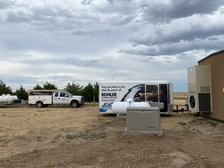
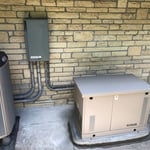
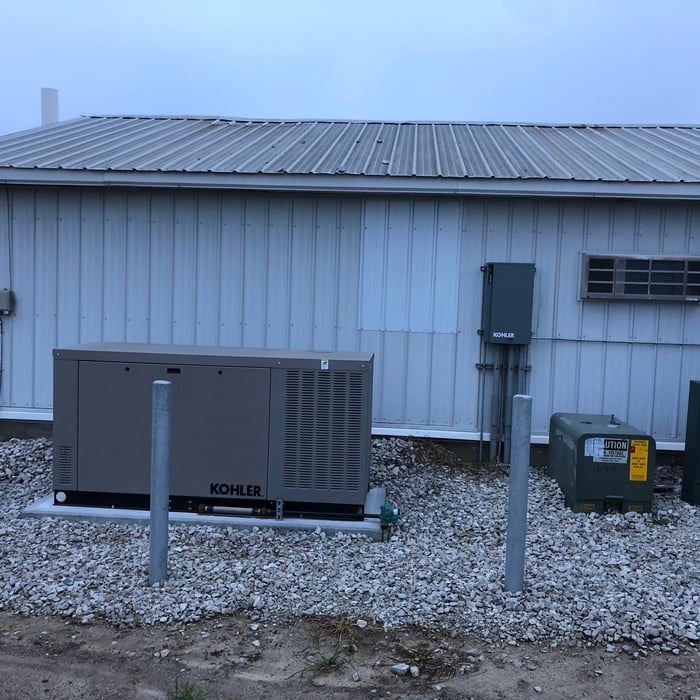
"JP Electric re-defines professionalism in every respect... We had two Kohler generators installed on adjacent properties, and from the initial quote to the final cleanup we were dealing with superbly qualified and professional individuals. The installation was A+ in terms of fit and finish, and Jeff was on top of every aspect of the process, even lining-up the gas company, and the permit officials so that the tasks to be done inside could fit our schedules. We will have JP Electric install another generator at a rental property next Spring and we look forward to what we already know will be a great installation and follow-up service!"
Kohler 48RCL
KOHLER 20RESD
KOHLER 20RESC
KOHLER 60KW industrial
Kohler 48RCL

+22

Response time1 day
Response rate89%
Recommended by95%of homeowners
Generator Install questions, answered by experts

If you’re wondering whether gas generators produce carbon monoxide, know that natural gas generators do not produce carbon monoxide if they are functioning properly, as natural gas burns cleanly. However, if the generator malfunctions and the gas does not burn completely, there is potential for carbon dioxide to be produced. To prevent malfunctions, it's crucial to perform regular maintenance, including running the generator weekly and scheduling professional inspections every 6 to 12 months. Also, be sure to test your carbon monoxide detectors regularly to ensure they function in the rare case of the generator producing carbon monoxide.

Generally, you’ll want to keep between 60 and 70 feet between the generator and the transfer switch. There are a few reasons for this, including:

  • The distance reduces the noise coming from the generator into your home.

  • It increases efficiency because you won’t have a voltage drop from this short of a distance.

  • Prevents carbon monoxide poisoning: keep at least 15 feet between your generator and an open window. 

In some situations, yes. Never try to put biofuel into any home generator without checking the specifics first. If a generator has the ability to run on diesel, it can also run pure biofuel (the clear kind made from seed oils, for example). But if you are using biofuel made from animal fats or vegetable oils, the generator will need significant modifications before it can handle a sludgier type of biofuel.

Homeowners can often access federal tax credits, such as the Investment Tax Credit (ITC), which covers a percentage of installation costs. Many states and utilities offer additional rebates, grants, or performance-based incentives. These programs can significantly lower your upfront investment. Check the Database of State Incentives for Renewables and Efficiency (DSIRE) or contact your local energy office for current offers.

To determine the right size generator for your house, you should calculate the total wattage of the appliances and devices you want to power during an outage. List all essential items, note their start-up wattages, and add them together.

Here are some typical wattage requirements for common appliances:

  • Refrigerator: 600 watts

  • Large dehumidifier: 700 watts

  • Large window air conditioner: 1,400 watts

  • Water heater: 3,000 to 4,500 watts

  • Electric furnace: 5,000 to 25,000 watts

A 7,500-watt generator might be sufficient for essentials like a refrigerator, freezer, well pump, and lighting circuits. However, for high-demand items like a water heater or furnace, a whole-home generator is a better choice. A portable generator may be enough if you only need to power a few critical items.

While home square footage can offer a rough estimate, it is not always a reliable indicator. For reference, here are some typical generator sizes based on square footage:

  • 1,000 sq ft: 6–9 kW

  • 1,500 sq ft: 7–10 kW

  • 2,000 sq ft: 10–14 kW

  • 2,500 sq ft: 12–16 kW

  • 3,000 sq ft: 16–20 kW+

For the most accurate sizing, consult a professional who can calculate your home's peak and average power consumption and recommend the optimal generator.

The Schuyler, NE homeowners’ guide to generator installs

From average costs to expert advice, get all the answers you need to get your job done.