


Get matched with top generator install pros in Stanton, NE
Top-rated generator install pros.

Need a pro for your generator install project in Stanton, NE?

Select your specific project to find the pro for you.

Find Generator install pros in Stanton

Avatar for JP Electric, Inc.
JP Electric, Inc.
5.0(
21
)

Serving Stanton, NE and surrounding areas

In business since 2004

Free estimates

Emergency services offered

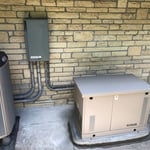
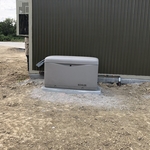
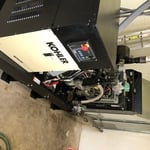
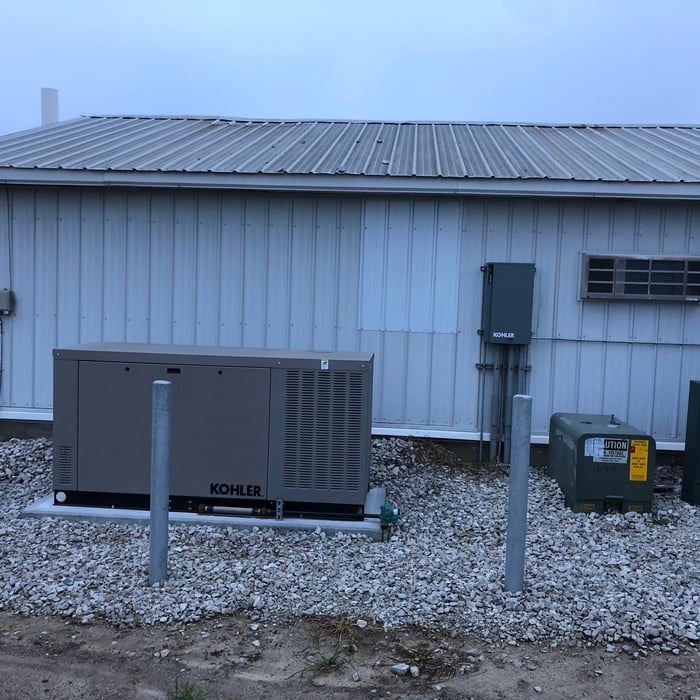
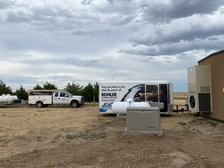
"JP Electric re-defines professionalism in every respect... We had two Kohler generators installed on adjacent properties, and from the initial quote to the final cleanup we were dealing with superbly qualified and professional individuals. The installation was A+ in terms of fit and finish, and Jeff was on top of every aspect of the process, even lining-up the gas company, and the permit officials so that the tasks to be done inside could fit our schedules. We will have JP Electric install another generator at a rental property next Spring and we look forward to what we already know will be a great installation and follow-up service!"
Kohler 48RCL
KOHLER 20RESD
KOHLER 20RESC
KOHLER 60KW industrial
Kohler 48RCL

+22

Response time1 day
Response rate89%
Recommended by95%of homeowners

Echo Group
New to Angi

Serving Stanton, NE and surrounding areas

In business since 2000

Free estimates

Credit card accepted

When it comes to standby generator sales and service, Echo Group Inc. has the power! With generators by Generac, Siemens, Winco, Kubota, Winpower, Tiger-power, Milbank and many others, we provide professional and affordable generator service for residential, commercial, and industrial standby, mobil, and portable units for homeowners and business owners needing the piece of mind that the convenience a generator provides. No matter what your application is, Echo Group Inc. can help. Call us today!

Generator Install questions, answered by experts

You can expect a diesel generator to last for up to 30,000 hours of use, which works out to 20 to 25 years with the proper maintenance, of course. That depends on how much you use it, so a diesel generator used for emergencies a couple of times a year will last a lot longer than a generator that takes over for a faulty electrical grid every month for a day or two. 

You can determine what size generator you need for a transfer switch by matching the switch to the largest outlet on your generator. Larger generators can power up to 10 circuits, while most 5,000-watt generators can provide power to six circuits. So, if your generator’s largest outlet is 30 amps, you’ll need a 30-amp transfer switch.

Most homeowners won't be able to claim a home generator as a tax write-off. However, a whole-house generator may be tax-deductible in certain situations depending on its purpose. For instance, if it's needed to power essential medical equipment, it may qualify as a medical expense deduction. Also, in some cases, businesses can deduct a generator as a business expense if it supports operations. Always consult a tax professional to determine eligibility based on your specific circumstances and the applicable IRS regulations.

The average cost to install a home generator is $5,200, but total costs can range from $500 to $18,000 or more. The final price depends on several factors, including the generator's size, type, brand, fuel source, and the cost of labor and assembly. The generator's size is the most significant cost factor, as units that can power larger homes with higher energy demands cost more.

Cost breakdowns by generator type are typically as follows:

  • Portable or Emergency Backup Generators (1kW–7.5kW): $500–$2,000

  • Partial-Home Generators (9kW–20kW): $2,000–$6,500

  • Whole-House Generators (22kW–48kW): $5,000–$18,000

To ensure you get the right size unit for your needs without overpaying, consider hiring an electrician to calculate the electrical load of your essential appliances. It is also recommended to get at least three quotes from qualified installers to find the best fit for your budget.

Setting up utilities on a vacant property usually takes at least a few months, or between 6 weeks to 16 weeks. This process requires working with the local planning and zoning department, hiring a building contractor or engineer to design the utility layout, securing permits, laying the lines, and connecting the utilities.

The Stanton, NE homeowners’ guide to generator installs

From average costs to expert advice, get all the answers you need to get your job done.