






Top-rated concrete mudjacking pros.

Get matched with top concrete mudjacking pros in Rushville, NE

Enter your zip and get matched with up to 5 pros

Need a pro for your concrete mudjacking project in Rushville, NE?

Select your specific project to find the pro for you.

Find Concrete mudjacking pros in Rushville

Avatar for Tillotson Enterprises, Inc.
Tillotson Enterprises, Inc.
5.0(
1
)

Serving Rushville, NE and surrounding areas

In business since 1997

Free estimates

Credit card accepted

"They did a really good job. They were very knowledgeable and explained what they were going to do. They were very professional. I highly recommend them."
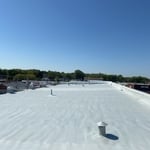
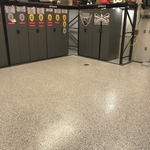
Finished photo
After application of Top coat
Kearney Crime Lab
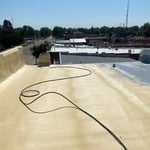
Roof after polyurethane foam & base being appl
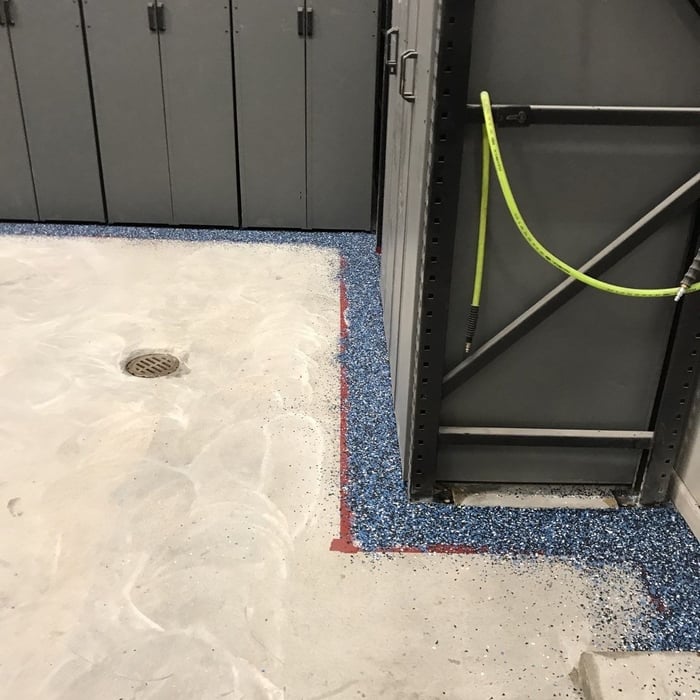
Edge work

+8

Response time1 day
Response rate96%
Recommended by100%of homeowners
Concrete Mudjacking questions, answered by experts

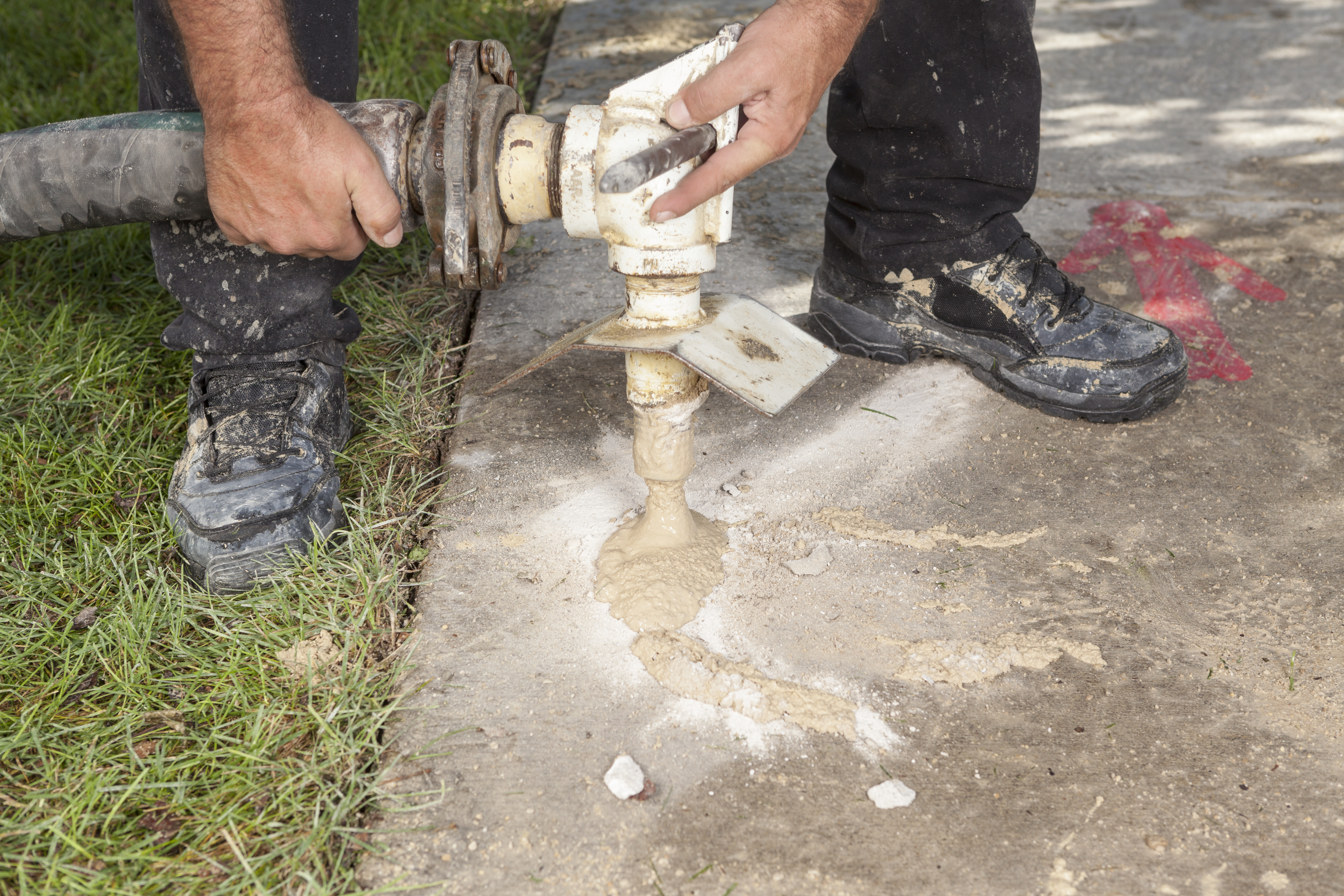
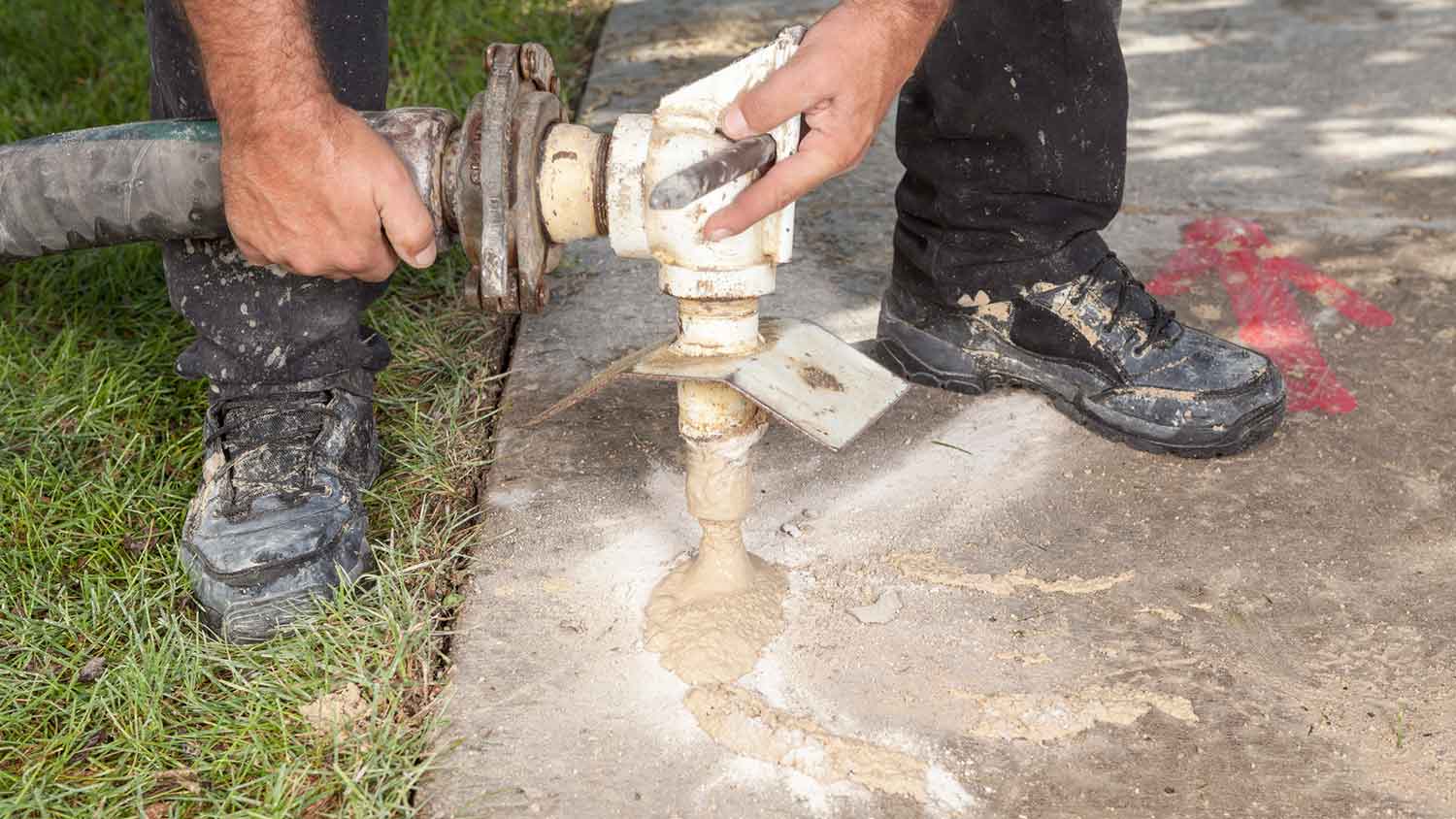
Mudjacking typically takes 24 to 72 hours (one to three days) to dry and cure completely before you can resume normal use. The exact time can vary depending on the size of the project. Because the slurry mixture contains cement, it must fully harden to ensure that added weight from walking, furniture, or vehicles won't shift the concrete slab. A professional contractor can advise you on when the surface is safe to use. For comparison, if you use polyjacking instead, the polyurethane foam can dry in just a few minutes, but it's best to wait about an hour before use.

Common issues with concrete that may require professional repair or resurfacing include cracks, spalling, uneven surfaces, and weather damage.

Yes, expanding foam (also known as polyurethane foam) can lift concrete. This approach, called polyjacking, involves injecting the foam rather than concrete slurry to fill voids and raise the concrete slab back into place. It’s often faster and requires smaller drill holes than traditional mudjacking, though it may come at a higher cost. Some contractors also prefer polyjacking over mudjacking for more damaged and delicate slabs.

A sinking foundation can be lifted, most often by installing piers to re-level and support the weight of the house. Depending on the cause and extent of the sinking, other methods to lift a foundation include underpinning and mudjacking. Consult a foundation repair pro to determine the best way to lift your sinking foundation. 

Generally speaking, push piers—or steel piers—are the best option for underpinning, as they reach down to solid bedrock to find support for your foundation rather than relying on soil, which could be subject to the same issues as the soil directly below your foundation. However, the best underpinning method for your home depends on your location, how far down the bedrock is, and the type of soil in your area. Helical piers are usually the best option for sandy soil or in areas where the bedrock is too deep to use steel piers.

The Rushville, NE homeowners’ guide to concrete mudjacking services

From average costs to expert advice, get all the answers you need to get your job done.