






Top-rated septic tank pros.

Get matched with top septic tank pros in Sergeant Bluff, IA

Enter your zip and get matched with up to 5 pros

Need a pro for your septic tank service project in Sergeant Bluff, IA?

Select your specific project to find the pro for you.

Find Septic tank pros in Sergeant Bluff

Avatar for American Home Shield – Home Warranty
American Home Shield – Home Warranty
3.5(
5,688
)
Septic System - Install or ReplaceSeptic System - Install or Replace - For BusinessSeptic System - Repair+3 more

Serving Sergeant Bluff, IA and surrounding areas

In business since 1971

Credit card accepted

"The technician emptied the freezer, which was in the basement, to work on the part that needed repair. Then he neglected to put anything back into the freezer, including a turkey I had bought for Christmas and a rack of ribs. Two days after he left, I went out of town for two weeks. The turkey actually exploded and spewed its liquid all over everything, which had to be discarded. I let AHS know and they couldn't even bother to call me or follow up on this. I'm considering not renewing my contract with them because of the quality (or lack thereof) of many of the providers they send."

Additional Photos
Additional Photos
Additional Photos
Additional Photos
Additional Photos

+2

Recommended by65%of homeowners

LS Construction
New to Angi
Septic System - Install or Replace

Serving Sergeant Bluff, IA and surrounding areas

In business since 2009

Free estimates

Offers commercial services

LS CONSTRUCTION is committed to excellence in every aspect of our business. We uphold a standard of integrity bound by fairness, honesty, and personal responsibility. Our distinction is the quality of service we bring to our customers. Accurate knowledge of our trade combined with ability is what makes us true professionals. Above all, we are watchful of our customers' interests, and make their concerns the basis of our business.

Septic Tanks questions, answered by experts

Most professionals recommend that a deep well pump shouldn’t run more than 10 hours consecutively before cycling off. Overworking the well pump beyond the recommended amount can prematurely wear out your pump and burn out the motor, which means replacing it more often than you otherwise should need to. Your well pump should also come with the manufacturer’s use and maintenance recommendations that are specific to the model.

Common signs that a septic tank is full include plumbing issues, odors, and changes in your yard. You may notice wastewater or sewage backing up into your home's drains, or that sinks, tubs, and toilets are draining slowly. Gurgling or bubbling sounds from the pipes are also a key indicator. Outside, you might smell foul sewage odors around your house or the septic tank area. Look for pooling water, spongy soil, or a marshy environment around the drain field. Another tell-tale sign is a patch of grass over the septic system that is suddenly lusher and greener than the rest of your lawn. If you notice any of these signs, you should contact a septic professional for an inspection and pumping.

There should be a red button or an on/off switch on or in your box. Press the button or flip the switch, then turn it back on by doing the same action again. If this doesn’t work, reset the breakers inside the box by flipping them off and back on again. After this, your alarm should stay off if there’s nothing wrong with your system. However, if the alarm is still sounding and there’s still a red light on, it’s time to call a pro for a diagnosis.

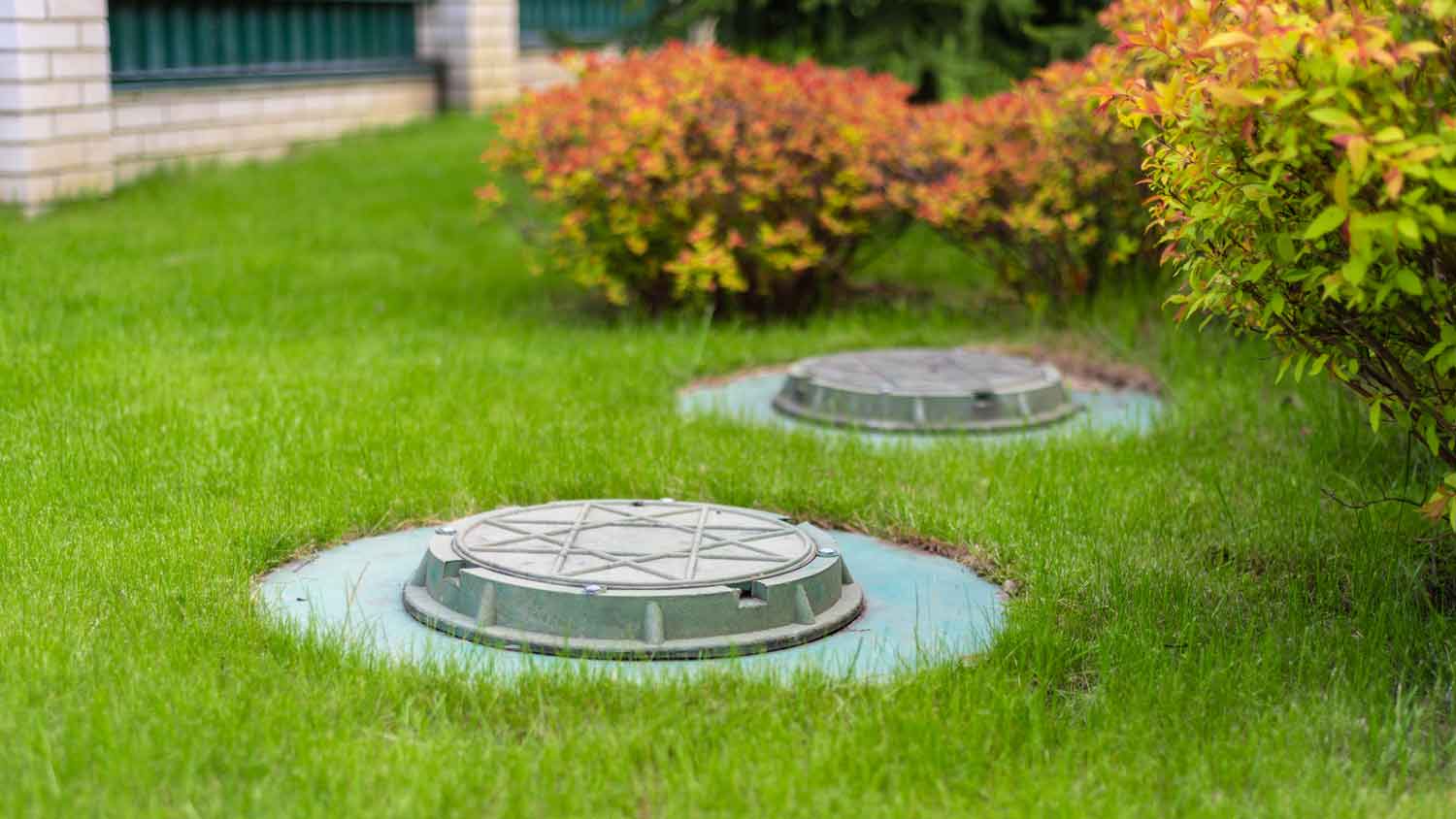
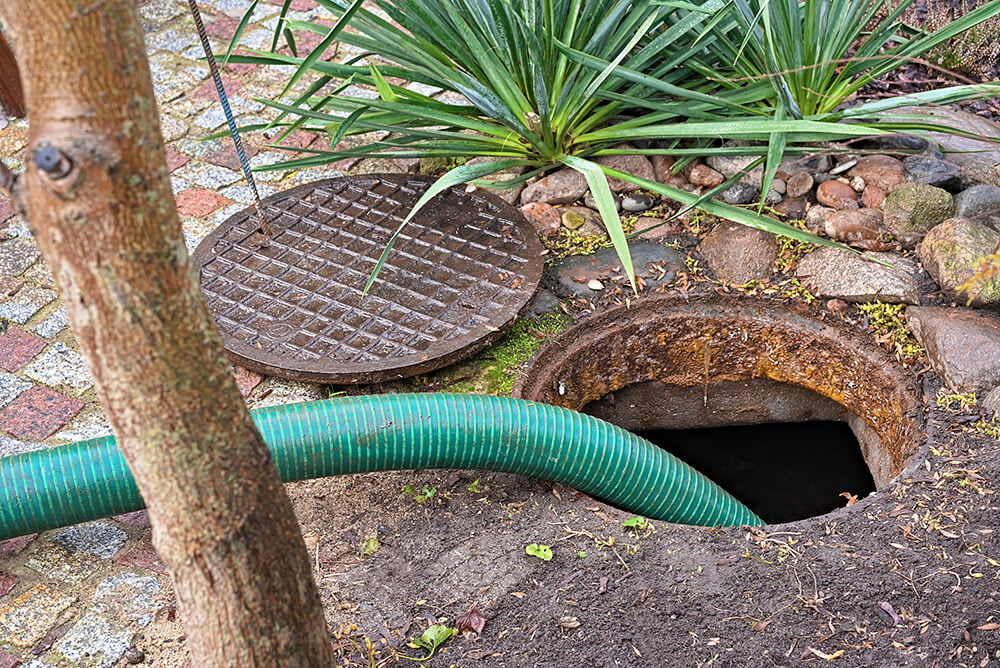
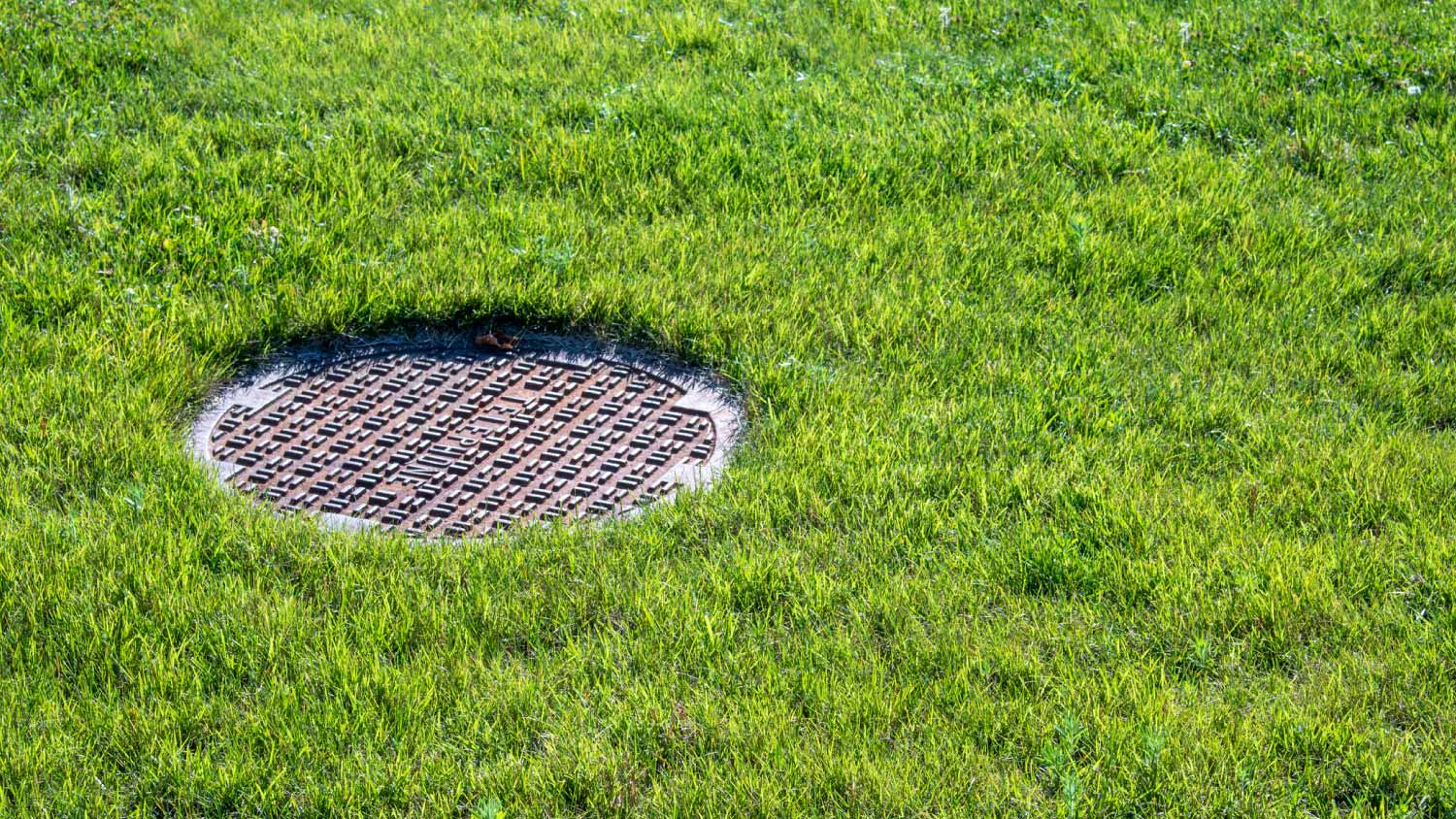
Septic tank lids may or may not be buried in a yard. Most lids are buried at least 4 inches deep unless you have an aerobic septic system. Aerobic septic systems need frequent cleanings, about every four months, so it’s best to leave these lids aboveground for easier access. For buried lids, homeowners can use risers that make it easier to locate and access a buried septic tank lid.

There are a couple of ways you can determine the depth of your well. One method is to use a device called a well sounder. This tool has a long measuring tape containing a sensor to alert you once the end reaches the water. 

Or you can DIY it by using a long tape measure with a half-filled bottle of water attached to it. Lower the tape measure into your well. Once you feel tension on the tape, you’ll know the bottle has reached your static water level. This will give you an approximate idea of your well’s depth.

The Sergeant Bluff, IA homeowners’ guide to septic tank services

From average costs to expert advice, get all the answers you need to get your job done.